
Elevating Corporate Events with Authentic Hip-Hop & Rap: DJ Graffiti’s Guide to Unforgettable Entertainment
As a seasoned professional in the entertainment industry, I’ve seen firsthand how corporate hip-hop entertainment can inject unparalleled energy, cultural relevance, and audience engagement into business settings. My approach, honed over years of diverse performances, focuses on delivering authentic live rap and DJ experiences that seamlessly support brand messaging and event objectives. This guide, drawing from the DJ Graffiti Knowledge Base, explains what “hip-hop entertainment for corporate audiences” truly means, why authenticity, meticulous music selection, and expert energy management are paramount, and how corporate planners can reliably book rap performers, DJs, and hybrid shows that perfectly fit networking receptions, galas, product launches, and brand activations. You’ll learn a streamlined booking workflow, key pricing factors, how to match show formats to event goals, and best practices for preserving cultural integrity while maximizing return on engagement. We’ll also cover virtual and hybrid performance trends, measurable engagement outcomes, and practical sourcing channels, empowering talent buyers and event producers to make informed choices. Throughout, I’ll weave in actionable advice and checklists, ensuring your next business event is not just entertaining, but truly memorable.
Mastering the Booking Process for Corporate Event Rap Artists and DJs
Booking a rap artist or hip-hop act for a corporate event, from my perspective as a performer, requires a clear, collaborative workflow. It’s about aligning event objectives with the artist’s unique fit, technical needs, and contract terms to ensure reliable delivery and cultural authenticity. A concise booking process reduces risk by defining the event goals, audience profile, budget range, and success metrics upfront. Then, it moves through research, shortlisting, negotiation, contract finalization, and production planning. Good booking practice, from an artist’s standpoint, also prioritizes clear communication regarding rider and technical checks—sound/lighting setup, set length, and backup plans—and verifies references and past corporate experience to confirm professionalism and stage readiness. The practical steps below are designed to answer the common question of “how do I hire a rap artist for a corporate event” and provide a replicable timeline for both internal owners and external vendors. Following these procedural steps, a short comparison clarifies typical task ownership and estimated timeframes to keep procurement and production aligned.
What follows is a step-by-step workflow I recommend for structuring your procurement and production process:
- Define Event Goals & Budget: Clearly identify audience size, desired tone, and key performance indicators (KPIs) before talent research begins. This helps us, as artists, understand your vision.
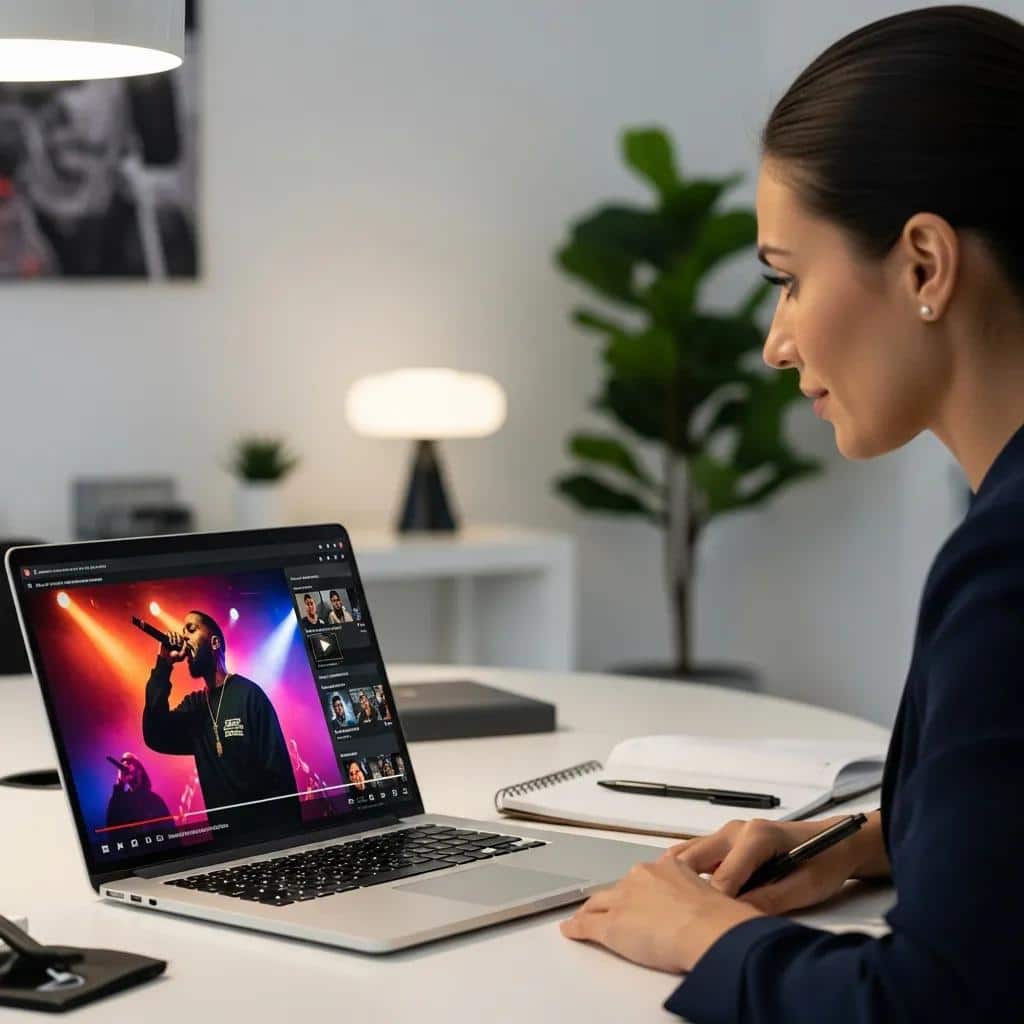
- Shortlist & Vet Artists: Review bios, video samples, set lists, and references with keen attention to corporate suitability. Look for artists who demonstrate versatility and a clean, professional presentation.
- Confirm Logistics & Rider Needs: Technical rider, travel, accommodation, exclusivity, and insurance must be clarified early. A clear rider ensures we can deliver the best possible show.
- Negotiate Terms & Finalize Contract: Establish payment schedule, cancellation terms, and deliverables in writing. Transparency here is key for a smooth partnership.
- Finalize Production Plan & Run Sheet: Coordinate AV, stage management, and the day-of timeline with the artist and crew. This ensures seamless execution and allows us to focus on the performance.
These steps create a clear chain of responsibility and reduce surprises on show day. The next table maps typical timeline items, owners, and checklist notes to make handoffs explicit, ensuring everyone is on the same page.
Booking Timeline & Responsibilities: A Collaborative View
This table clarifies who does what and when, reducing ambiguity during procurement. Clear ownership during booking feeds directly into production planning and avoids last-minute technical gaps on event day, allowing the artist to shine.
My Steps to Hiring Professional Rap Performers for Corporate Events
Hiring a professional rap performer, from my experience, starts with meticulous planning and moves methodically to contracting and production, ensuring the artist’s show aligns with corporate aims and operational reality. First, define audience demographics, event tone, and measurable objectives so artist selection is driven by fit rather than solely by name recognition. Next, research and shortlist artists using video samples, recorded sets, and verified references, scoring candidates on audience fit, lyrical content appropriateness, and stage presence. As DJ Graffiti, I emphasize versatility and the ability to adapt my performance to diverse corporate environments, including my extensive experience with various musical genres beyond hip-hop. Contracts should explicitly cover payment schedule, cancellation terms, intellectual property/licensing for music playback, recording permissions, and rider obligations such as sound/lighting and hospitality. Finally, integrate the artist into the production timeline with technical rehearsals, MC coordination for brand messaging, and contingency planning for travel or technical failure to ensure the event runs smoothly.
A practical checklist helps teams stay on track:
- Planning: Audience brief, budget band, KPIs, brand messages for the artist.
- Vetting: Video review, reference checks, and sample set approvals; *crucially, flag explicit content and discuss clean edits with the artist.*
- Contracting: Deposit, payment milestones, IP and recording terms, cancellation policy, *and a clear, mutually agreed-upon rider.*
- Production: Rider confirmation, sound check, run sheet, and backup plan.
These checklist items ensure the selection and onboarding process preserves cultural authenticity while protecting brand needs. The next subsection will examine pricing drivers that commonly influence budget decisions, offering insights from a performer’s perspective.
Factors Affecting Pricing for Hip-Hop Entertainment at Corporate Parties
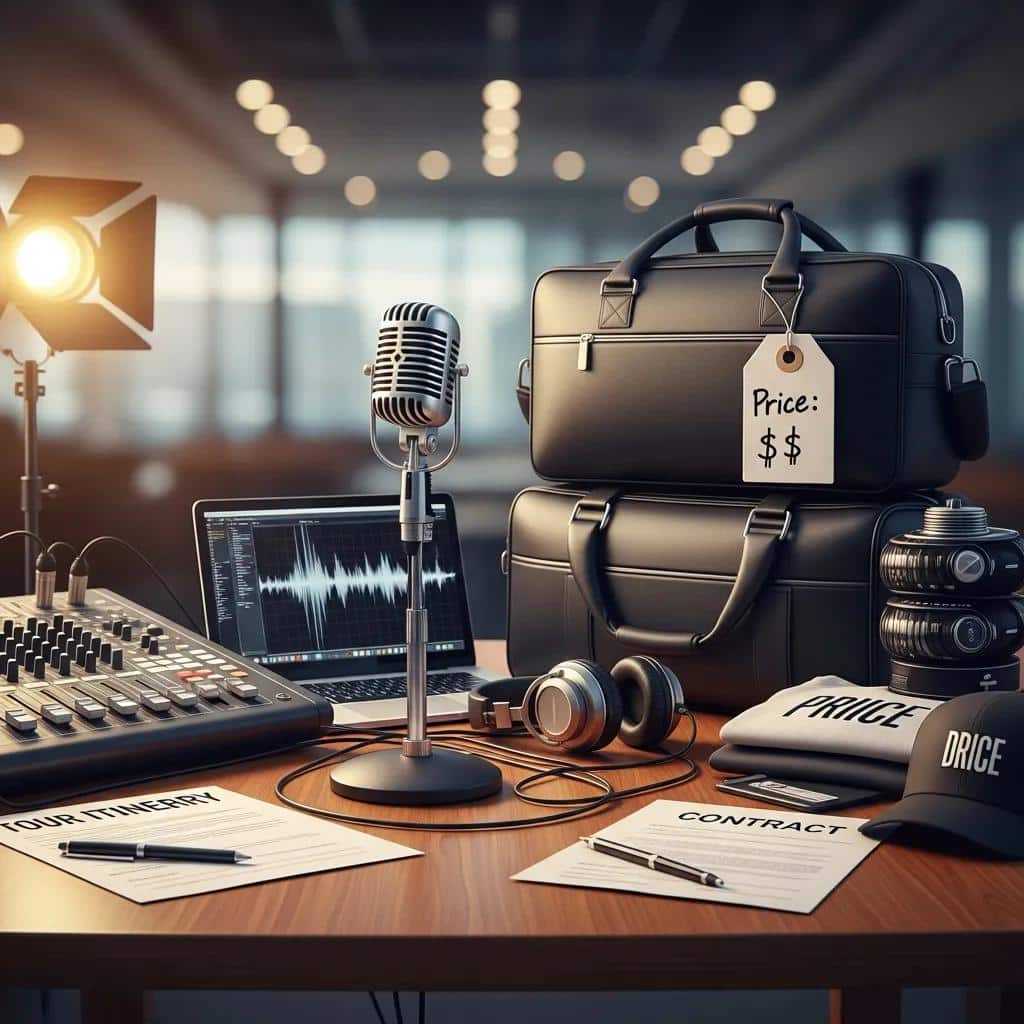
Pricing for hip-hop entertainment reflects several interlocking factors that buyers should assess when building event budgets. From my side, the fee encompasses not just the performance itself, but also extensive preparation, equipment maintenance, travel time, and the expertise gained from years of diverse corporate and private events. Primary drivers include artist notoriety and demand, which can create a wide variance between local professionals like myself and nationally recognized acts; production and technical requirements such as sound, lighting, and crew add fixed costs; travel, accommodation, and per diems increase fees for non-local talent; and performance length, exclusivity clauses, and licensing for recorded music further influence the final price. Understanding these drivers allows planners to set realistic budgets: for example, a local hip-hop DJ set with minimal production needs will land at the lower end of fee ranges, while a headline rap performer with a full band and branded activation elements will require substantially higher investment. Below is a short bulleted list of the top pricing drivers and a simple table that illustrates examples for planning.
Key pricing drivers include:
- Artist notoriety and prior corporate demand: Higher demand and a proven track record in corporate settings increase fees.
- Production complexity: Additional crew, specialized lighting, and custom staging raise costs significantly.
- Travel and logistics: Long-distance travel, accommodation, and per diems add measurable expense.
- Performance length & exclusivity: Longer sets, multiple appearances, and exclusivity windows increase the artist’s commitment and fee.
- Licensing and intellectual property: Rights for music playback and recording permissions can influence legal costs.
Sample Cost-Range Comparison (Illustrative Frameworks):
Understanding these pricing components enables procurement to allocate contingency funds and negotiate package trade-offs. The next section will focus on matching show formats to specific corporate event types, drawing on my experience in diverse settings.
Tailoring Hip-Hop Live Shows for Corporate Parties and Brand Activations
Choosing the right hip-hop show format, from my perspective, depends entirely on event objectives—whether the goal is ambient energy during networking, a headline moment at a gala, or an interactive brand activation that drives social content and lead capture. Common formats include a hip-hop DJ set, a live rap performance, an MC-hosted corporate show, and a brand-activation performance; each has different production needs and audience expectations. For networking receptions, I often recommend shorter, DJ-led sets or MC-hosted playlists that maintain conversational levels while reinforcing brand cues. My experience with diverse musical genres allows me to seamlessly blend hip-hop with other styles, ensuring broad appeal and sophisticated energy management. Awards galas may call for a curated live rap performance or a hybrid DJ + live rapper set that elevates the main-stage moment. Brand activations often benefit from short, high-impact sets or pop-up performances paired with branded intros, meet-and-greets, or integrated on-site content capture to amplify social reach.
Below is a table comparing common show types with best-use cases, typical run-times, and production needs to help you select the right format.
Show Formats & Event Fit: A Professional’s Perspective
This comparison helps event teams balance creative ambition with logistical capacity. The next subsection explains how DJs and live rap acts, particularly those with diverse genre experience, enhance specific moments within an event.
How DJ Services and Live Rap Performances Enhance Corporate Event Atmosphere
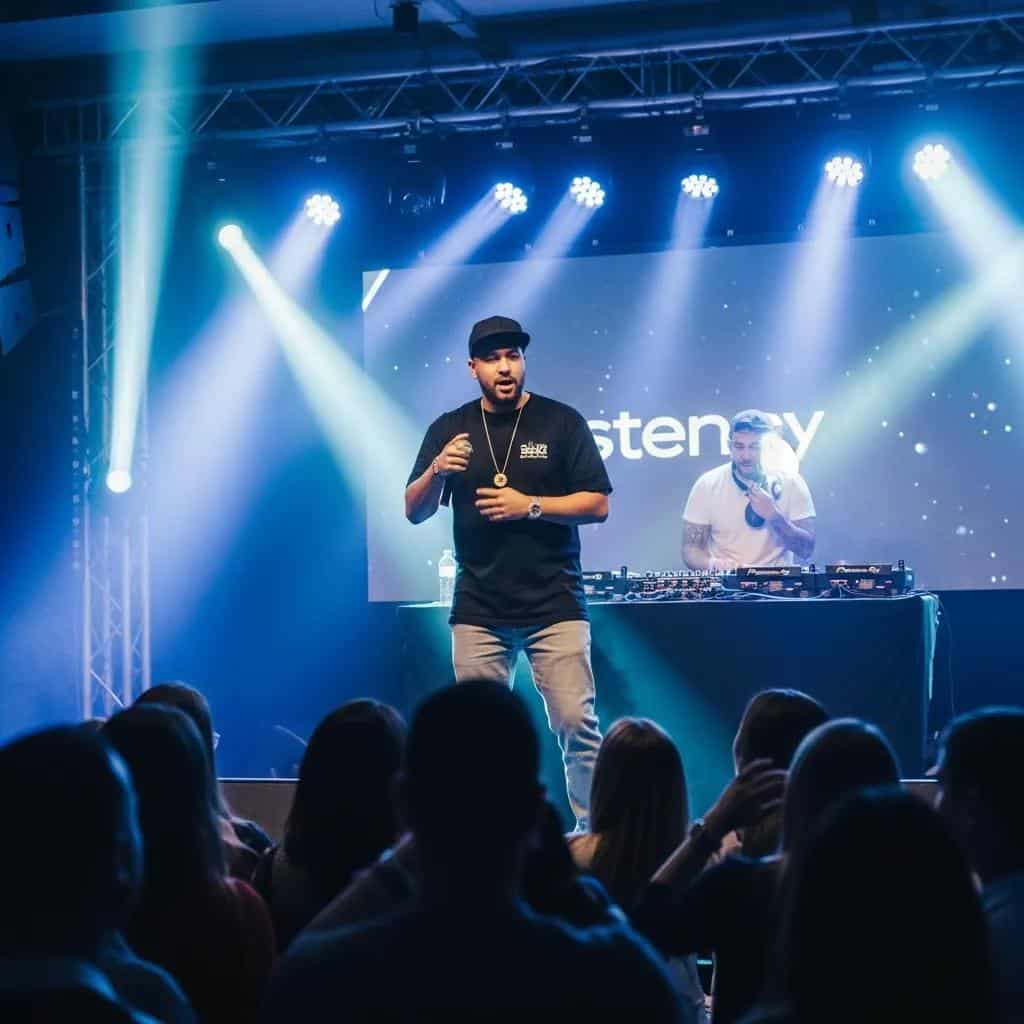
DJs and live rap performances provide both experiential and logistical benefits that influence pacing, audience energy, and brand perception across event phases. As DJ Graffiti, I excel at mood-setting and energy control—curated playlists and tempo changes guide transitions between networking, presentations, and social hours. My deep experience across diverse musical genres allows me to seamlessly blend hip-hop with pop, R&B, rock, and more, ensuring the atmosphere is always perfectly tailored and never alienating. Live rap performances, on the other hand, deliver headline moments that increase time-on-floor, social sharing, and memorability. An MC-hosted set can bridge speakers and entertainment, offering scripted brand mentions or sponsor intros while preserving flow. Technical pointers such as recommended set lengths, clean edit options, and seamless audio transitions are crucial for production teams to plan reliable handoffs. Moreover, aligning artist repertoire and presentation with brand values reduces reputational risk and supports cohesive messaging during key moments.
Practical technical pointers from my experience include:
- Use short, expertly curated DJ sets (30–60 minutes) to maintain energy without overpowering conversations, especially during networking.
- Plan a 20–30 minute headline rap set for main-stage moments to maximize impact and create a focal point.
- Coordinate MC cues and stage transitions meticulously to protect speaker timing and sponsor messages, ensuring a professional flow.
These guidelines show how show type, combined with expert music selection and energy management, influences attendee behavior and leads into the next subsection about customizable packages I often offer for different corporate scenarios.
Customizable Entertainment Packages for Business Events
Corporate entertainment packages are typically modular, combining performance length, number of artists, DJ services, MC-hosting, and AV support so clients can trade features for budget and objectives. As a professional provider, I offer common package templates that can be tailored. These often include a DJ-only package for receptions that contains a DJ, basic PA, and 60–90 minutes of expertly curated music; a DJ + live rapper package that pairs a DJ with a 20–30 minute live rap set and tech rider; and a headliner package that includes a headline performer, full production, and backstage hospitality. Add-ons often include meet-and-greets, branded intros, custom music cues for product reveals, and social media content capture to amplify the activation. Choosing which package to recommend should be driven by the event’s KPIs—awareness, lead generation, employee engagement—so producers can prioritize creative elements that deliver measurable outcomes.
Package Comparison Table (DJ Graffiti’s Offerings):
These package templates make it easier to align creative scopes to budget envelopes. As a professional provider specializing in hip-hop entertainment, I can assemble these bundles and coordinate AV, artist riders, and run sheets to simplify planning, ensuring a turnkey solution for your event.
The Indispensable Role of Authentic Hip-Hop Culture in Corporate Entertainment
Authentic representation of hip-hop culture in corporate entertainment matters deeply because it preserves creative integrity, builds trust with audiences familiar with hip-hop’s norms, and mitigates reputational risks associated with superficial or inauthentic presentations. From my perspective, authenticity works by ensuring artists have a say in creative direction, content is vetted for brand appropriateness without erasing cultural voice, and operational practices respect artist riders and creative controls. When authenticity is prioritized, audiences respond with higher engagement, more organic social sharing, and deeper emotional resonance, which in turn supports event KPIs like attendee satisfaction and shareable content. The practical result is that culturally-aware programming yields stronger audience reactions and longer-lasting brand impressions than tokenistic implementations.
The next subsection defines cultural integrity in practice and offers steps to preserve it during corporate events.
How Hip-Hop Entertainment Reflects Cultural Integrity in Business Settings
Cultural integrity in corporate hip-hop entertainment means centering artist input, vetting lyrical content collaboratively, and avoiding practices that strip performance of its context or meaning. Practical guidelines include inviting artists into creative briefings, jointly reviewing content where necessary for brand alignment, and using cultural advisors when integrations risk misrepresentation. As an artist, I appreciate contract language that protects both parties by specifying content boundaries, approval processes, and crediting practices that recognize artist authorship and cultural ownership. These steps prevent dissonance between brand messaging and artistic authenticity while enabling artists to present work that resonates with their communities and the corporate audience.
Follow-through actions typically include:
- Include artists in briefing sessions to align themes and boundaries, fostering a collaborative environment.
- Draft content-approval clauses that respect artistic integrity and brand needs, ensuring mutual understanding.
- Use cultural liaisons for activations in sensitive markets, demonstrating respect and understanding.
These measures maintain authenticity and naturally lead into metrics for measuring the impact of hip-hop performances on audience engagement.
The Impact of Hip-Hop Performances on Corporate Audience Engagement
Hip-hop performances, when expertly delivered, influence quantifiable and qualitative engagement metrics—energy on the floor, social shares, session attendance rates, and lead capture efficiency—by creating memorable moments that encourage attendees to stay, interact, and broadcast the event. Measurable KPIs to track include social impressions and shares during/after the set, time-on-floor during performance windows, audience sentiment via post-event surveys, and any uptick in demo requests or booth visits tied to activation timings. From my experience, the format significantly influences outcomes: short pop-up sets drive social moments and foot-traffic spikes, while headliner performances increase dwell time and post-event recall. Case examples often show that when performance format aligns to event objectives (for instance, a headline act at a product reveal), organizers see higher on-site metrics and improved social amplification.
Suggested KPIs to monitor:
- Social shares and impressions during the performance window.
- Time-on-floor or session attendance percentage changes.
- Post-event sentiment and NPS related to entertainment.
Tracking these metrics helps validate investment and informs iterative improvements for future events, ensuring continuous success.
Virtual and Hybrid Hip-Hop Performances: Shaping Corporate Events
Virtual and hybrid hip-hop performances expand reach and introduce new engagement mechanics—such as interactive polling, multi-camera production, and analytics capture—while presenting unique technical challenges like latency and synchronization. As a performer who has adapted to these new formats, I can attest that virtual shows enable global participation, reduce travel costs, and provide measurable audience data through platform analytics. However, they require higher standards for stream quality, audio sync, and interactivity design to feel authentic and engaging. Hybrid events blend live performers with remote audiences or remote performers with live crowds, demanding careful AV routing, redundancy, and rehearsal to maintain synchronicity. Selecting platforms with low-latency streaming, multi-view options, and integrated engagement tools (chat, Q&A, polls) increases interactivity and ROI.
The next section outlines the specific benefits of virtual formats for business audiences and practical implementation tips.
Benefits of Virtual Hip-Hop Concerts for Business Audiences
Virtual hip-hop concerts for corporate audiences deliver strategic benefits: extended reach to remote stakeholders, cost efficiencies from reduced travel, and rich analytics that enable post-event measurement of engagement and conversion. From a production standpoint, a well-executed virtual show can integrate branded overlays, clickable CTAs, and segmented breakout sessions to foster networking and lead capture. Practical tips from my experience include prioritizing stable upload bandwidth, multi-camera capture to preserve performance dynamics, and rehearsal cycles that include latency testing with the artist to avoid lip-sync or timing issues. These elements make virtual hip-hop suitable for global town halls, virtual product launches, and internal engagement where inclusivity and data collection are priorities.
Benefits summary as a short list:
- Extended geographic reach and inclusivity, connecting diverse audiences.
- Lower travel/logistics costs and easier scheduling, streamlining event planning.
- Actionable analytics for measuring engagement and follow-up, providing valuable insights.
These benefits show why hybrid production considerations are essential when combining live and virtual components, which the following subsection addresses.
Incorporating Live and Virtual Hip-Hop Entertainment in Hybrid Events
Hybrid events succeed when live and virtual feeds are synchronized, AV redundancy is planned, and interaction tactics bridge the two audiences so remote participants feel included. Techniques I’ve found effective include sending low-latency audio feeds to the streaming encoder, staging a camera plan that alternates between audience and artist shots, and using synchronized lighting cues tied to broadcast triggers. Interaction tactics like real-time polls, chat-driven shout-outs, and pre-arranged Q&A slots enable remote attendees to shape the live experience. Crucially, technical rehearsals with both on-site and remote participants reduce the risk of latency or feed failure. Redundancy—backup encoders, alternate internet connections, and a secondary audio path—protects the performance against single-point failures, which is critical for high-stakes corporate broadcasts.
Practical production checklist:
- Conduct end-to-end rehearsals including remote feed testing with the artist and technical team.
- Implement AV redundancy for audio and streaming encoders to prevent disruptions.
- Design interactive elements for remote audience participation, making them feel part of the live energy.
Planning these elements early preserves the live energy while enabling remote attendees to engage meaningfully. The next section explores what clients report after hiring hip-hop artists, offering insights into the value we bring.
Client Perspectives: The Value of Hiring Professional Hip-Hop Artists
Corporate clients commonly report that professional hip-hop artists deliver strong audience engagement, memorable brand moments, and high social amplification when bookings are executed with clear planning and cultural sensitivity. Common themes in client feedback highlight professionalism, the value of clean rider execution, and the importance of artist-brand alignment to avoid content mismatch. Organizations also emphasize measurable outcomes—higher social metrics, increased time-on-floor, and improved attendee sentiment—when entertainment packages are selected to match event objectives. When requesting references, procurement should ask for event context, deliverables, and KPIs to validate an artist or agency’s corporate experience, ensuring they understand the specific value delivered.
The next subsections summarize anonymized case examples and discuss how to interpret testimonials when evaluating talent.
Case Studies: Showcasing Successful Corporate Hip-Hop Entertainment
Successful case summaries typically follow a challenge-solution-results format: a company wanted to boost opening ceremony energy (challenge), a curated hybrid DJ + live rap set with integrated brand call-to-action was executed (solution), and social shares and time-on-floor increased measurably (result). Another example involves a product activation where short, high-impact pop-up rap sets were timed to product reveals, resulting in spikes in lead capture and social engagement. These structured case entries demonstrate the causal relationship between show format and KPIs and help planners choose formats that match their objectives, highlighting the tangible benefits of professional hip-hop entertainment.
A simple template for examining case studies:
- Challenge: Objective and target audience.
- Solution: Format, production, and artist role, *including specific music selection or energy management strategies.*
- Result: Measured outcomes and audience response, *quantifying the impact.*
Reviewing these elements helps validate a provider’s corporate experience and sets expectations for deliverables and measurement, ensuring you choose a partner who understands your goals.
Interpreting Testimonials: Satisfaction with Rap Performers and DJs
Strong testimonials typically reference specific outcomes—timeliness, adherence to rider, measurable engagement metrics, and quality of creative collaboration—rather than generic praise. Procurement should validate references by asking for event dates and KPIs. When evaluating testimonials, look for details about technical execution, responsiveness during planning, adherence to contracted deliverables, and examples of how the artist integrated brand messaging. As DJ Graffiti, I pride myself on these specific points. A short checklist for validating testimonials includes requesting contactable references, reviewing performance footage from similar event types, and confirming that any promised analytics or deliverables were produced.
Checklist for testimonial validation:
- Ask for event context (date, audience, objective) to understand the scope.
- Request performance footage and analytics tied to outcomes, verifying claims.
- Contact references to confirm reliability and production quality, ensuring peace of mind.
These validation steps reduce procurement risk and prepare teams to make evidence-based hiring decisions, which leads into practical sourcing channels covered next.
Sourcing Top Hip-Hop Artists for Corporate Events: A Professional’s Guide
Top hip-hop artists for corporate bookings can be found through specialized agencies, direct artist management, talent marketplaces, and networks of event producers and promoters; each sourcing channel presents trade-offs in fees, control, and vetting. From my perspective, specialized agencies often provide curated rosters and production support but may charge higher service fees; direct booking through artist management can reduce intermediaries but requires more vetting work by the buyer; talent marketplaces offer searchable catalogs and contract templates but vary in quality and verification standards. Key evaluation criteria include reviewing video samples of corporate sets, confirming rider compatibility, and asking for references from similar event types. Below is a neutral comparison table to help decide which channel fits your procurement model.
Sourcing Channels for Corporate Hip-Hop Talent: Pros & Cons
This comparison helps procurement choose a channel that balances control, convenience, and cost. After selecting a channel, follow the evaluation checklist below and take clear next steps to request quotes or rosters.
Leading Agencies and Platforms for Corporate Hip-Hop Bookings
When assessing agencies and platforms, prioritize those that demonstrate experience with corporate deliverables, offer clear rider and technical support, and provide references and sample corporate sets. Best-use cases vary: agencies are ideal when teams need turnkey production and artist curation, direct management works well for bespoke creative partnerships, and marketplaces are useful for rapid sourcing of local talent. Red flags include lack of corporate references, no sample corporate-friendly sets, and ambiguous rider terms. Always request demos, technical riders, and a breakdown of fees before committing so the procurement team can compare apples-to-apples. As DJ Graffiti, I ensure all these elements are transparent and readily available.
Sourcing tips include:
- Request corporate-specific performance samples that demonstrate versatility and appropriateness.
- Ask for full technical riders and stage plots upfront to assess compatibility.
- Confirm cancellation and contingency clauses to protect your investment.
These steps ensure that the chosen channel can meet the event’s production and contractual needs. The final subsection outlines how to choose between shortlisted artists, drawing on my professional insights.
Evaluating and Choosing the Right Rap Performer or DJ for Your Event
Choosing the right rap performer or DJ requires a scoring rubric that balances audience fit, production fit, professionalism, and cost so decisions are defensible and repeatable. Key evaluation criteria include repertoire and lyrical appropriateness, demonstrable corporate experience, clarity of technical rider, references that confirm reliability, and available video samples of similar event types. As DJ Graffiti, I emphasize my ability to adapt my diverse musical genre experience to any corporate audience, ensuring a perfect fit. A simple scoring rubric might allocate points across fit (30%), production needs (25%), professionalism/references (25%), and cost/value (20%). Use the rubric to shortlist candidates, run technical checks, and negotiate deliverables such as set length, approved content, and social media usage rights.
Evaluation Checklist and Sample Rubric:
- Audience Fit: Repertoire, tone, and *diverse genre capability* match (score 0–30).
- Production Compatibility: Rider and AV requirements, *ease of integration* (score 0–25).
- Professionalism: References, punctuality, contract clarity, *communication skills* (score 0–25).
- Cost/Value: Fee vs deliverables, *long-term partnership potential* (score 0–20).
After scoring candidates, request final quotes and a signed contract with explicit deliverables. As a practical next step, talent buyers can request an artist roster or a formal quote from agencies and providers that specialize in hip-hop corporate entertainment; for example, professional providers like myself offer turnkey DJ and live-rap packages with production coordination and brand-activation experience to simplify procurement.
Request a Quote from DJ Graffiti
Ready to Elevate Your Next Corporate Event?
Discover how DJ Graffiti’s expertise in hip-hop, diverse genres, and energy management can create an unforgettable experience for your audience.
Explore our complete guide to corporate event entertainment for more insights into energizing your audience with diverse options.