


Webinar DJ and Emcee Services: How DJ Graffiti Transforms Educational Webinars into Engaging Experiences
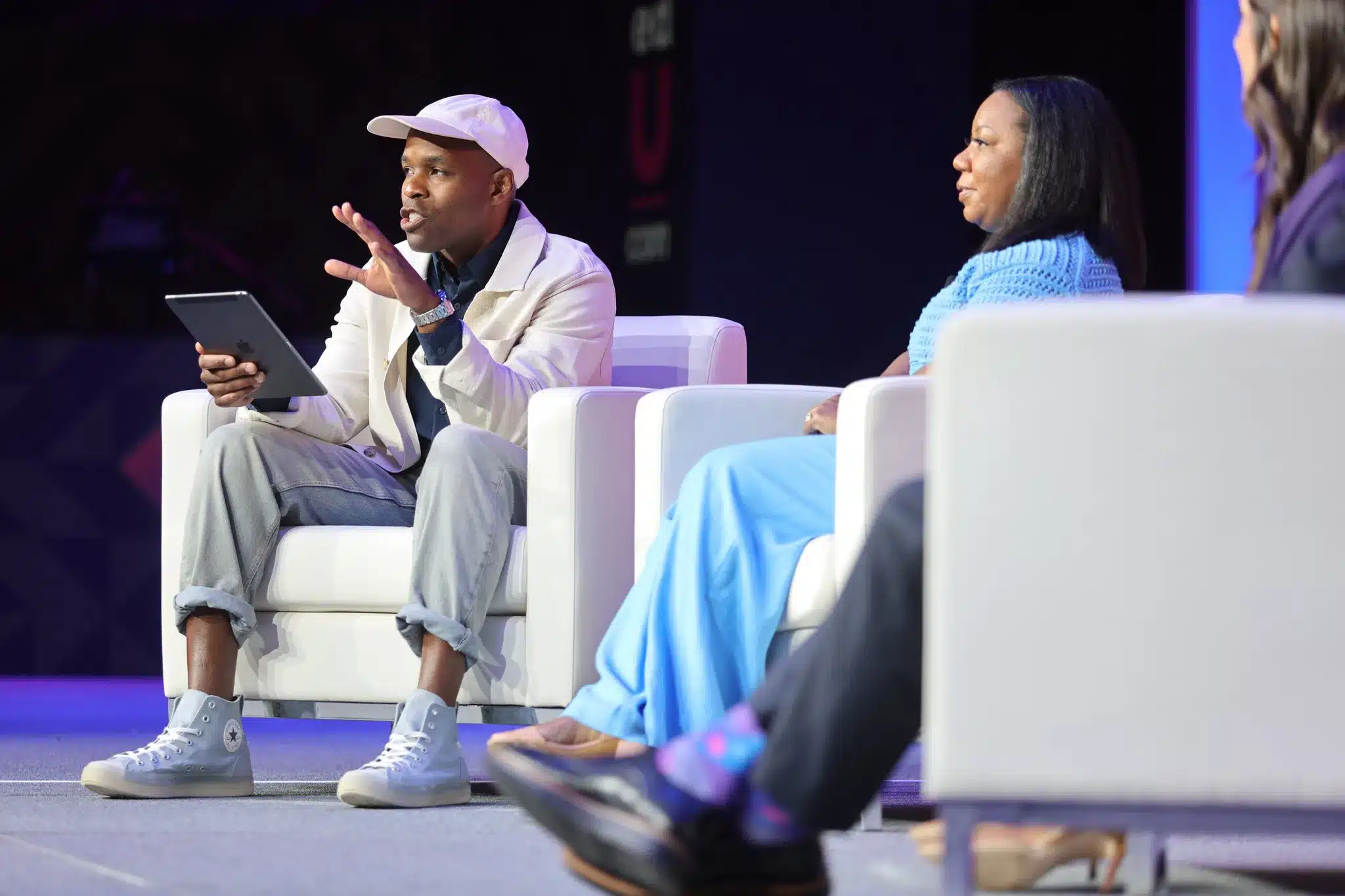
Educational webinars frequently struggle with short attention spans, uneven pacing, and Zoom fatigue; **DJ Graffiti’s Webinar DJ and Emcee Services** combine music curation, hosting craft, and technical coordination to solve those problems and keep learners engaged. This article explains what **DJ Graffiti’s** webinar DJ and emcee services are, how they influence attention and retention, and why they belong in the production plan for corporate training and educational presentations. You will learn practical engagement strategies—polls, live Q&A, on-brand audio cues, and pacing techniques—plus a clear look at how a professional workflow moves from consultation to live execution. The sections that follow cover the core benefits of hiring **DJ Graffiti** as a professional webinar DJ and emcee, a step-by-step breakdown of a typical service process, proven engagement tactics you can implement immediately, real case studies that illustrate measurable outcomes, common operational questions event planners ask, and straightforward steps to book **DJ Graffiti** when you’re ready to add a professional host and DJ to your webinar. Throughout, this guide integrates keyword-focused tactics for webinar engagement and practical examples you can apply to educational virtual events.
The phenomenon of ‘webinar fatigue’ is a recognized challenge in virtual learning environments, underscoring the need for dynamic engagement strategies.
Understanding Webinar Fatigue: Causes and Impact on Online Engagement
Webinar fatigue is a new phenomenon that has emerged due to the COVID-19 lockdown where there is an increased use of online/web meetings or other modalities for work, academics, and learning new skills in leisure time. This change has led to increased environmental demands associated with near-constant elevated levels of physiological activation, heightened attention, and increased pressure to respond and perform remotely with higher efficiency, subjective sense of restlessness, anxiety, and inability to relax.
Webinar fatigue: fallout of COVID-19, S Sunil, 2021
Why Choose DJ Graffiti’s Professional Webinar DJ and Emcee Services?
**DJ Graffiti’s** professional webinar DJ and emcee services are a specialized form of virtual event hosting that combines music curation, live moderation, and technical flow management to increase attention, reduce drop-off, and create memorable transitions. The mechanism is simple: audio and human-led cues act as anchors for attention, while a trained emcee guides pacing and audience participation to convert passive viewers into active learners. Measurable benefits include higher average watch time, improved Q&A participation, and smoother speaker handoffs that reduce downtime and technical hiccups. Recent industry observations show that interactive elements and dynamic moderation correlate with better retention in virtual learning environments.
Indeed, research consistently highlights the importance of maximizing webinar efficacy to foster online learning and community engagement.
Maximizing Webinar Efficacy for Online Learning & Community Engagement
This study paper investigates the significant factors contribute to webinar series play in promoting the growth and participation of communities in the modern era of digital technology. As online learning and virtual communities continue to grow in popularity, it is becoming increasingly important for organization that want to develop and sustain healthy communities to have a solid grasp of how to maximize the efficacy of webinars. The purpose of this study is to investigate key factorsthat contribute to the success of English webinar series under community development activities.
TRANSFORMING COMMUNITY GROWTH BY ENHANCING COMMUNITY DEVELOPMENT WEBINAR SERIES EFFECTIVENESS: A CASE STUDY, JY LUKE, 2024
**DJ Graffiti’s** webinar DJ services typically bundle music curation, transition tracks, and cueing logic, while emcee services focus on moderation, narrative framing, and audience prompts. These components work together to support content absorption and learner engagement, and they integrate naturally with polling tools and platform producer workflows. To illustrate the practical components of these services, the table below compares core service components and the outcomes they drive.
Different webinar service components map to distinct engagement outcomes and operational roles.
This comparison shows how combining musical cues with moderation and interactive tools improves audience retention and perceived quality. The next section explores the unique contributions **DJ Graffiti** brings to virtual events in more detail.
What Unique Benefits Does DJ Graffiti Bring to Virtual Events as a Webinar DJ?
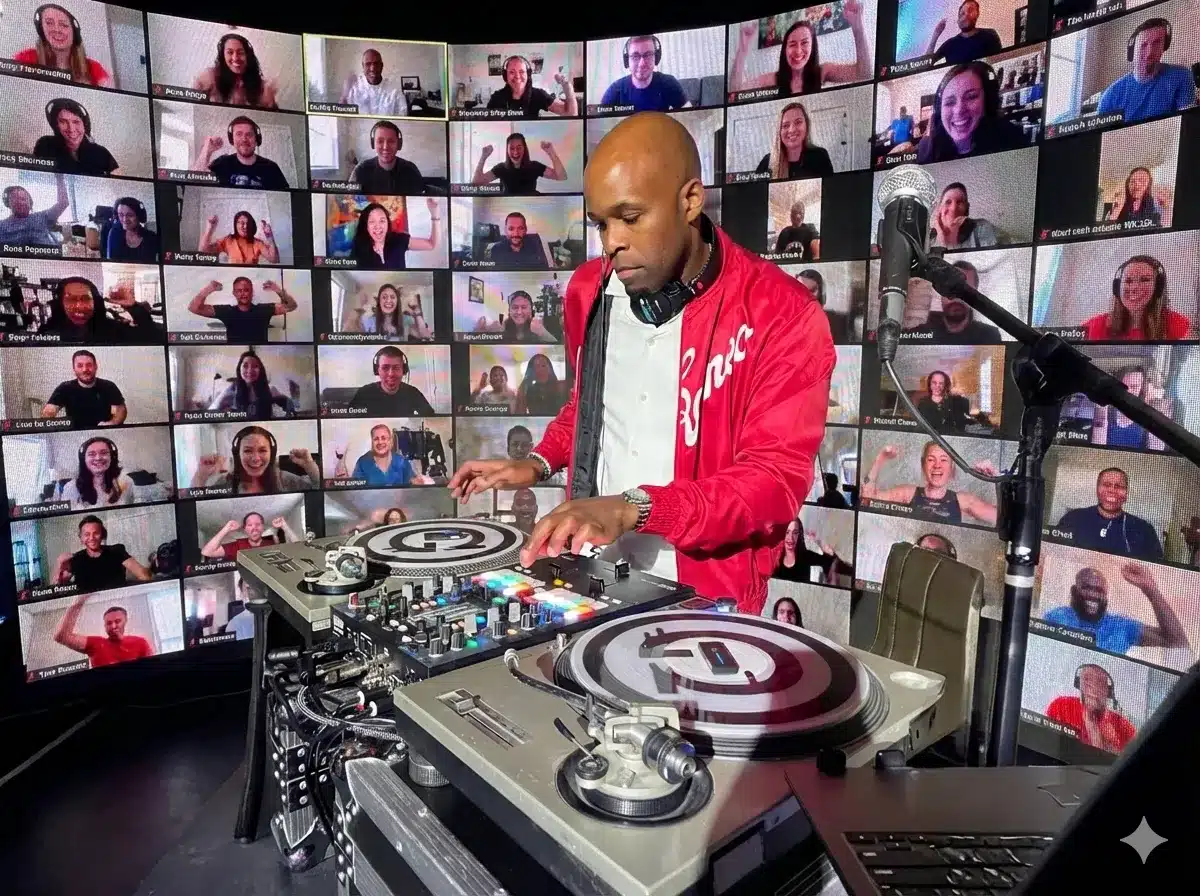
**DJ Graffiti** brings musical expertise and a timing-first mindset that turns audio into a tool for attention management, not mere background sound. **DJ Graffiti** selects and sequences music and audio cues that match brand tone and learning objectives, using tempo and timbral changes to reset focus between dense informational segments. This approach reduces cognitive overload by signaling micro-breaks and transitions, which helps learners refresh and return to content with renewed attention. **DJ Graffiti** is also technically fluent with virtual platforms, enabling clean audio routing and low-latency mixing so that cues arrive precisely when needed.
In practice, **DJ Graffiti** might use a short 8–12 second cue to introduce a new module or a subtle ambient bed under a poll to encourage participation without distracting from the question. This precise audio design improves comprehension and gives presenters a dependable rhythm for pacing. The paragraph that follows explains how the complementary role of **DJ Graffiti** as a professional emcee amplifies these benefits through active facilitation and storytelling.
How Does DJ Graffiti as a Professional Emcee Enhance Audience Engagement?
**DJ Graffiti** as a professional emcee enhances audience engagement by framing content, managing pace, and connecting speakers to the audience with intentional language and interactive prompts. **DJ Graffiti** uses narrative techniques—brief recaps, preview statements, and energizing segues—to reinforce learning objectives and reduce cognitive drift during long presentations. **DJ Graffiti** actively moderates chat and Q&A, triages audience questions, and creates moments for reflection that convert passive watching into participatory learning. **DJ Graffiti** also embodies brand voice, ensuring that tone and messaging remain consistent across speakers and segments.
When **DJ Graffiti** links a technical demo to a short poll or invites a specific audience subgroup to share a quick insight, participation rates tend to rise because the interaction is explicit and low-friction. This role dovetails with DJ cueing: while music marks structural changes, the emcee interprets and amplifies them verbally, guiding learners to the next action. The next major section lays out a reproducible process for how a professional workflow takes these elements from planning through live execution.
How Does DJ Graffiti’s Webinar Process Elevate Virtual Presentations?
DJ Graffiti’s webinar process is structured to align goals, integrate technical systems, and deliver live performance that supports learning outcomes; the workflow emphasizes a discovery phase, technical rehearsals, and scripted yet flexible live delivery. By coordinating playlist design with run-of-show documents and platform producers, this process reduces last-minute confusion and ensures audio cues and moderator prompts land exactly when intended. The result is a webinar that feels seamless, energetic, and on-brand, enhancing both perception and measurable engagement metrics.
This structured approach aligns with established best practices for virtual meetings, which emphasize comprehensive planning and execution phases.
Virtual Meeting Best Practices: Planning & Engagement Strategies
We identified four phases of the meeting cycle:Pre-planning considerations,Planning,Accomplishing conference goals through execution, gaugingResponse andEngaging the target audience for future cycles (PrePARE). Akin to the Plan, Do, Study, Act Cycle of quality improvement interventions, this document is meant to drive meaningful initial and subsequent interventions in the meetings of the medical and academic community.
Maximizing virtual meetings and conferences: a review of best practices, L Rubinger, 2020
This table clarifies how a planned workflow reduces risk and elevates the attendee experience. The following subsection breaks the process steps into concrete actions and a sample timeline.
What Are the Key Steps from Consultation to Execution?
The key steps from consultation to execution start with a discovery call that captures learning objectives, brand voice, platform constraints, and desired outcomes. From there, the team builds a custom playlist and a run-of-show document that maps music cues and emcee prompts to agenda timestamps; these deliverables include explicit timing for polls and Q&A windows. A technical rehearsal follows to test audio routing (mix-minus, broadcast vs internal audio), confirm presenter mics, and verify recording settings. The final stage is live execution, where the DJ and emcee follow the run-of-show, adapt to live timing variances, and implement contingency plans if speakers run long or technical issues arise.
A short example timeline might include a discovery call two weeks before the event, playlist and run-of-show delivered one week out, a full tech check three days before, and a full dress rehearsal the day prior. This sequencing ensures that music, moderation, and technology interlock predictably under pressure. Next we examine how visuals and technical integrations are handled to maintain brand integrity.
How Are On-Brand Visuals and Technical Integration Managed by DJ Graffiti?
**DJ Graffiti ensures** on-brand visuals and technical integration are managed through a collaborative asset checklist and coordination points with the client’s producer and AV team to ensure consistency and technical compatibility. Visual assets typically include lower-thirds, title slides for segments, branded intro/outro stings, and background screens that align with the webinar’s learning tone; asset formats are exchanged in agreed formats to prevent resolution or encoding issues. Technical integration addresses audio routing, whether music is mixed into the broadcast feed or provided as a separate track, and confirms recording and captioning settings.
Coordination checkpoints include asset deadlines, a pre-event platform walkthrough, and a final rehearsal where visuals are queued alongside audio cues; this reduces sync errors and keeps the visual language consistent with the audio and emcee style. The next H2 provides tactical engagement strategies that leverage these technical and creative controls to increase participation.
What Are Effective Strategies for Engaging Webinar Audiences?
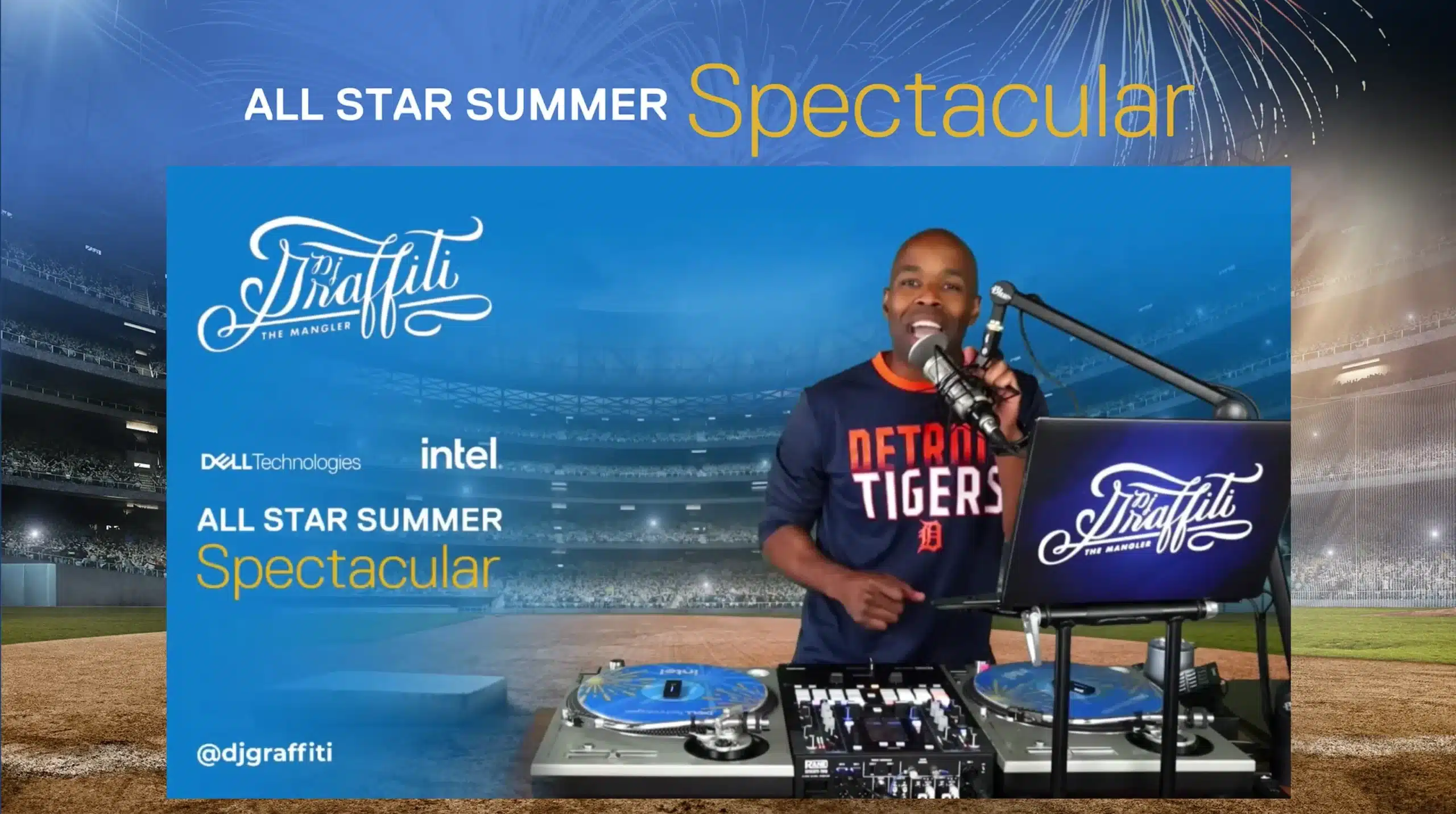
**DJ Graffiti employs** effective strategies for engaging webinar audiences, combining interaction design, purposeful audio, and structured pacing to transform passive viewers into active participants. The mechanism is to interleave content delivery with low-effort interaction points—polls, short Q&A, and micro-breaks—so attention is periodically reset and learners can self-assess comprehension. Strategic use of music and audio cues at predictable intervals signals transitions and helps attendees mentally prepare for new segments. These tactics improve immediate engagement and support better long-term retention by reinforcing key messages in multiple modalities.
The list below provides tactical, implementable approaches you can apply to educational webinars today.
- Seed polls every 10–20 minutes: Short polls check comprehension and re-anchor attention without interrupting flow.
- Use timed micro-breaks with audio cues: 10–20 second musical beds signal a cognitive pause and reduce fatigue.
- Structure Q&A with an emcee moderator: Pre-filter questions and surface themes for deeper discussion.
- Layer visual summaries after dense content: A 30–45 second recap slide plus a music cue reinforces key takeaways.
These strategies work together to maintain momentum and provide multiple ways for learners to engage. The next subsections dive deeper into poll design and music’s role in combating Zoom fatigue.
How Can Polls and Live Q&A Increase Interaction?
**DJ Graffiti leverages** polls and live Q&A to increase interaction by creating low-barrier opportunities for learners to respond and by providing immediate feedback to presenters about comprehension and interest areas. Effective poll timing is typically after 10–20 minutes of content or directly following a complex topic; use a mix of knowledge-check (true/false) and opinion (ranking) formats to both assess understanding and generate discussion. Q&A should be structured: the emcee triages incoming questions, groups similar items, and surfaces the top three for speaker response, using a combined chat + verbal approach to acknowledge contributors and extract high-value answers.
Best practices include preparing 2–3 seeded questions to warm the chat, scheduling dedicated Q&A windows, and using poll results as a launching pad for a short discussion led by the emcee. These methods convert passive consumption into active participation and create data points that inform future sessions. The next subsection explains how music specifically reduces Zoom fatigue and improves attention.
What Role Does Music Play in Combating Zoom Fatigue?
**DJ Graffiti’s expertly curated music** combats Zoom fatigue by providing predictable auditory structure that signals transitions and offers micro-restorative moments without requiring full disengagement. Short, intentional musical cues—ambient beds, upbeat stingers, or low-tempo interludes—help the brain mark segment boundaries and recover from dense cognitive load. Music choice matters: tonal, unobtrusive pieces support reflection, while rhythmic stings re-energize the group before interactive segments. Volume and frequency are calibrated to avoid distraction while still being noticeable enough to cue behavior.
Using music sparingly and intentionally prevents habituation and ensures cues remain meaningful; overuse dilutes the effect and risks distraction. When integrated with polls and emcee prompts, audio cues improve pacing and reduce cognitive fatigue, which increases time-on-task and information retention.
Which Case Studies Demonstrate Successful Webinar Transformations?
Case studies show how the combination of DJ-led audio and professional emceeing by **DJ Graffiti** translates into measurable improvements for large-scale and internal educational events. Real-world examples include a high-reach corporate broadcast for Amazon, a professional association conference session for PCMA, and executive-facing webinars for RingCentral and SAS where increased engagement and smooth production were central objectives. These instances highlight scalable tactics—consistent run-of-show, music-led transitions, and emcee-driven moderation—that produced stronger audience response and fewer technical disruptions.
This compact comparison shows how tailored audio and hosting interventions map to predictable benefits for different event types. The following subsections expand on the Amazon example and executive feedback from other clients.
How Did DJ Graffiti Engage Over 100,000 Amazon Employees?
For the Amazon 2022 broadcast to over 100,000 employees, the core challenge was keeping a massive, distributed audience attentive across multiple presenters and time zones. **DJ Graffiti’s** approach combined a carefully timed playlist, short musical cues to signal topic shifts, and a professional emcee to summarize and drive audience prompts. This orchestration minimized downtime between speakers and created predictable moments for interaction such as polls and live chat highlights. The outcome was a widely distributed event with sustained engagement signals during key segments, demonstrating that audio and moderation scale effectively when integrated into the run-of-show.
This case emphasizes that scaling engagement is less about louder production and more about predictable, human-led pacing—an insight that informs how to design large internal training events. The next subsection reviews executive feedback from other enterprise clients that supports these conclusions.
What Feedback Do Executives from RingCentral and SAS Provide?
Executives from RingCentral and SAS emphasized improved professionalism, clearer pacing, and higher-quality interactions when **DJ Graffiti’s** DJ and emcee services were used for executive-facing webinars. Their feedback highlighted that polished transitions and a dedicated moderator elevated perceived production value and helped surface more strategic questions during Q&A. These testimonials underscore the role of professional hosting in supporting executive communications and in converting webinar viewers into active contributors during live sessions.
Such executive perspectives reinforce that **DJ Graffiti’s** webinar DJ and emcee services are investments in communication clarity and audience engagement, especially for high-stakes internal or customer-facing presentations. The next H2 addresses common operational questions planners ask before hiring these services.
Common Questions About DJ Graffiti’s Webinar DJ and Emcee Services
Event planners commonly ask **DJ Graffiti** about technical integration, logistics, and how to evaluate a host or DJ for their specific platform and learning objectives. Clear answers—about audio routing, rehearsal requirements, and sample deliverables—help planners decide whether to include these roles and how to budget for them. For discoverability in search and for user clarity, consider marking concise Q&A pairs with Schema.org/FAQPage markup to help search engines surface these operational answers directly.
Below are targeted Q&A items optimized for planners’ most frequent concerns.
How Does DJ Graffiti Integrate with Virtual Event Technology?
**DJ Graffiti** integrates with virtual event technology through defined audio routing and rehearsal checkpoints that ensure timing and quality. Integration typically involves confirming broadcast vs internal audio, setting up mix-minus to prevent echo, verifying presenter microphone levels, and synchronizing cues with the producer’s visual queue system. Latency checks and a scripted contingency plan for recording or streaming issues are also standard, ensuring the team can adapt to platform-specific constraints.
Coordinating these points with the platform producer and IT reduces the risk of audio glitches and keeps the audience experience consistent. The next subsection offers a practical hiring checklist planners can use when evaluating talent.
What Should Event Planners Know Before Hiring DJ Graffiti as a Virtual Event Host?
Event planners should evaluate prospective hosts and DJs on three core criteria: demonstrable experience with virtual platforms, a sample run-of-show or demo reel, and references from similar event types. Request a brief technical rider that lists equipment needs and rehearsal expectations, and confirm availability for a full tech check and dress rehearsal. Also clarify deliverables—custom playlist, segues, moderation plan—and ask for metrics or case studies showing engagement outcomes.
Use this checklist during vetting to ensure technical competence and stylistic fit. The next H2 explains how to book DJ Graffiti if you decide to move forward.
How to Book DJ Graffiti for Your Next Educational Webinar?
Booking DJ Graffiti follows a straightforward sequence: check availability, discuss your objectives, and select the level of service that matches your event’s scale and technical requirements. DJ Graffiti is positioned as “The Keynote DJ™” and a “Celebrity DJ” for corporate and virtual events, offering webinar DJ and emcee services backed by social proof from clients such as Amazon, RingCentral, SAS, and MarketingProfs. This positioning underscores a focus on personalized music experiences, seamless keynote-to-energy transitions, and experience with large-scale broadcasts and association conferences.
- Confirm dates and event goals: Define the webinar date, audience size, and learning objectives.
- Request a discovery call: Share the platform and technical lead contact to align on integration needs.
- Review proposed package and run-of-show: Evaluate deliverables and rehearsal schedule before confirming.
- Schedule technical rehearsal and dress rehearsal: Reserve time to test audio routing and visual assets.
These steps provide a clear path from interest to execution and help ensure technical alignment before the live event. The final subsections summarize typical packages and how to schedule an initial consultation.
What Are the Available Packages and Pricing Options?
Package options typically range from DJ-only support to combined DJ + emcee and full production coordination, with pricing determined by audience size, duration, and technical scope. While specific package prices vary by event requirements, common distinctions include a focused DJ service for musical cueing, a combined DJ + emcee offering for moderation and interaction, and extended support packages that include multiple rehearsals and production coordination. Requesting a tailored quote after a discovery call ensures the package matches your objectives and platform requirements.
Understanding these tiers helps planners balance budget and production needs and prepares them for the next step: scheduling availability.
How Can You Schedule a Consultation or Check Availability?
To schedule a consultation or check availability, prepare event basics—date, expected audience size, platform, and key objectives—and request a discovery call to walk through the run-of-show and technical needs. During the consultation, expect to discuss music tone, polling cadence, Q&A structure, and rehearsal timing; a follow-up will include a proposed run-of-show and a timeline for rehearsals. Typical response timelines prioritize events with confirmed dates and producer contacts to coordinate logistics efficiently.
This ordered approach ensures productive discovery calls that produce actionable next steps for planners ready to elevate their educational webinars with professional DJ and emcee support.
