


Corporate Event DJ Services: Boston, MA Expertise & Nationwide Entertainment for Convention Centers & Major Venues
Corporate event DJs provide music programming, crowd management, and live event production that align a company’s brand and schedule with attendee expectations, producing seamless transitions and energized networking moments. This article explains how professional corporate event DJ services, like those offered by DJ Graffiti, operate with expertise in Boston, MA, and extend their capabilities to convention centers and major venues nationwide. We’ll explore who benefits from professional DJ support, what planners should consider when booking for local or traveling events, and how DJ programming ties into run-of-show planning. Event planners and company executives will learn about venue logistics, pricing and packages (including travel considerations), and essential technical capabilities to require in contracts. The following sections map the decision process: what differentiates top corporate DJs for both Boston and national events, which venue types demand special handling, how music and entertainment are customized for corporate contexts, typical pricing and package options, client outcomes and social proof, and concise FAQs about equipment and logistics. Throughout, target concepts like corporate event entertainment Boston, convention center DJ Boston, nationwide corporate DJ, and corporate party DJ are integrated to help planners evaluate professional DJ services for large-scale and major-venue events, wherever they may be.
What Makes DJ Graffiti a Premier Corporate Event DJ for Boston & Nationwide Events?
Corporate event DJ services distinguish themselves by combining music curation with event production skills, and DJ Graffiti positions its offering around collaborative planning, technical reliability, and extensive experience with large venues, both locally in Boston and across the nation. The core mechanism is a discovery-driven process: understanding event objectives, audience composition, and program timing, then mapping music programming to each phase of the run-of-show so transitions and cues support the broader production. The specific benefit is predictable engagement—attendees stay connected and sessions flow on time because music and announcements are coordinated with AV and stage cues. For planners choosing a vendor, three practical differentiators often matter most: proactive run-of-show integration, scalable sound and lighting systems adaptable to diverse venues, and clear communications protocols for day-of coordination, whether on-site in Boston or remotely for a national event. These priorities lead directly into the operational workflow that explains how a DJ partners with planners and executives to deliver those outcomes.
DJ Graffiti is a professional DJ service based in Boston, MA, specializing in corporate event entertainment for convention centers and major venues. While rooted in Boston, DJ Graffiti offers tailored programming and planner collaboration to ensure events run smoothly across the country. For availability and booking inquiries, planners can contact DJ Graffiti through the business’s public listings to check dates and portfolio examples, while continuing to evaluate technical and program fit for their specific event location. The next subsection unpacks the step-by-step collaboration process most corporate planners should expect when engaging a DJ partner.
How DJ Graffiti Collaborates with Event Planners and Company Executives
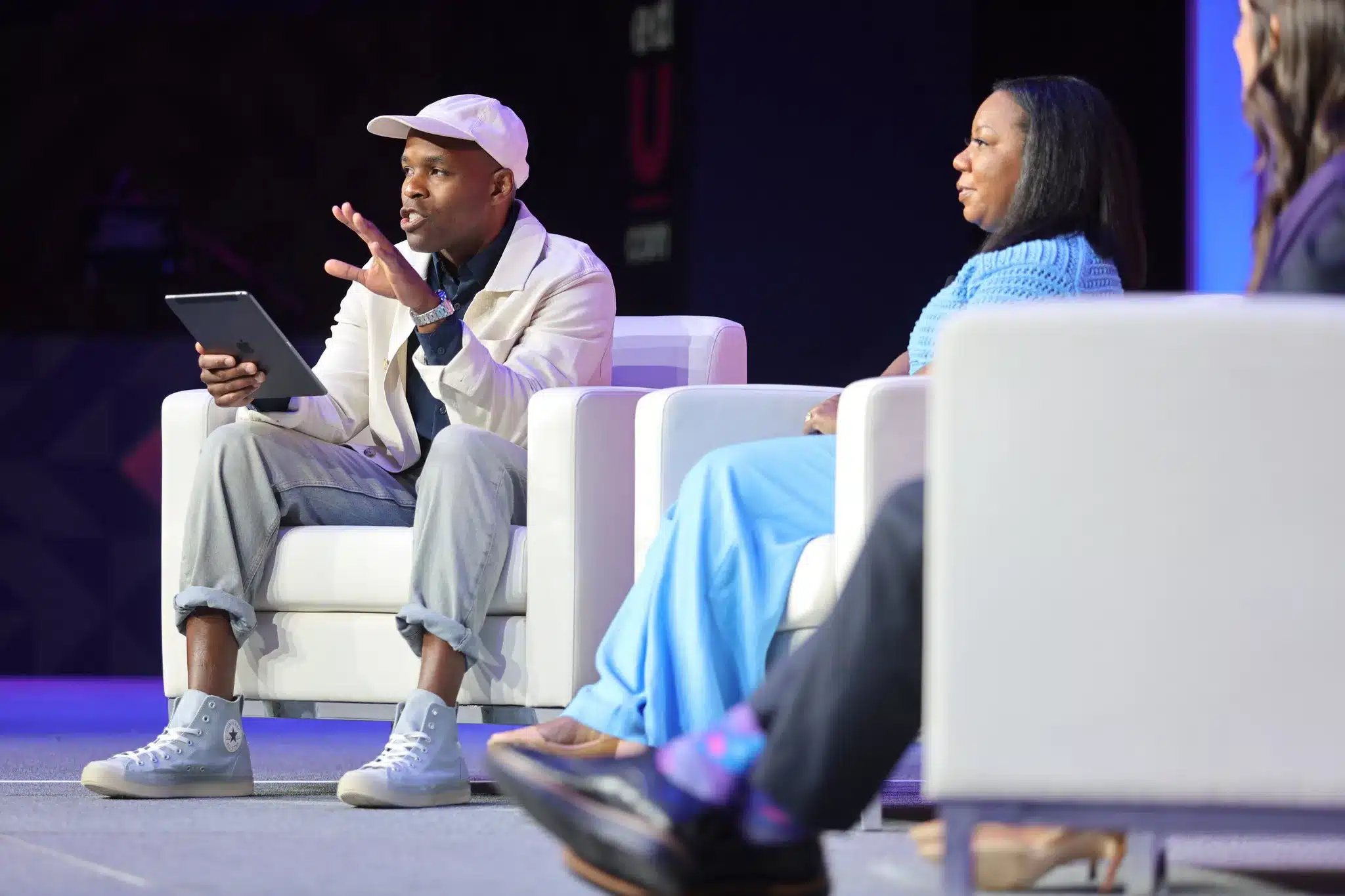
Collaboration begins with an initial consult that defines objectives, audience demographics, brand tone, and music policy, creating a shared brief for programming and timing. This process is streamlined for both local Boston events and remote planning for nationwide engagements. The planning phase establishes concrete run-of-show entries for receptions, breaks, main-stage transitions, and after-hours entertainment, which the DJ integrates with AV and stage managers to coordinate cues and lighting. On-site, whether in Boston or another major city, DJ Graffiti typically participates in a load-in checklist and a quick technical rehearsal to confirm PA placement, monitor mixes, and microphone routing, ensuring redundancies and contingency plans are in place. This process reduces last-minute issues and aligns expectations between event producers, executives, and venue staff so music supports rather than competes with the program. Understanding that coordination model leads naturally to venue-specific considerations that affect load-in, staging, and system scaling, regardless of location.
DJ Graffiti’s Expertise: Boston Convention Centers & Major Venues, Plus Nationwide Service
Professional corporate DJs serve a range of venue types across Boston and nationwide, from large convention centers to hotel ballrooms and unique cultural spaces, each with distinct logistics that affect sound, staging, and timing. The mechanism for compatibility is assessment: identifying venue load-in access, power and AV hookups, staging dimensions, and acoustics before finalizing system design and placement. The specific benefit to planners is fewer surprises during setup and a DJ plan that aligns with venue rules and production constraints. When evaluating venues, planners should focus on capacity, AV infrastructure, and load-in routing since these attributes most directly shape equipment choices and labor. Below is a quick-reference table that summarizes typical venue categories and practical considerations for DJ services to aid selection and logistics planning, applicable to both Boston and national venues.
The table below helps planners match DJ needs to venue realities, with considerations for both local and traveling events.
What Are the Key Features of Boston’s Premier Corporate Event Venues?
Boston’s premier venues typically offer robust AV infrastructure, multiple load-in points, and flexible staging options that support professional production teams, which helps a DJ plan for scalable PA and monitor placement. The mechanism for adapting to these features is modular kit design: DJs choose speaker arrays, subwoofers, and monitor mixes that can scale based on room volume and audience density. The benefit for planners is efficient setup and predictable sonic coverage that supports presentations, applause, and musical moments without compromising speech intelligibility. Practical considerations include confirming power access, FOH sightlines, and stage access windows; addressing these early prevents costly day-of changes and ensures the DJ can integrate with house systems as needed. DJ Graffiti applies this same rigorous assessment and modular approach to all major venues nationwide, ensuring consistent quality.
How Does DJ Graffiti Customize Music and Entertainment for Corporate Events?
Customization for corporate events starts with a discovery process that defines brand tone, audience profile, and program objectives, then translates those inputs into phase-specific music programming—ambient sets for networking, supportive underscoring for presentations, and higher-energy mixes for after-parties. This process is consistent whether the event is in Boston or across the country. The mechanism is curated playlist building plus live mixing techniques that preserve pacing and transitions while reinforcing brand moments. The specific benefit is an experience that feels intentional: music enhances networking energy, smooths speaker transitions, and elevates celebratory segments without distracting from the event’s purpose. Effective customization also includes optional services such as MCing, synchronized lighting cues, and coordination with performers to create cohesive transitions, all adaptable to diverse event locations and cultural contexts.
Custom programming often follows a clear set of steps that planners can expect:
- Discovery & Music Policy Alignment: Define allowed/blocked content and brand tone, considering regional audience nuances if applicable.
- Phase-Based Programming: Create distinct playlists for reception, program, and after-hours, tailored to the event’s flow.
- Live Transition Design: Map musical cues to run-of-show timings and speaker cues, coordinating with local AV teams.
- Add-on Coordination: Integrate MC services, performers, and lighting cues where needed, ensuring seamless execution.
These steps produce a polished entertainment flow that aligns with event objectives and reduces risks during execution. The next subsection details what event types most benefit from tailored DJ services and how roles shift by event phase.
What Types of Corporate Events Benefit from Tailored DJ Entertainment?
Corporate DJs add measurable value across conferences, trade shows, awards galas, product launches, and holiday parties by tailoring roles to each event phase and audience. For conferences and trade shows, DJs provide ambient sets for registration and energized pockets for networking receptions to keep traffic and attention moving between sessions. At awards dinners and galas, DJs focus on transitions, timing of announcements, and curated walk-up music to reinforce the ceremony’s pacing and brand tone. Product launches and after-parties demand higher-energy mixing and potential collaboration with live performers or presenters to create memorable moments. This role flexibility ensures the DJ’s contributions align with a planner’s strategic goals and the event’s desired attendee experience, whether the event is a local Boston gathering or a major national summit.
What Are the Pricing and Package Options for Professional Corporate DJs: Boston & Nationwide?
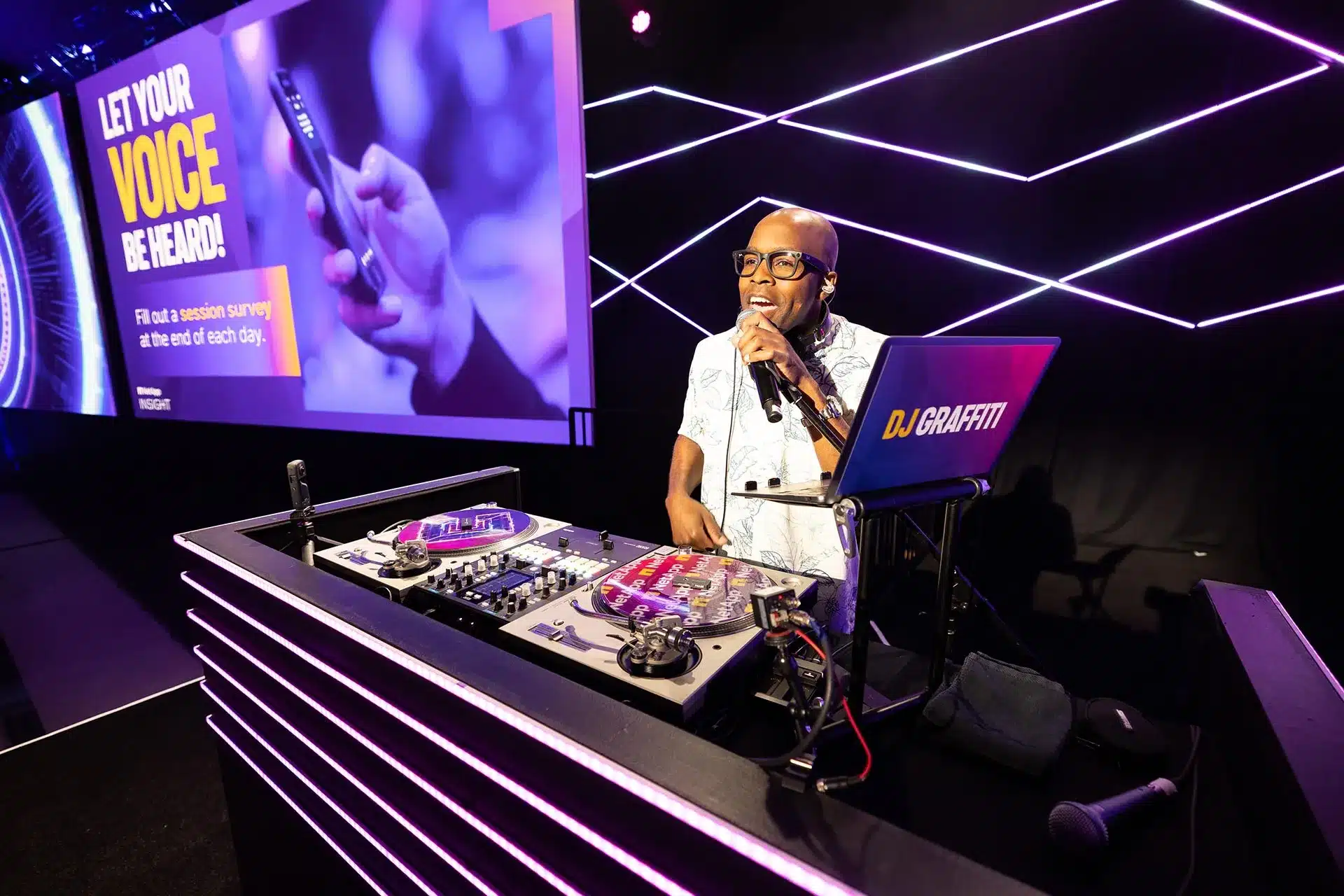
Pricing for corporate DJs varies depending on venue scale, duration, technical requirements, additional services, and crucially, travel for nationwide events; transparent tiers help planners choose what matches their budget and production needs. The mechanism that drives cost is scope control: base hourly or flat rates for performance time, plus incremental charges for additional technicians, advanced lighting rigs, extended hours, complex hybrid-event streaming, and all necessary travel expenses (flights, accommodation, equipment shipping) for out-of-state engagements. The benefit of tiered packages is predictable budgeting and clarity on what is included versus add-ons, with clear line items for travel when applicable. Below is a comparison table that outlines common package structures in the corporate DJ market and the inclusions planners should expect when evaluating proposals.
This table compares typical corporate DJ package tiers and common inclusions to help planners weigh options and forecast costs, including considerations for nationwide travel.
This comparative framework clarifies how equipment, staffing, production scope, and travel logistics influence budget planning, enabling planners to request precise line items when soliciting proposals for both local Boston events and national engagements. The following subsection provides a checklist and decision criteria to pick the right DJ service within budget constraints.
How to Choose the Right Corporate Party DJ Service Within Your Budget
Choosing the right DJ involves assessing qualifications, equipment, and service-level trade-offs, then mapping those to event objectives and budget constraints. Planners should prioritize proof of experience with similar venues and audience sizes (including diverse national locations), documented run-of-show integration processes, clear insurance and contract terms, and transparent equipment redundancy plans to mitigate risk. For nationwide events, inquire specifically about the DJ’s experience with travel logistics, remote coordination, and local vendor partnerships. Ask prospective DJs for a sample timeline that shows where music cues and announcements plug into the program, and request a line-item quote that separates core services from add-ons, including a detailed breakdown of travel costs, so you can trim or expand scope predictably. This decision checklist helps balance cost with the reliability and production quality required for a successful corporate event, whether local or national.
Key checklist items to evaluate:
- Experience with comparable venue types and capacities, including national travel.
- Clear run-of-show integration and cueing procedures, adaptable for remote planning.
- Equipment redundancy and AV compatibility assurances, with travel logistics considered.
- Itemized pricing that separates core services from optional upgrades and travel expenses.
These criteria make it easier to compare proposals and ensure the selected DJ meets both the event’s artistic and operational needs. After cost and selection, planners often look to client outcomes and references to validate vendor fit, which the next section addresses.
What Do Clients Say About DJ Graffiti’s Corporate Event Entertainment?
Client feedback for corporate DJs typically emphasizes punctuality, on-the-day coordination, and the DJ’s ability to read an audience and adapt programming to live dynamics; these are the outcome metrics planners use to evaluate fit. The mechanism behind positive feedback is consistent processes: pre-event planning, rehearsals or line checks, and contingency planning that minimize disruptions, regardless of the event’s location. The benefit to prospective clients is confidence—when a vendor demonstrates repeatable processes, planners can focus on broader event production rather than micro-managing music cues. DJ Graffiti’s portfolio and testimonials (as presented in its public materials) highlight tailored programming and planner collaboration as recurring strengths, offering planners examples they can review when assessing style and approach for both Boston-based and national events.
Planners often examine specific case-style summaries to test claims; below are common case elements to look for in testimonials and portfolio items, which often include diverse locations:
- Challenge: Tight timelines, complex run-of-show requirements, or multi-city logistics.
- Action: Advance planning sessions, integrated cue sheets with AV, and proactive travel coordination.
- Outcome: Seamless transitions, on-time program flow, and measurable attendee engagement improvements, consistently delivered across various locations.
These compact case vignettes help planners evaluate whether a DJ’s working style aligns with organizational expectations. For planners ready to explore availability or request sample mixes, the portfolio materials and public listings for DJ Graffiti provide concrete examples of past corporate event work and programming approach, showcasing both Boston and national event successes.
How Have Past Corporate Events Benefited from DJ Graffiti’s Services?
Past corporate engagements, both in Boston and across the country, show benefits across attendee engagement, program timing, and reduced technical friction for planners when DJs are integrated into the production team. The mechanism is musical and operational alignment: curated music supports networking energy levels and carefully timed transitions prevent overruns, while technical coordination with venue AV avoids conflicts with house systems. Concrete outcomes that planners report include smoother handoffs between speakers and entertainment segments, consistent ambient sound during receptions that facilitates conversation, and responsive day-of troubleshooting that keeps the program on schedule. These operational improvements free planners to focus on content and guest experience rather than music logistics, which is a primary value proposition for selecting a professional corporate DJ partner, especially for complex national events.
Frequently Asked Questions About Corporate Event DJs: Boston & Nationwide
Planners commonly ask about what DJs actually do, how costs are determined (especially with travel), technical requirements, and how DJs integrate with venue AV and production teams; concise answers help procurement and planning conversations move forward. The mechanism of clarity is standardization: providing one-line, direct answers for procurement checklists and longer explanations for technical teams. The benefit is reduced ambiguity during vendor selection and clearer contract scopes that outline responsibilities for music programming, equipment, and timelines, whether for a local Boston event or a national conference. The following short Q&A addresses the most common planning questions in a format suited for quick reference and FAQ schema.
- What does a corporate event DJ do? DJs curate music, provide MC services, execute live transitions, and integrate with AV to support the program’s timing and brand, locally and nationally.
- How is pricing determined? Pricing depends on duration, equipment needs, venue logistics, technician staffing, optional production add-ons, and specific travel costs for nationwide events.
- Can a DJ work with the venue’s house system? Yes; professional DJs assess compatibility and provide FOH routing or bring a dedicated PA as required, coordinating with venue staff wherever the event is located.
- Do DJs provide microphones and announcements? Most corporate DJs include at least one wireless mic and can handle scripted announcements and presenter timing, integrating with event flow.
- Does DJ Graffiti travel for events outside of Boston? Yes, DJ Graffiti regularly provides services for corporate events nationwide, with transparent travel packages and logistics planning.
These concise responses equip planners to quickly assess vendor fit and to prepare scope-of-work documents that align with procurement standards. The next subsection outlines the equipment and technology corporate DJs commonly use and why those items matter for large-venue events, including considerations for transport and setup across different locations.
What Equipment and Technology Does a Corporate Event DJ Use?
Corporate event DJs deploy a set of core systems designed for reliability, speech clarity, and flexible programming: a mixing controller or console for live mixing, professional PA speakers and subwoofers sized to room volume, stage monitors for performer and presenter cues, and redundant playback systems to avoid interruptions. This equipment is selected for its modularity and transportability to ensure consistent quality for both Boston-based and nationwide events. Lighting rigs and DMX-controlled fixtures are often included for premium packages to sync ambiance with program moments, while wireless microphones and in-ear monitoring support clear speech and presenter comfort. Hybrid-event requirements add streaming encoders and feed-splitting to send audio to broadcast or web platforms, and a common best practice is redundant playback media and backup laptops or drives to eliminate single points of failure. The equipment choices and redundancy plans ensure smooth execution across diverse venue types and production scales, with careful planning for shipping and setup when traveling.
The table below explains common equipment entities, their primary purpose, and the practical benefit they deliver for corporate event production, adaptable for national deployment.
- Planning checklist: Confirm PA scaling, power access, mic routing, and travel logistics (shipping, local rentals if needed) before contracts are signed.
- Technical tip: Require a day-of contact for AV integration and a brief rehearsal or line-check, especially crucial when working with new venue teams remotely.
- Risk mitigation: Ask about redundancy and backup procedures for critical playback and streaming elements, and inquire about travel insurance for equipment.
