

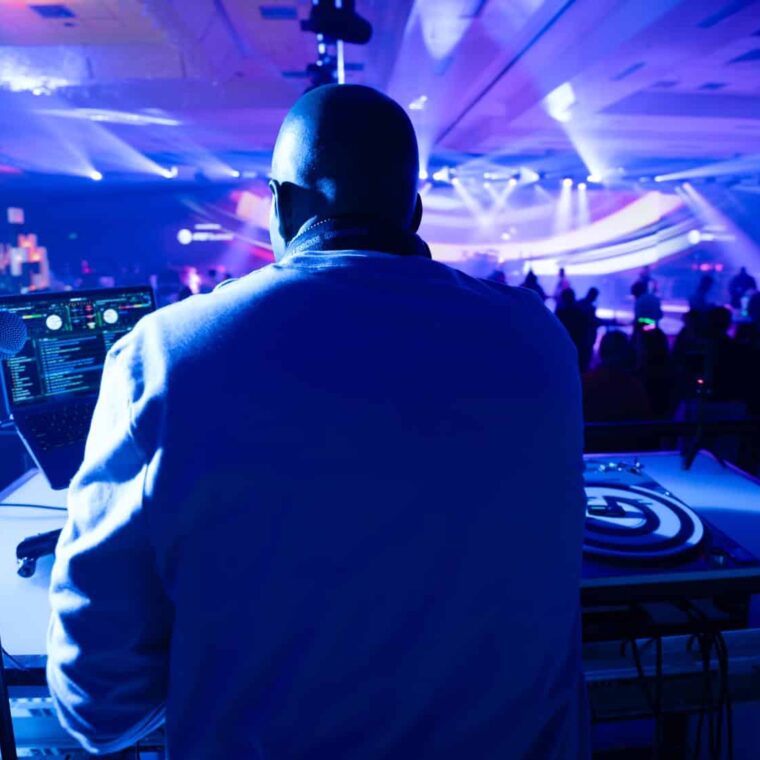

Nationwide Corporate Event DJ Services: Expert Entertainment for Convention Centers & Major Venues, Featuring Miami, FL
DJ Graffiti provides expert corporate event DJ services nationwide, offering tailored music, technical production, and crowd management to support agendas and brand objectives at large-scale gatherings. While specializing in the vibrant Miami, FL market, our expertise extends to convention centers and major venues across the country. This article explains how a professional corporate event DJ like DJ Graffiti shapes tone and pacing, ensures technical reliability with venue AV teams, and designs playlists that maximize attendee engagement at conventions, awards ceremonies, product launches, and afterparties. Planners will learn selection criteria for hiring a nationwide corporate DJ, venue-specific logistics for convention centers and major venues, recommended technical setups, genre and playlist strategies for different event phases, and the vendor process that ensures smooth execution. The guidance emphasizes practical checklists, equipment comparisons, and communication practices that reduce risk and enhance outcomes for meeting planners and corporate brand teams. Throughout, the content references industry best practices and uses targeted terms like nationwide corporate dj, traveling corporate dj, miami corporate dj, corporate event dj miami, and Miami convention center DJ to help planners find the right entertainment solution.
Why Choose DJ Graffiti for Your Corporate Event Entertainment?
DJ Graffiti is a specialist in corporate event entertainment, managing music tone, transitions, and crowd dynamics to support meeting objectives and brand presentation, whether in Miami or across the nation. We synchronize music with event timelines and speakers, use industry-grade sound and lighting rigs to ensure consistent audio quality, and follow venue rules and production protocols to minimize technical risk. Hiring DJ Graffiti reduces troubleshooting burden on planners and enables seamless integration with AV teams and production companies. We also curate music that reflects brand voice and local cultural context, improving attendee satisfaction and networking energy while maintaining appropriate volume and tempo for each program segment.
The benefits of working with DJ Graffiti include several practical outcomes planners should prioritize:
- Professional DJs manage tone and pacing to align music with program flow and networking goals.
- Technical reliability reduces the chance of audio failures and eases coordination with venue AV teams.
- Audience engagement and brand-appropriate curation strengthen attendee experience without distracting from content.
- Contingency planning and backup media ensure the event can continue smoothly if a technical issue arises.
These benefits translate into measurable planning advantages such as fewer day-of adjustments and clearer role handoffs with production partners, which leads into how DJ Graffiti demonstrates these strengths for conventions and venues nationwide, with a special focus on Miami.
What Makes DJ Graffiti Stand Out in the Corporate Event Scene?
DJ Graffiti operates as a professional DJ service focused on corporate event entertainment, offering expertise tailored to conventions and major venues nationwide, with a strong presence in Miami. As a practical example of a professional corporate DJ partner, DJ Graffiti emphasizes customized music curation, crowd engagement strategies, and close coordination with venue AV and production teams to support event objectives. Planners working with DJ Graffiti can expect a consultative approach that aligns playlists and transitions with agenda milestones and branding needs, reducing on-site coordination overhead. For availability and to assess fit for a specific convention or venue, planners can request a direct scheduling check with DJ Graffiti to confirm logistics and timeline compatibility for events anywhere in the country.
This company-focused example demonstrates how DJ Graffiti transforms event goals into a musical and production plan that supports speaker timing and networking flows, which connects directly to how customized music choices shape atmosphere at corporate functions.
How Customized Music Enhances Corporate Event Atmosphere
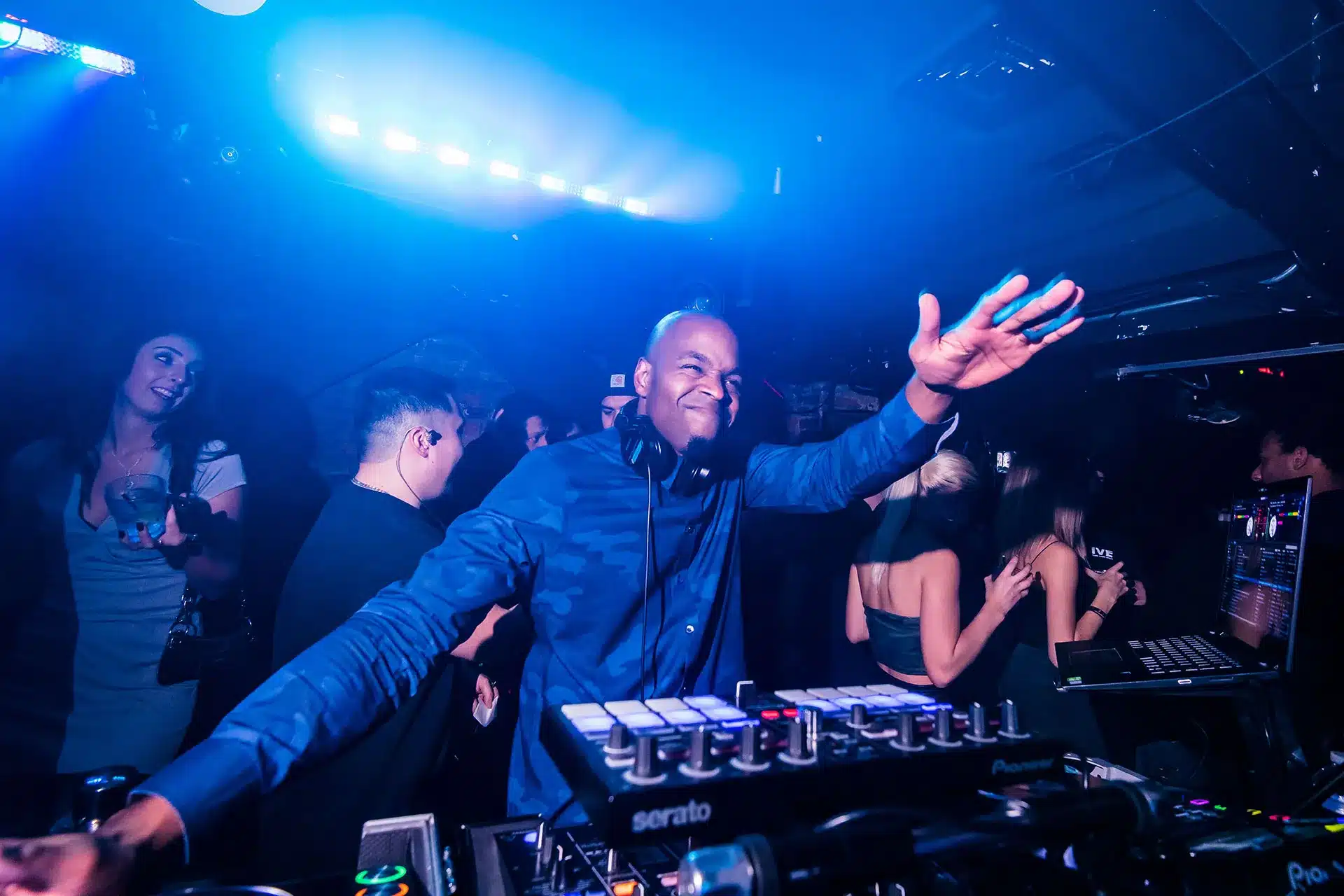
Customized music selection at corporate events influences attendee mood, perceived brand quality, and the effectiveness of networking or presentation segments by matching tempo, genre, and familiarity to event goals. During arrivals and cocktail hours, curated lounge or light electronic sets encourage conversation while maintaining an upscale atmosphere, whereas keynote sessions benefit from subtle ambient tracks or quiet transitions that respect speaker focus and room acoustics. For afterparties and receptions, higher-energy mixes with locally relevant rhythms can boost attendee enjoyment and sustain momentum without undermining safety or brand standards. Thoughtful transitions—such as tempo ramps between program segments and designated low-volume periods during networking—help preserve program clarity and support production timelines.
Understanding these dynamics allows planners to brief DJs with clear objectives for each event phase, which in turn informs technical requirements and staging decisions discussed in the venue logistics sections that follow.
DJ Graffiti’s Expertise in Miami & Major Venues Nationwide
Large venues, whether in Miami or across the country, demand careful planning for load-in, staging, and AV coordination; professional DJs like DJ Graffiti adapt setup and workflow to venue policies and production teams. Experience operating in convention centers and major ballrooms matters because DJs must coordinate line-of-sight for microphones, confirm patching with venue AV, and plan stage placement for optimal sound coverage. For planners, the central assessment is whether a vendor can integrate with the venue’s house system, meet stage and power requirements, and provide contingency equipment. The following table maps common venue types to typical logistical considerations and brief organizer-focused notes about compatibility and production coordination, applicable to both Miami and other major cities.
This mapping helps planners evaluate fit and prepare questions for vendor proposals, and it leads into how DJ Graffiti tailors performances specifically for convention center environments, regardless of location.
How DJ Graffiti Tailors Performances for Convention Center Events
For convention center events, DJ Graffiti focuses on timeline integration, AV coordination, and playlist segmentation to align music with session starts, speaker transitions, and networking breaks. This approach is applied consistently whether the event is in Miami or another major city. The process includes pre-event technical walkthroughs with the venue production team to confirm patch points, monitor mixes, and stage placement so that audio coverage supports both large plenaries and breakout rooms where needed. Playlists are structured into timed segments that match agenda milestones—ambient sets for registration, discrete cues for speaker introductions, and energizing mixes for networking or exhibit-floor hours. Contingency planning includes backup media, wireless microphone checks, and a communication protocol with the event stage manager to handle schedule shifts without disrupting flow.
These operational practices reduce day-of surprises and ensure music complements rather than competes with program content, which transitions naturally into the technical requirements needed for large venue setups.
What Are the Technical Requirements for Large Venue DJ Setups?
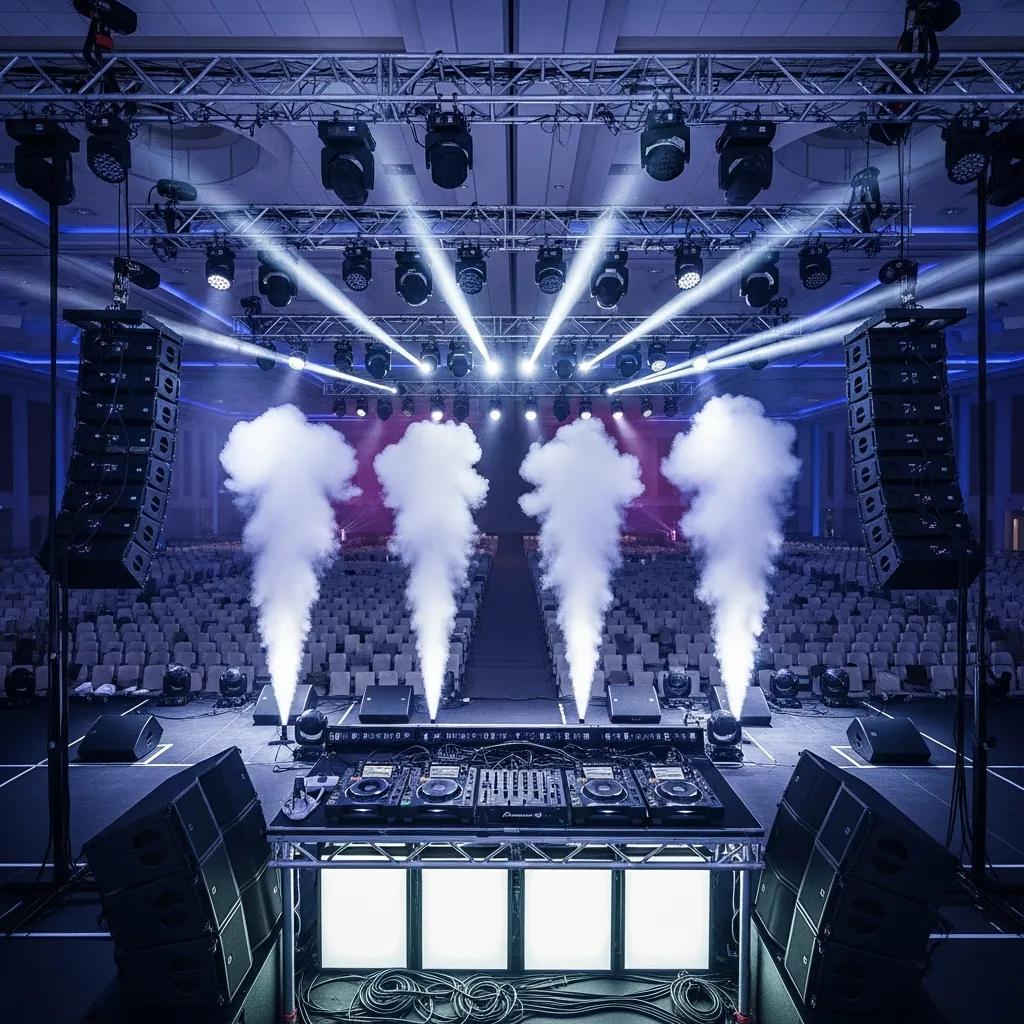
Large venue DJ setups must address sound coverage, monitoring, and power distribution to deliver clean, controllable audio for rooms of varying sizes. Essential components include a main PA appropriate to room volume, reliable monitor wedges or in-ear mixes for emcees, professional-grade DJ controllers or media players, and robust redundancy for playback sources. Power considerations and stage footprint are critical—DJs should confirm dedicated circuits and stage clearance with venue electricians. Coordination items such as audio patching, walk-in times, and the venue’s point-of-contact for AV should be finalized in the tech rider and during the pre-event site check.
The table below compares common equipment components and venue requirements to help planners and production teams agree on minimum standards for large-format events.
This equipment checklist clarifies integration points with venue AV teams and prepares planners for the pre-event technical walk-through that confirms final routing, which in turn informs staging and timeline decisions addressed in programming sections.
What Music Genres and Playlists Are Ideal for Corporate Events (Miami & Beyond)?
Selecting genres and playlists for corporate events requires balancing local cultural flavors with broad attendee preferences to create an inclusive, brand-aligned atmosphere. For Miami corporate events, this often means incorporating local Latin influences. For events nationwide, DJ Graffiti adapts to the specific regional vibe. Different event phases call for distinct musical approaches: lounge and soft jazz or light electronic for cocktail receptions, subtle instrumental or low-key curated tracks for keynote and breakout sessions, and upbeat dance, pop, or locally-influenced mixes for afterparties that celebrate local identity. Playlists should be vetted for lyrical content and tempo to avoid distractions during presentations while allowing higher energy during social segments. The short list below maps event phase to genre strategy for quick planner reference.
- Reception/Cocktail: Use lounge, bossa nova, or soft electronic to encourage conversation and relaxed networking.
- Keynote/Session: Choose ambient instrumental or low-key acoustic sets to support concentration and speaker presence.
- Afterparty/Networking: Deploy high-energy pop, dance, or locally flavored mixes (e.g., Latin in Miami) to promote celebration and attendee engagement.
These mappings help planners brief their DJ on mood and tempo targets, and they lead into a practical decision framework for choosing music that engages diverse corporate audiences.
How to Choose Music That Engages Corporate Audiences
A practical decision framework for music selection starts with audience demographics, event objectives, and brand voice to ensure playlist choices resonate without alienating attendees. Assess factors such as attendee age range, cultural background, and the balance between local flavor and global familiarity, then set clear tempo and lyrical constraints for each program segment. Combining familiar hits with curated emerging tracks keeps energy while avoiding repetitive rotations, and pre-event playlist sampling allows stakeholders to approve mood and content. Finally, plan transitions and volume levels in consultation with the venue’s acoustics team to maintain speech intelligibility during presentations and to create appropriate energy lifts for networking times.
Using this framework, planners can create a concise brief for DJs that reduces ambiguity and speeds approval, which connects directly to how DJ Graffiti customizes playlists for specific corporate party types.
Which Popular Playlists Does DJ Graffiti Customize for Corporate Parties?
When customizing playlists for corporate parties, DJ Graffiti typically assembles category-based sets—such as lounge reception mixes, upbeat networking collections, and high-energy afterparty sequences—that are then tailored by tempo, vocal content, and cultural touches. For a Miami audience, customization often includes subtle Latin rhythms or bilingual track choices strategically mixed with global pop or house selections to maintain broad appeal. For events in other regions, DJ Graffiti adapts to incorporate local musical preferences. The customization process involves sampling playlists for client approval, adjusting track transitions to respect program cues, and preparing alternate mixes for different audience segments or timeline shifts. These tailored playlists enhance attendee experience while remaining aligned to brand tone and speaker requirements.
Custom playlist categories provide a repeatable structure that simplifies approvals and makes it easier for event teams to visualize how music will support each segment, which transitions into process actions that ensure flawless execution.
How Does DJ Graffiti’s Process Ensure Seamless Nationwide Corporate Event Entertainment?
DJ Graffiti’s process for corporate event entertainment follows a structured workflow designed to reduce risk and align music and technical delivery with event goals, whether the event is in Miami or across the country. The process is built around four core phases—consultation, curation, technical coordination, and live execution—that map directly to planner needs and production milestones. Each phase includes clear deliverables such as a run sheet, a playlist draft, and a tech rider, and DJ Graffiti emphasizes proactive communication with venue AV teams to confirm staging and power. The numbered list below summarizes the workflow in a concise format for featured-snippet style clarity.
- Initial consultation to capture objectives, audience profile, and program timeline.
- Music curation and playlist sampling aligned to event segments and brand voice.
- Technical coordination including rider submission, site walk-through, and AV integration.
- Live execution with on-site tech checks, timeline synchronization, and contingency management.
This stepwise approach demonstrates how consistent planning reduces day-of surprises and ensures DJ Graffiti functions as a reliable part of the production team, leading into the detailed client consultation steps that planners should expect.
What Steps Are Involved in DJ Graffiti’s Client Consultation and Customization?
The client consultation typically begins with a discovery call to capture event objectives, attendee profile, preferred genres, and any brand guidelines that influence music choice and volume. After the discovery phase, DJ Graffiti provides playlist samples and a proposed timeline that integrates cue points for speakers, emcee announcements, and transitions between program segments, enabling client feedback and approval before the event. The technical rider and stage requirements are finalized during the coordination phase, which includes confirming power, patching, and load-in windows with venue production. On the event day, DJ Graffiti conducts a soundcheck and timeline sync with the stage manager to ensure cues and transitions occur precisely as planned.
This sequence clarifies expectations and creates checkpoints for approvals, which improves reliability and reduces last-minute changes that can affect program flow.
How Does Transparent Communication Improve Event Outcomes?
Transparent communication practices—such as sharing a documented run sheet, designating a day-of point-of-contact, and scheduling regular check-ins—minimize risk by establishing clear responsibilities and escalation paths. Documented artifacts like the timeline, contact lists, and technical rider provide a single source of truth for planners, production teams, and venue staff, ensuring that everyone knows cue times and communication channels. Regular pre-event check-ins allow for schedule updates, playlist revisions, and confirmation of AV resources, which reduces the likelihood of misaligned expectations on the event day. A clear escalation plan for handling last-minute changes or technical issues preserves event quality and maintains the audience experience.
These communication practices form the backbone of coordinated production and lead naturally into common selection and logistical questions planners ask when hiring a corporate DJ.
What Are Common FAQs About Hiring a Corporate Event DJ (Nationwide & Miami)?
Planners frequently ask about selection criteria, technical specs, lead times, and typical service inclusions when hiring a corporate event DJ, whether for a Miami event or a nationwide engagement. Common considerations include verifying venue experience, confirming the DJ’s ability to integrate with house systems, understanding what equipment the vendor provides versus what the venue supplies, and clarifying timelines for approvals and site visits. Below is a concise checklist of selection criteria that planners can use to compare providers and ensure they meet production needs.
- Verify venue compatibility and experience with convention centers or large ballrooms, locally and nationally.
- Confirm technical proficiency, including backup playback and microphone handling.
- Ask about communication practices, run sheet delivery, and designated day-of contacts.
- Clarify what equipment, setup, and teardown services are included in the quote, especially for travel.
This FAQ-style guidance helps planners frame vendor questions and leads into a practical pricing and package comparison to clarify what to expect in proposals.
How to Select the Right DJ for Your Corporate Event?
When evaluating DJs, use a simple scoring checklist that weights technical capability, event-type experience, music versatility, and communication practices to compare candidates objectively. Request sample playlists and recordings that reflect similar event types, ask for a technical rider that lists equipment and redundancy plans, and confirm the DJ’s process for coordinating with venue AV. Red flags include vague answers about power requirements, lack of backup media, or an inability to provide a run sheet prior to the event. By scoring vendors on these concrete criteria, planners can shortlist providers who demonstrate reliability and fit for the event’s scale.
Applying this selection framework reduces procurement risk and aligns vendor deliverables to production requirements, which informs the typical pricing and service options to expect.
What Are Typical Pricing and Service Options for Corporate Event DJs (Nationwide & Miami)?
Pricing models for corporate event DJs generally fall into packaged offers or time-based rates; packages bundle specific hours, basic lighting, and setup while hourly models accommodate shorter activations or add-on service hours. For nationwide travel, additional considerations for logistics and travel expenses will be factored in. When reviewing proposals, clarify inclusions such as setup and breakdown time, basic lighting, travel or parking fees, overtime rates, and AV coordination responsibilities to avoid surprises. The table below presents a neutral package comparison format planners can use when evaluating quotes, without specific vendor pricing to ensure comparability across providers.
Summarizing proposals against these package types helps planners ask targeted questions about overtime, travel fees, and AV coordination so they can compare apples-to-apples when selecting a vendor.
How Do Client Testimonials and Case Studies Demonstrate DJ Graffiti’s Expertise?
Client testimonials and case study summaries provide social proof that DJ Graffiti can deliver outcomes such as increased networking energy, seamless AV integration, and reliable timeline management for events in Miami and across the nation. While specific client quotes and full case studies are typically hosted by vendors, planners should look for video testimonials, succinct outcome-focused summaries, and contextual details that describe event type and the measurable impact on attendee engagement. Presenting this evidence near booking actions boosts confidence in vendor selection and helps procurement teams justify the entertainment investment. Below is a short list of success-pattern summaries that planners commonly seek when vetting entertainment partners.
- Improved networking energy following tailored reception playlists and tempo management.
- Seamless speaker transitions enabled by pre-event cue coordination and rider compliance.
- Reduced day-of issues due to redundant playback systems and clear communication protocols.
These success patterns indicate the kinds of outcomes planning teams should request evidence for, which leads to recommendations about using short-form video proof to increase stakeholder confidence.
What Success Stories Highlight DJ Graffiti’s Impact at Corporate Events?
Available success patterns for corporate events, including those in Miami, typically show consistent themes: effective timeline integration, audience energy lifts during networking segments, and low-friction technical coordination with venue AV teams. For planners evaluating DJ Graffiti as an option, look for case summaries that describe the event type (e.g., convention reception or awards afterparty), the production challenge addressed (such as complex speaker transitions), and the outcome in terms of audience engagement or seamless execution. Requesting concise case summaries enables planning teams to see parallels between past events and their own requirements without needing exhaustive detail.
Examining these summaries helps planners match vendor strengths to event priorities and encourages follow-up on availability or more detailed case materials.
How Do Video Testimonials Enhance Trust and Engagement?
Short video testimonials—30 to 90 seconds in length—provide powerful social proof by combining visual context with stakeholder commentary on outcomes like guest satisfaction and production reliability. Videos placed near booking prompts or availability checks perform best when paired with captions and timestamps to highlight specific takeaways and improve accessibility. For SEO and discoverability, adding descriptive captions and short summaries that include event type and core outcomes helps surface relevant content in searches and supports planning decisions. Planners should request succinct video clips that focus on measurable results and production coordination to validate vendor capabilities quickly.
These multimedia assets, paired with clear case summaries, make it easier for event teams to assess fit and move toward booking checks or availability confirmations with confidence.

