Live Singers at Corporate Events: DJ Graffiti’s Guide to Unforgettable Vocal Entertainment
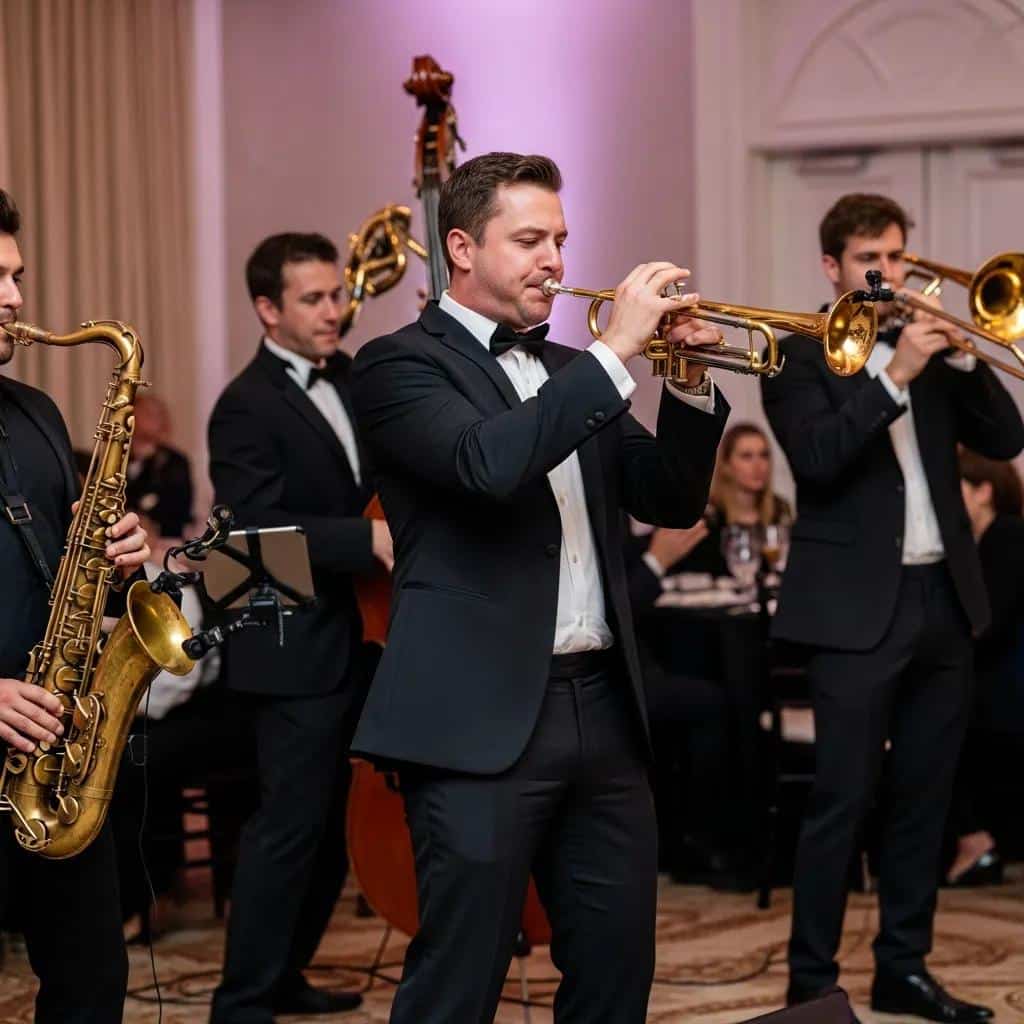
From my perspective as DJ Graffiti, live singers at corporate events are game-changers. They’re professional vocalists who perform tailored sets for business gatherings, from cocktail receptions to awards galas. Hiring a live singer, especially when integrated thoughtfully with a DJ, transforms event entertainment through direct audience engagement, dynamic pacing, and an emotional resonance that recorded music alone simply can’t achieve. This article, drawing from my experience collaborating with countless vocalists, explains how professional vocal entertainment raises perceived event quality, strengthens branding, and encourages guest interaction. We’ll cover practical guidance on selection, seamless integration with DJs, critical sound engineering considerations, and booking best practices to ensure truly memorable corporate music moments. For a comprehensive guide to corporate event entertainment, readers will learn clear selection criteria, checklist-style steps for vetting performers, ways to blend live vocals with DJ services, and the event-planning logistics that ensure singers sound their absolute best. The guide uses semantic tactics to outline performer types, technical rider essentials, and negotiation points so planners can book with confidence and create memorable corporate music moments. For networking event entertainment, live singers can be particularly effective.
Why Live Singers, Especially with a DJ, Elevate Corporate Event Entertainment
Live singers at corporate events, particularly when working in tandem with a skilled DJ, deliver immediate audience engagement by using voice, presence, and repertoire to shape tone and timing. The mechanism is simple: live vocals create an authentic focal point that recorded tracks cannot reproduce, which produces stronger emotional responses and sustained attention from attendees. From my perspective behind the decks, a live vocalist adds a human element that a DJ can amplify and support. Organizers should weigh the benefits—atmosphere control, branding opportunity, and adaptable energy levels—against practical constraints like acoustics and space requirements. The following comparison helps planners choose between solo, duo, or band vocalists based on typical event needs and venue limitations, and it leads naturally into a closer look at how vocalists add concrete benefits in different event formats. To explore other professional entertainment types, consider a broader range of options.
Professional live vocalists bring distinct advantages depending on how they are deployed, and understanding those differences helps match performer type to event goals. Below is a quick comparison to clarify trade-offs between performer formats, keeping in mind how a DJ can complement each.
This table shows how choosing the right performer type aligns impact with venue capability and informs technical planning. Next, we examine specific benefits professional vocalists bring to corporate parties and how to translate those into measurable outcomes.
What Benefits Do Professional Live Vocalists Bring to Corporate Parties? (DJ Graffiti’s Take)
Professional live vocalists offer energy, authenticity, and the ability to tailor a setlist to an event’s brand, which boosts guest perception and retention. From my experience, they can perform as ambient background during networking, transition to featured sets for headline moments, or even act as an emcee to guide program flow; this versatility enables organizers to shape pacing and maintain momentum. Live singers also provide unique branding opportunities by performing theme-appropriate arrangements or customized versions of signature songs, supporting corporate messaging without interrupting the event. As a DJ, I often work with vocalists to create custom intros or outros, or to blend their live performance with specific brand-aligned tracks. Understanding these benefits helps planners decide when to feature a singer prominently and when to use vocals more subtly.
These performer benefits directly affect guest behavior and perceived event value, which leads into how live singers specifically enhance atmosphere and engagement at corporate functions.
How Do Live Singers Enhance Event Atmosphere and Client Engagement? (A DJ’s View)
Live singers change guest behavior through direct audience cues—call-and-response moments, eye contact, and dynamic set progression—that increase participation and extend guest dwell time. The mechanism is emotional resonance: a human voice conveys nuance and timbre that create memorable moments, prompting attendees to stay longer, engage in conversations, or participate in fundraising or networking activities. When I’m working with a vocalist, I see how their presence immediately draws people in. For more engagement strategies, consider other interactive elements. Planners can measure qualitative engagement using simple indicators like applause frequency, time spent in the event space, and conversational intensity during breaks. These qualitative measures help quantify the ROI of live vocal entertainment and inform future programming decisions.
Seeing how singers influence engagement naturally suggests practical selection steps to ensure the chosen vocalist matches event tone and audience expectations, which is the subject of the next section.
How to Select the Perfect Live Singer for Your Corporate Event (DJ Graffiti’s Advice)

Selecting the right live singer begins with clear criteria that align repertoire, style, and professionalism with event goals and audience demographics. From a DJ’s perspective, a great vocalist is not just talented but also a team player. The mechanism for success is a structured vetting process: confirm repertoire fit, evaluate corporate experience, review technical rider needs (and how they integrate with existing AV), and check references and live performance footage. Making selection decisions based on these attributes reduces risk and ensures the performer can read a room and adapt pacing on the fly. The checklist below provides actionable steps planners can use when comparing candidates and leads into a comparison table that breaks down selection attributes and why each matters.
Use this step-by-step checklist to evaluate potential singers before booking:
- Confirm repertoire alignment: Ensure the singer’s setlist matches the event’s demographic and brand tone.
- Verify corporate experience: Ask for examples or references from previous corporate clients.
- Assess technical requirements: Request a technical rider detailing PA, monitor, and staging needs. As a DJ, I look for clear, concise riders that show the vocalist understands live sound.
Following these steps reduces uncertainty and helps you shortlist performers who can deliver both musically and logistically. The table below expands on core selection attributes to guide final decisions.
This comparison assists planners in prioritizing must-haves versus nice-to-haves when choosing a singer. Next, we explain how to evaluate a performer’s experience, genre fit, and style in practical terms.
What Criteria Define the Best Live Music Acts for Corporate Events? (DJ Graffiti’s Insights)
Top corporate music acts demonstrate professionalism, adaptable repertoire, and a track record of successful event performances, which collectively reduce risk and elevate guest experience. From my vantage point, professionalism includes punctual communication, clear contracts, and an organized rider that’s easy to integrate with existing sound setups; repertoire adaptability means a performer can shift between ambient and featured roles while preserving quality. Red flags include inconsistent audio samples, vague rider requirements, or reluctance to provide references. Employing a weighted checklist—must-haves like insurance and contracts, nice-to-haves like custom arrangements—streamlines selection and ensures reliable outcomes. For specific genres like jazz musicians for corporate events, additional considerations may apply.
Establishing these criteria leads naturally to methods for evaluating performance style and fit, including what evidence to request from performers.
How to Evaluate Experience, Genre, and Performance Style of Event Music Performers? (A DJ’s Checklist)
Evaluating a singer’s fit requires watching full-length performance videos, reviewing client testimonials, and asking targeted questions about previous corporate work and setlist flexibility. From my experience, I’d also suggest asking about their comfort level working with a DJ. Request specific examples of similar event types, and if possible, arrange a short audition or remote video call to assess presence and MC skills. Also confirm technical compatibility by reviewing their rider and discussing PA and monitoring needs with your AV lead and, if applicable, your DJ. These evaluation steps provide a clear sense of how a performer will integrate on event day and reduce surprises during load-in and soundcheck.
Having selected a singer, many planners want to combine live vocals with DJ services; the next section outlines practical hybrid models and coordination methods, a specialty of DJ Graffiti.
How to Integrate Live Singers with DJ Services for Memorable Corporate Events (DJ Graffiti’s Blueprint)
Integrating live singers with DJ services creates a hybrid entertainment model that blends the spontaneity of live performance with the continuous energy of a DJ set. From my perspective, the mechanism for success is clear role definition and meticulous technical coordination: align tempos and keys, plan transitions down to the second, and dedicate ample time for joint soundcheck and rehearsal. Models include singer-over-DJ tracks, alternating sets, and collaborative remixes; each model requires specific cues and mixing strategies to maintain flow. Below is a practical list of effective hybrid approaches to consider and how they influence run-of-show planning.
Common hybrid performance models I’ve successfully implemented include simple overlays and full collaborative sets:
- Singer over DJ tracks: The vocalist performs atop pre-mixed backing tracks or live beats provided by the DJ, who controls energy and transitions. This requires the DJ to be highly responsive to the singer’s performance.
- Alternating sets: The DJ and singer rotate, allowing each to spotlight moments without overlap. Smooth transitions are key here, often involving pre-mixed segues.
- Collaborative mashups: The DJ remixes live vocals in real time, sometimes adding effects or looping phrases, to create unique, event-specific arrangements. This is where the magic truly happens, but it demands strong communication and trust.
These models require pre-arranged keys, tempo agreements, and at least one joint rehearsal to ensure smooth transitions. From a DJ’s standpoint, I always ensure I have a clear monitor mix for the vocalist and that our communication cues are established. The next paragraph addresses technical coordination specifics.
Technical coordination demands clear monitoring and mixing plans, including dedicated monitor mixes for the singer and a sound engineer skilled in live/recorded blending. As the DJ, I work closely with the vocalist and sound engineer to agree on cue language, tempo maps, and transitional markers in the run-of-show so both DJ and vocalist know precisely when to increase or ease energy. A short rehearsal focusing on tempo-matching and monitor levels prevents timing issues and protects vocal performance quality. Coordinating these elements reduces friction and results in a seamless hybrid performance that feels intentionally crafted rather than cobbled together. My goal is always to make the vocalist sound their absolute best, and that starts with a solid technical foundation.
For planners who prefer a single supplier to simplify logistics, note that a provider operating both DJ and live music services can streamline rehearsal scheduling and technical coordination. The provider information available indicates that some suppliers list professional DJ and live music entertainment, including live singers. Relying on a single provider who offers both services can reduce communication overhead and improve run-of-show synchronization, as the DJ is already familiar with the vocalist’s needs.
What Are Effective Ways to Combine Live Singing and DJ Music? (DJ Graffiti’s Playbook)
Effective combinations depend on pre-arranged musical agreements and sufficient rehearsal time to practice transitions and monitor setups. Prior to the event, I always ensure we agree on song keys, tempo ranges, and sections where live improvisation is acceptable to avoid clashes between live pitch and backing track elements. Allocate more rehearsal time to lead-single songs that require precise timing, and plan fade points where the DJ can take over energy without disrupting the vocal narrative. These steps ensure the audience experiences cohesive entertainment rather than disjointed segments. It’s about creating a unified sound, not just two separate acts.
Following soundcheck and rehearsal protocols leads into why hybrid performances elevate audience experience and brand outcomes at corporate events.
How Do Hybrid Performances Elevate Corporate Party Entertainment? (The DJ’s Advantage)
Hybrid DJ-plus-singer performances increase variety and maintain energy by alternating textures—live voice for emotional peaks, DJ sets for continuous motion—creating a layered entertainment arc that sustains guest attention. The combination enables thematic customization, such as branded mashups or signature song moments, which reinforce event identity and make social media moments more shareable. As a DJ, I can seamlessly blend a live vocal performance into a dance set, keeping the energy high and the transitions smooth. Measurable outcomes include longer guest dwell time in entertainment areas and increased social engagement during and after the event. These benefits make hybrids particularly effective for corporate galas and brand launches where both atmosphere and headline moments matter.
What Event Planning Tips Ensure Unforgettable Live Singer Performances? (DJ Graffiti’s Technical Checklist)
Ensuring an unforgettable live singer performance requires a clear timeline, designated point people, and technical specifications that match the performer’s rider. From my experience, the mechanism for reliability is structured coordination: build a call sheet, schedule soundchecks, confirm stage dimensions and power availability, and assign a stage manager. Contingency planning—backup microphones, spare cables, and a communication protocol for timing changes—keeps the show on track. Below is a practical checklist to use when preparing the venue and crew, followed by a short technical rider template to share with venues and performers.
Use this event-prep checklist to reduce day-of risk:
- Create a performance timeline: Include arrival, load-in, soundcheck, rehearsal, and set times. Share this with the DJ and vocalist well in advance.
- Assign point people: Designate a stage manager and an AV lead for performer coordination. The DJ should also have a direct line to these individuals.
- Confirm technical specs: Verify stage size, power sources, and PA compatibility well in advance. Ensure the PA can handle both live vocals and DJ output without compromise.
Applying this checklist improves run-of-show clarity and sets expectations for all stakeholders. The table below gives a concise technical rider checklist that planners can adapt, keeping in mind the DJ’s integration needs.
This rider-style breakdown helps avoid last-minute technical issues and makes load-in efficient, which naturally connects to coordination protocols for performers discussed next.
How to Coordinate Event Music Performers for Seamless Entertainment? (DJ Graffiti’s Coordination Strategy)
Coordinator success relies on clear roles, rehearsal structure, and a shared run sheet that specifies cues and fallback plans for timing shifts. Assign a stage manager to relay cues, an AV lead to manage sound levels, and a single point of contact for performer needs; this reduces confusion and speeds decisions. As the DJ, I make sure I’m part of this communication loop. Conduct a prioritized soundcheck focusing on vocal clarity and monitor mixes rather than full run-throughs, and schedule a brief joint rehearsal when the singer and DJ perform together. These coordination practices ensure performers have space to adapt and that the entertainment runs smoothly during the event.
Coordinating performers ties directly into venue-specific considerations like staging, power, and acoustics, which the next section addresses.
What Are Key Considerations for Venue, Timing, and Technical Setup? (A DJ’s Perspective on Sound Engineering)
Venue logistics determine many performance variables—stage dimensions, floor-level acoustics, ceiling height, and available power influence PA choice and monitor strategies. Confirm stage dimensions and load-in routes early to ensure the performer and their equipment can be accommodated without last-minute changes. From a sound engineering standpoint, I always prioritize a clean, powerful PA system that can handle both the dynamic range of live vocals and the full spectrum of DJ music. Plan monitor mixes for singers, specify preferred microphone types (dynamic vs. condenser), and confirm whether in-ear monitors are available or required. The DJ also needs a dedicated monitor mix to ensure they can hear the vocalist clearly for seamless transitions. Answering these technical questions ahead of time prevents compromises to vocal quality and keeps the performance reliable and professional.
Which Case Studies Showcase Successful Corporate Events Featuring Live Singers? (DJ Graffiti’s Collaborations)
Case studies illustrate how live singers, especially when deployed strategically with a DJ, can deliver specific event outcomes like elevated brand perception, improved guest retention, and stronger fundraising performance at galas. Short narratives that describe the event goal, the entertainment approach (often highlighting the DJ-singer collaboration), and observed results provide replicable tactics—such as using a singer for a surprise headline moment to increase social buzz. Collecting dated summaries and media-rich case pages helps prospective clients and internal stakeholders visualize the impact of live vocal entertainment. The next paragraphs explain how to gather and present such case studies and recommend practical testimonial prompts organizers can use when soliciting feedback.
When compiling case studies, use a consistent structure—goal, approach, result—to make comparisons meaningful and actionable for future events. Below is a quick set of prompts to request from clients that yield useful testimonials and measurable context, particularly highlighting the synergy between DJ and vocalist.
- Event context: Ask clients to state the event type, guest count, and objective.
- Entertainment role: Request a brief description of how the live singer and DJ were used, and how their collaboration enhanced the event.
- Outcome measures: Solicit observed outcomes such as guest engagement, social media mentions, or program flow improvements, specifically noting the impact of the hybrid performance.
Using these prompts produces testimonials that reference concrete outcomes and supports persuasive case presentations. The following subsection covers how to craft high-impact testimonial excerpts from those responses.
What Client Testimonials Highlight the Impact of Professional Live Vocalists? (DJ Graffiti’s Testimonial Tips)
High-impact testimonials pair qualitative impressions with contextual details—event type, audience size, and what the singer (and DJ) enabled (e.g., improved networking or fundraising). When collecting quotes, ask clients to describe a specific moment the vocal performance, especially in conjunction with the DJ, changed the event trajectory, which produces vivid, actionable feedback. Offer clients simple prompts to elicit these details, such as asking what guests said after the performance or whether the entertainment improved program flow. Collecting testimonials in this structured way creates evidence that can be summarized in case studies without inventing metrics.
Selecting focused quotes that reference measurable or observable outcomes makes it easier to evaluate performer ROI and improves future planning, which parallels how gala benefits are often assessed.
How Have Corporate Gala Entertainment Experiences Benefited from Live Singers? (A DJ’s Perspective on Galas)
Corporate galas frequently benefit from live singers through elevated atmosphere during fundraising segments, improved guest retention during program breaks, and memorable centerpiece moments that enhance brand prestige. The mechanism is targeted emotional engagement: live voice can tighten the link between a call-to-action and audience response by creating a moment of shared focus. As a DJ, I’ve seen how a vocalist can draw attention to a speaker or a fundraising appeal in a way that recorded music simply can’t. Organizers should track simple indicators—length of stay at key moments, donation pacing around performances, and post-event surveys—to evaluate impact. These approaches produce evidence that informs entertainment strategy for subsequent galas and corporate celebrations.
Documenting these outcomes in case summaries and client feedback closes the loop between planning and measurable event improvement, and it sets the stage for practical booking guidance covered next. To discover more corporate event entertainment strategies, explore our full resource library.
What Are Common Questions About Booking Live Singers for Corporate Events? (DJ Graffiti’s Booking Insights)
Organizers commonly ask about cost drivers, contract essentials, rider needs, and cancellation policies when booking live singers, and clarity in these areas reduces friction and risk. From my experience, the mechanism for a smooth booking is a well-drafted contract that specifies scope, deposit terms, rider provisions, and clear cancellation conditions. The table below breaks down typical booking elements, their purpose, and negotiation levers so planners can prepare realistic budgets and protect themselves contractually. After this structured information, a short note references a provider that lists both live music and DJ services for planners seeking combined solutions.
This breakdown clarifies what to expect in proposals and prepares planners to ask focused questions during negotiations. For planners preferring an integrated vendor, some entertainment providers offer both DJ and live music services that are relevant to corporate bookings, often streamlining the entire process.
How Much Does Hiring a Live Singer for Corporate Events Typically Cost? (DJ Graffiti’s Cost Breakdown)
Costs for live singers vary because they reflect talent fee, travel, technical requirements, rehearsal time, and overtime potential; understanding these components helps planners set realistic budgets. Talent fee is the primary driver, but travel and accommodation, PA rental, engineer time, and extended performance windows can materially increase total cost. When I’m involved in a hybrid booking, I often see efficiencies in shared PA systems or sound engineers, which can optimize costs. Rather than quoting fixed prices, planners should request itemized quotes and compare what is included—soundcheck time, backup tracks, and microphone needs—to avoid surprises. This cost-clarity approach enables effective negotiation and budget allocation.
What Are Tips for Booking and Contracting Event Music Performers? (DJ Graffiti’s Contract Essentials)
Use a clear written contract that defines scope, deposit schedule, cancellation policy, technical rider obligations, and insurance expectations to protect both parties and preserve event timelines. From my perspective, clear communication between the planner, the vocalist, and the DJ (if applicable) is paramount. Typical booking timelines include securing talent 8–12 weeks in advance for major events, confirming rider details 2–4 weeks out, and scheduling a final run-through or soundcheck on the day of the event. Require proof of insurance if needed and ensure a single point of contact is listed for day-of coordination. These contracting steps provide clarity and reduce the likelihood of day-of disputes, enabling smoother technical integration and performer readiness.
Practical booking checklists, combined with clear contracts and contingency planning, complete the operational picture necessary for delivering unforgettable live singer performances at corporate events. Discover more entertainment ideas for your corporate event.