

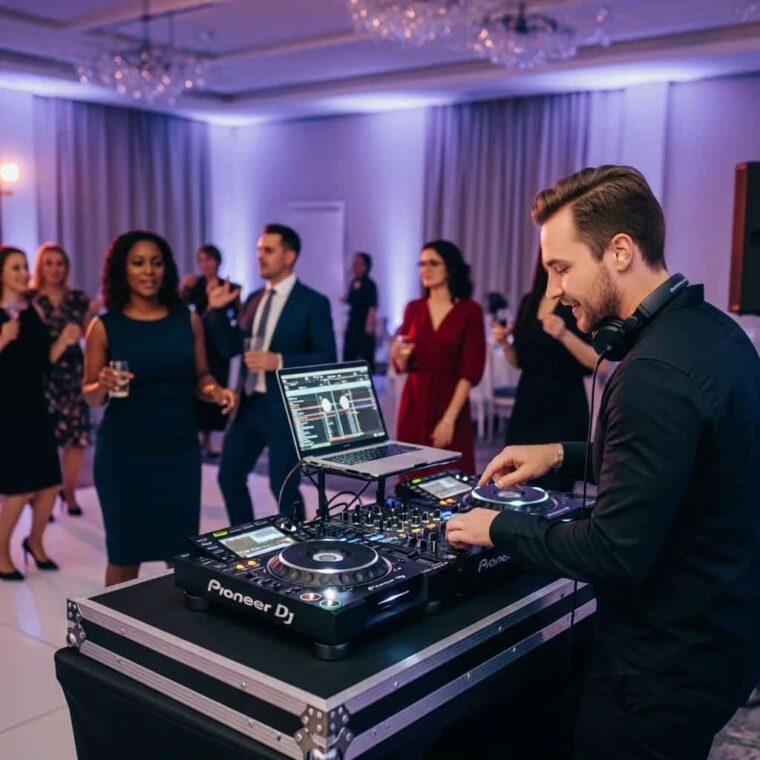

Small Corporate Event DJs for 25–100 Guests — How to Pick the Right Music Experience
Choosing the right DJ for a small corporate gathering can transform the room — making conversations flow, keeping energy balanced, and leaving guests with something to talk about. This guide walks you through what to look for in a DJ who understands corporate culture and intimate crowds. We cover why boutique DJs excel for smaller events, how to pick the right pro, music styles that play well for 25–100 people, and simple planning tips to keep the night smooth and memorable.
Why Choose a Boutique Corporate DJ for Small Group Events?
Boutique corporate DJs specialize in thoughtful, hands-on service for smaller audiences. Rather than a one-size-fits-all approach, they design the music and pacing to match your event’s goals — whether that’s light networking, a client dinner, or an after-hours celebration. That attention to detail helps the event feel intentional and polished, not generic.
The value here is personalization: small-scale services that prioritize guest experience over mass production.
Boutique Hotels: Creating Positive Guest Experiences & Experiential Value
Boutique hotels in Istanbul—like boutique services elsewhere—have shown they can create strong guest experiences and command higher rates. Studying what makes those guest experiences memorable helps reveal the ingredients of experiential value.
Exploring the boutique hotel guest experience, G Cetin, 2015
What Benefits Do Boutique DJs Offer for Intimate Company Parties?
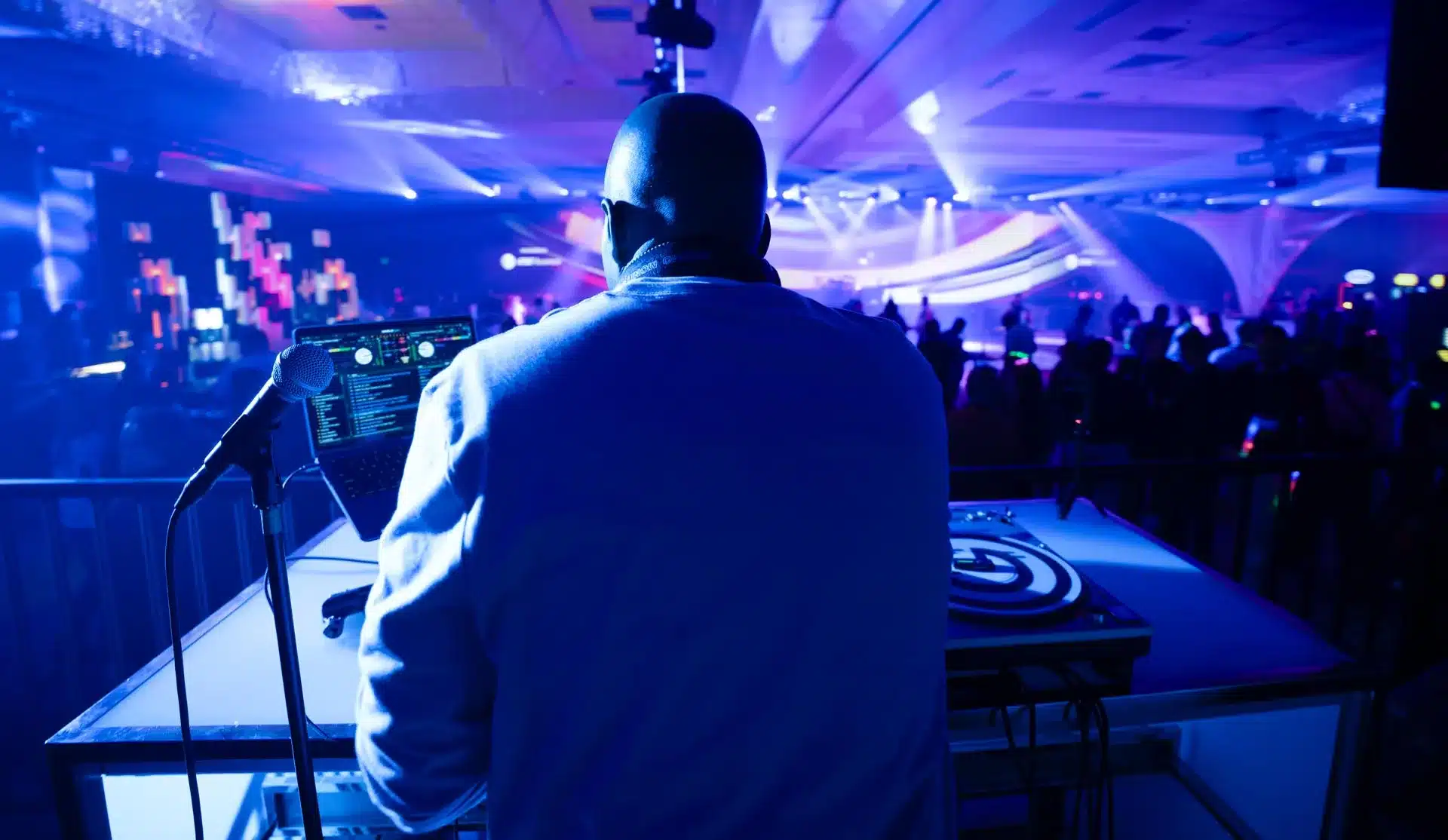
Boutique DJs bring several advantages to intimate company parties. They build playlists that reflect your team and guests, they read the room and shift energy subtly, and they handle transitions—speeches, toasts, or program elements—with professional timing. That combination of curation and crowd-reading keeps your event cohesive without overpowering conversation or the agenda.
How Does a Small Business Event Entertainment Specialist Enhance Your Gathering?
An entertainment specialist who knows small-business events will match music choices to company culture, audience age ranges, and the event format. They’ll cue music for arrivals, keep background tracks appropriate for networking, and bump up the tempo when it’s time to celebrate. In short: they make the entertainment feel effortless and aligned with your objectives.
How to Select the Right DJ for Your Small Corporate Event
Picking the right DJ comes down to fit and reliability. Look for evidence of experience with similar corporate events, listen to sample sets or mixes, read reviews, and confirm what’s included in pricing. A clear conversation up front about expectations, timelines, and equipment prevents surprises on the day.
What Factors Should You Consider When Hiring a DJ for 25-100 Guests?
When hiring a DJ for a small corporate event, consider the following factors:
- Guest Demographics: Match music to the age range and likely tastes of attendees to keep people comfortable and engaged.
- Event Theme: Make sure the DJ understands the event’s tone—formal, casual, celebratory—and can support it musically.
- Budget Constraints: Balance cost with experience and included services (setup, mics, basic lighting) to avoid hidden fees.
Which Music Styles and Equipment Suit Small Corporate Gatherings?
Choosing the right genres and gear matters for a polished sound that doesn’t drown conversations. Common successful choices include:
- Soft Rock: Warm familiarity that works for networking and background listening.
- Jazz: Adds a sophisticated, unobtrusive layer to dinners or receptions.
- Top 40 Hits: When you want broader appeal and the option to get people on their feet.
Essential gear for smaller venues includes a clear, balanced sound system and microphones for speeches. Simple lighting can lift the mood without turning the space into a nightclub. Prioritize sound clarity so conversations stay comfortable and the music enhances, not overloads, the room.
What Music Works Best for Small Corporate Gatherings?
The best music balances atmosphere with flexibility. Use quieter, instrumental or lower-tempo tracks for networking phases and bring in more upbeat selections when it’s time to celebrate or socialize more actively.
How to Curate a Playlist That Engages a Small Audience?
To curate an effective playlist, start with a sense of your crowd’s preferences and mix familiar tracks with a few surprises. Pace the set to match the event flow—softer songs during dinner, rhythmic numbers for post-program mingling—and allow room for a few requests to make guests feel included.
Which Genres and Songs Are Popular for Intimate Company Parties?
Genres that reliably work well include:
- Acoustic Covers: Familiar songs with a relaxed feel that suit conversation-friendly environments.
- Classic Hits: Timeless tracks that cross generations and spark recognition.
- Upbeat Pop: When you want to encourage light dancing or higher energy later in the evening.
Using well-known songs at key moments helps guests connect and keeps the overall vibe friendly and memorable.
How to Plan Entertainment for Small Business Events
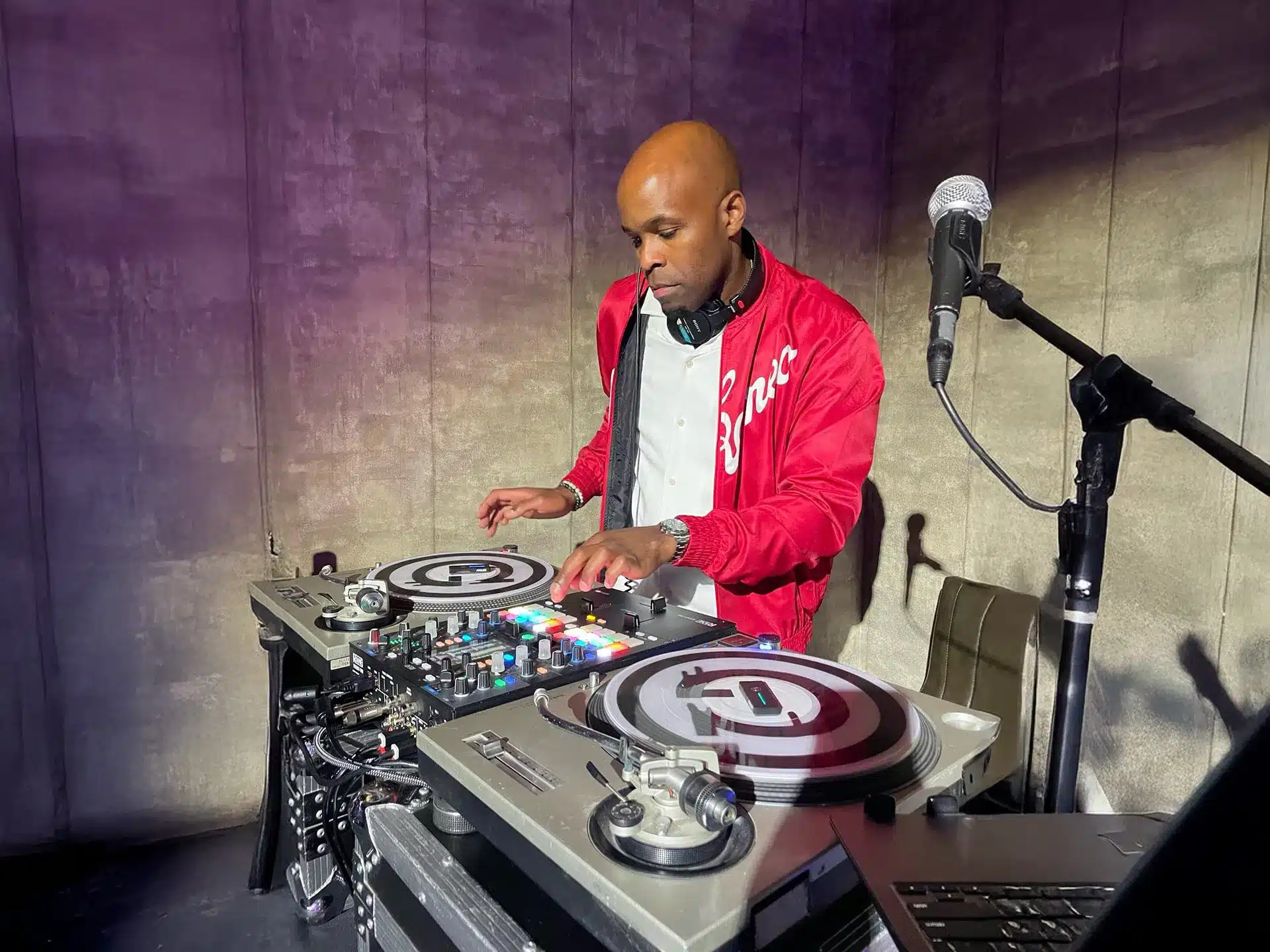
Entertainment planning for small business events is about choosing a mix that supports your goals. A DJ is often the simplest, most flexible option, but pairing music with one or two interactive elements can elevate the guest experience.
Smooth event execution comes from planning every element—from timing to talent—so the entertainment serves the bigger agenda.
Event Coordination: Skills for Corporate Entertainment & Small Events
This resource outlines the full event coordinator toolkit—site selection, budgeting, marketing, risk management, food and beverage, and entertainment—showing how those pieces scale from tiny gatherings to large corporate events.
Professional event coordination, 2012
What Are Effective Entertainment Ideas Beyond DJ Services?
Think beyond a single performer to keep the experience fresh. Good options include:
- Live Bands: For a lively, interactive atmosphere when the budget and space allow.
- Interactive Entertainment: Photo booths, short team games, or live caricature artists can add a playful touch.
- Themed Activities: Simple, themed elements can tie the evening together without overwhelming the program.
How to Coordinate DJ Timing and Event Activities Seamlessly?
Timing is everything. Use these strategies:
- Timing of Music and Speeches: Plan quiet or ambient music pauses for speeches and toast intros.
- Managing Transitions Between Activities: Use subtle music cues to signal shifts in the schedule and keep guests oriented.
- Communicating with the DJ: Share a run-of-show and keep a point of contact available for last-minute changes.
What Are the Advantages of Hiring a Corporate Event DJ for Small Groups?
Hiring a DJ with corporate experience brings reliability, refined timing, and music that supports your event goals. Professionals who specialize in corporate work understand how to be heard without being intrusive and how to navigate the unique flow of business gatherings.
Best practices in live event management ensure the entertainment matches the event’s professionalism and guest expectations.
Corporate Entertainment Management & Live Event Best Practices
This text surveys entertainment management in live settings, drawing on experienced practitioners to define effective approaches for agencies, acts, and corporate events.
Entertainment management: towards best practice, S Moss, 2014
How Does a Professional DJ Elevate the Atmosphere of Intimate Gatherings?
A skilled DJ lifts an intimate gathering by shaping energy, making smart song choices, and keeping transitions smooth. Their experience helps the room feel lively when appropriate and discreet when it’s time for conversation—many clients note how much a great DJ improves the overall flow and guest satisfaction.
What Makes Corporate Event DJs Different from General DJs?
Corporate DJs specialize in business contexts: they understand formal cues, timelines, and the need for professional presentation. They’re practiced at working around speeches, client expectations, and mixed audiences—so the entertainment supports the event’s purpose.
This comparison makes it clear why a DJ who understands corporate gatherings can be a better fit for small business events: they bring purposeful curation and professional reliability.
In short, the right DJ turns a small corporate event from functional to memorable. Consider boutique or corporate specialists when you want a tailored music plan and smooth execution. If you’d like a partner who focuses on intimate events, DJ Graffiti offers experienced DJs and custom packages to match your goals and guest list.
Frequently Asked Questions
What should I look for in a DJ’s experience for corporate events?
Look for DJs who show evidence of similar work: sample playlists, short mixes, and client testimonials from corporate settings. Ask how they handle speeches, timing, and client requests—those answers reveal whether they’ll fit your event’s pace and tone.
How can I ensure the DJ understands my event’s theme?
Be explicit in your briefing: share the event purpose, guest profile, and any must-play or off-limit songs. A good DJ will ask clarifying questions and propose music ideas to support the theme.
What is the typical budget range for hiring a corporate DJ?
Costs vary by location and experience, but for a professional DJ at a small corporate gathering you can typically expect to pay between $500 and $2,000. Confirm what’s included—setup, microphones, travel—and get any extra fees in writing.
How can I incorporate guest song requests into the DJ’s playlist?
Collect requests ahead of time with a short form or allow on-the-spot requests during the event. Tell the DJ which requests to prioritize so they can blend guest favorites with the overall set without disrupting the flow.
What equipment should a DJ provide for a small corporate event?
A professional DJ should bring a reliable sound system, microphones for speeches, and the basic lighting needed for atmosphere. Discuss venue size and any AV needs (projectors, extra speakers) ahead of time to avoid surprises.
How can I evaluate a DJ’s performance after the event?
Gather attendee feedback and review how well the DJ followed the brief: Was the music appropriate? Were transitions smooth? Did they handle announcements and speeches professionally? A quick post-event survey plus your own observations will give you a clear picture.

