
How to Hire a Corporate Event Emcee: A Comprehensive Guide for Informed Decisions
Hiring the right corporate event emcee (master of ceremonies) is crucial for a successful event. An effective host coordinates timing, manages speaker transitions, and keeps audience energy aligned with your event goals, significantly reducing risk and improving engagement. This comprehensive guide empowers event planners to confidently evaluate emcee candidates, understand what questions to ask during vetting, and confirm essential logistics and fees to protect your program.
You will learn the key qualities that separate capable hosts from truly great ones, a prioritized list of interview questions with follow-ups, practical guidance on fees and logistics, and steps to prepare your event so your chosen emcee can deliver measurable impact. We’ll also explore specialized approaches, such as a blended emcee-and-DJ model, and how it can maintain momentum across sessions. Read on for a tactical checklist, evaluation tables that simplify candidate comparison, and ready-to-use prompts you can bring to your next hiring conversation.
What Are the Key Qualities to Look for When Choosing a Corporate Event Emcee?
A corporate event emcee must possess a powerful combination of stage presence, clear communication, and situational awareness to effectively control pacing and keep audiences engaged. These qualities are interdependent: charisma captures initial attention, impeccable timing sustains momentum, and unwavering professionalism protects your brand reputation. Evaluating candidates across these axes significantly reduces the chance of awkward transitions, prolonged dead time, or misaligned messaging that could undermine your event’s objectives. Below is a concise list of prioritized qualities essential for an emcee in a corporate setting.
Indeed, establishing clear criteria is fundamental for selecting an effective event host, as highlighted by industry best practices:
Event planners should use these criteria to structure interview questions and request specific evidence that demonstrates each trait in real-world scenarios. The next subsections break down these professional traits and show how relevant experience amplifies each quality.
Which Professional Traits Make a Great Event Emcee?
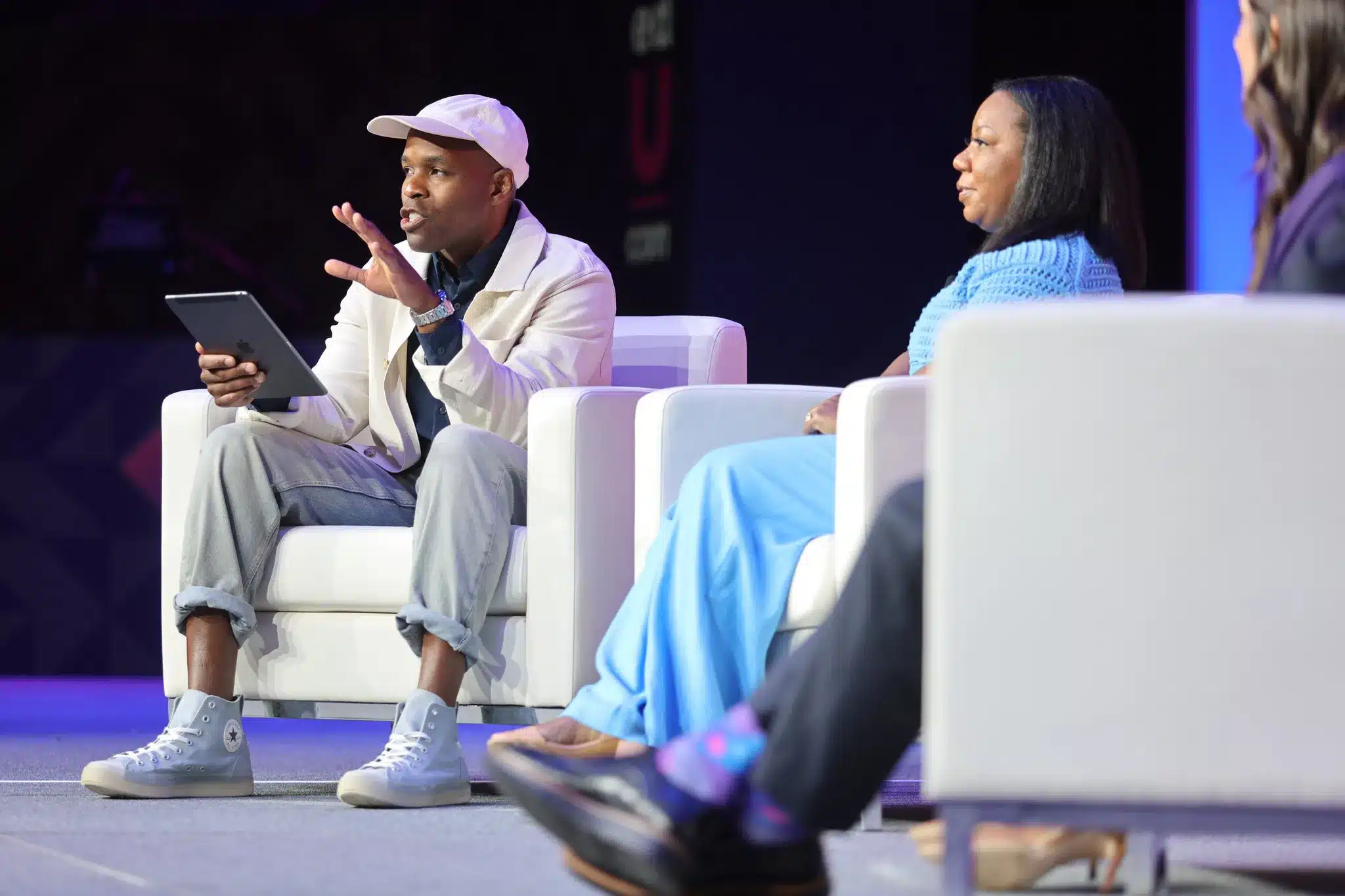
Great emcees consistently demonstrate charisma, adaptability, clarity, pacing skills, and professional reliability; each trait directly affects audience engagement and the overall event flow. Here’s what to look for:
- Charisma: The ability to quickly read a room, build rapport, and connect with diverse audiences. Ask for examples of how they open an event or handle unexpected audience interactions.
- Adaptability & Improvisation: Essential for when schedules slip, speakers run long, or technical issues arise. Ask for specific examples where the emcee gracefully shortened segments or navigated a problem while maintaining high energy.
- Clear Communication: Includes crisp enunciation, appropriate tone, and brand-safe language. Validate this by requesting a recent recording or hype reel, paying attention to their vocabulary and delivery style.
- Timing & Pacing Skills: The emcee’s ability to manage mic handoffs, cue points, and transitions so they feel seamless and natural. Look for references or case notes that highlight tight run-of-show execution.
- Professional Reliability: Encompasses on-time arrival, proactive pre-event coordination, and maintaining composure under pressure. This protects your event’s reputation and ensures predictable outcomes.
How Does Experience Influence Emcee Effectiveness at Corporate Events?
Relevant experience significantly shapes how well an emcee navigates various event formats, audience sizes, and hybrid or virtual elements to achieve your specific objectives. Emcees who have successfully handled conferences, trade shows, award galas, or product launches will understand the different pacing needs for each: conferences require tight session wraps, trade shows demand high-energy booth rotations, and galas call for elegant transitions.
When vetting experience, request specific examples and measurable outcomes. Did an emcee reduce late starts, increase session attendance retention, or improve networking activity? Ask for a hype reel and case study that demonstrate these outcomes, and review client logos or named clients to gauge scale and sector fit. When interpreting a hype reel, look for authentic audience reactions, clear branding, and examples of contingency handling rather than overly produced clips that might hide real-world problem-solving capabilities.
What Essential Questions Should You Ask a Corporate Event Emcee Before Hiring?
Start interviews with targeted questions that reveal how the emcee thinks about event objectives, preparation, and contingencies. Prioritize scenario-based probes and requests for evidence. The right questions expose not only past experience but also their process: how they prepare, how they align with your brand voice, and how they handle surprises. Below is a numbered list of essential questions to ask, each followed by a one-line rationale to help you evaluate responses and spot potential red flags.
- What similar corporate events have you hosted, and what were the measurable outcomes? — This shows relevance, results orientation, and understanding of corporate environments.
- Can you walk me through your preparation process and timeline for an event like ours? — Reveals workflow, brief acceptance, and rehearsal habits. Look for structured, proactive approaches.
- How do you ensure brand voice and sensitive topics are handled correctly? — Tests customization, alignment with corporate messaging, and discretion.
- Describe a major on-site problem you resolved and how you managed audience perception. — Evaluates improvisation skills, calm under pressure, and contingency strategy.
- What materials do you need from us (run-of-show, speaker bios, AV cues) and when should we provide them? — Confirms logistics expectations and lead time. A good emcee will have clear requirements.
- Will you provide a recorded demo or hype reel and client references we can contact? — Validates claims and lets you assess on-stage style and professionalism. Refusal is a red flag.
- What is your fee structure, what does it include, and what are likely add-ons? — Opens transparent pricing and identifies negotiable items. Look for clear, itemized quotes.
- How do you coordinate with AV and production teams to ensure smooth transitions? — Tests technical coordination and experience with tech riders.
- Can you host virtual or hybrid segments, and what platforms or best practices do you use? — Confirms virtual event competence, crucial in today’s landscape.
- What are your arrival, rehearsal, and backup plan timelines on the day of the event? — Checks reliability, punctuality, and contingency readiness.
After this list, use follow-up prompts such as “Give me a recent example” or “Who on your team handled the AV coordination?” to probe deeper and spot red flags like vagueness, unwillingness to share references, or a lack of specific process details. The next element is a comparison table to help you rate answers consistently.
Use this table to score candidates numerically or qualitatively during comparison calls. Understanding how different emcee models operate can also help frame your expectations. For instance, a provider with a blended emcee-and-DJ approach might answer these questions by emphasizing their integrated control over pacing and music cues.
When comparing candidates, check whether their answers match the structure above and whether they can provide case references that demonstrate measurable engagement outcomes. If availability is critical, ask early in the process and confirm timing expectations to secure the right talent.
How Do Fees and Logistics Impact Hiring a Professional Corporate Event Host?
Fees and logistical details determine not just cost but also the degree of service, risk mitigation, and alignment between the emcee and your production team. Common fee models include flat event fees, hourly rates for rehearsals and overtime, and packaged pricing that bundles DJ, emcee, and production support. Logistical considerations such as AV needs, arrival windows, and rehearsal time can increase cost but are essential to reducing on-site failures. The following breakdown clarifies common fee components and what to watch for in quotes.
What Are Common Fee Structures and What’s Included in Emcee Services?
Fee structures vary widely, but transparency in what’s included is the best indicator of value and reliability. Flat fees often cover agreed show times and basic prep, while hourly fees can apply to additional rehearsals or unexpected overtime. Some providers offer packages that include DJing, emceeing, and light production coordination for a bundled price.
When requesting a quote, always ask for an itemized list that clarifies who supplies microphones, monitors, and sound checks, and request a clause that addresses overtime and cancellation terms. Red flags include vague inclusions, no mention of AV coordination, or refusal to provide a simple written rider. Green flags are itemized quotes, clear arrival and rehearsal windows, and documented backup plans.
Use the table below to compare typical fee components, common inclusions, and red flags that require clarification:
After reviewing fee structures, confirm payment milestones, cancellation policies, and whether the emcee carries liability insurance or requires client-supplied insurance details. Clear contractual terms prevent last-minute disputes and protect event budgets and reputation.
Which Logistical Details Should Be Confirmed Before Booking an Emcee?
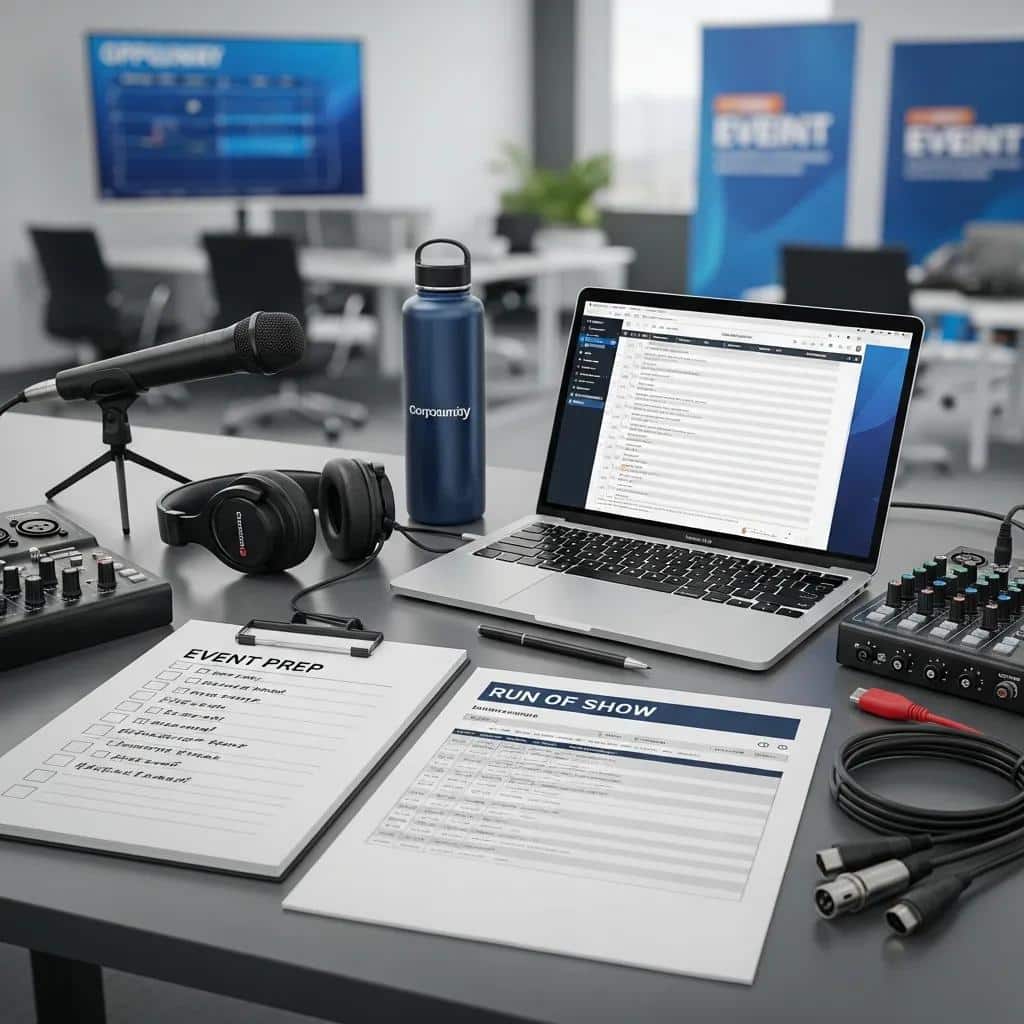
Confirming logistics before booking avoids day-of confusion and keeps the program on schedule. Key items include the final run-of-show, AV rider, arrival and rehearsal windows, dressing/green room needs, and the primary on-site contact. Share your run-of-show early and request the emcee’s cue sheet to validate timing alignment. Confirm whether the emcee needs a monitor mix, in-ear foldback, or specific stage wardrobe requirements. Rehearsal and arrival windows should be explicit in the contract, including who on your team will manage stage handoffs and speaker prep. Finally, ensure the contact hierarchy is clear so production and the emcee can coordinate quickly during unexpected changes.
Below is a concise checklist planners can use to confirm logistics before finalizing a booking:
- Confirmed run-of-show and cue points in writing at least two weeks prior.
- AV rider with mic types, monitor needs, and a point person for sound checks.
- Clear arrival, rehearsal, and call times with a designated on-site contact.
- Backup plan and contingency clauses for speaker no-shows or tech failure.
- Travel and accommodation expectations, if the emcee travels from out of town.
- Dressing room or green room requirements (space, amenities).
Validate these logistics with your production lead and the emcee during the contracting phase to avoid surprises that can increase costs or harm the audience experience.
Considering Specialized Emcee Services: An Example of the Blended Emcee-DJ Model
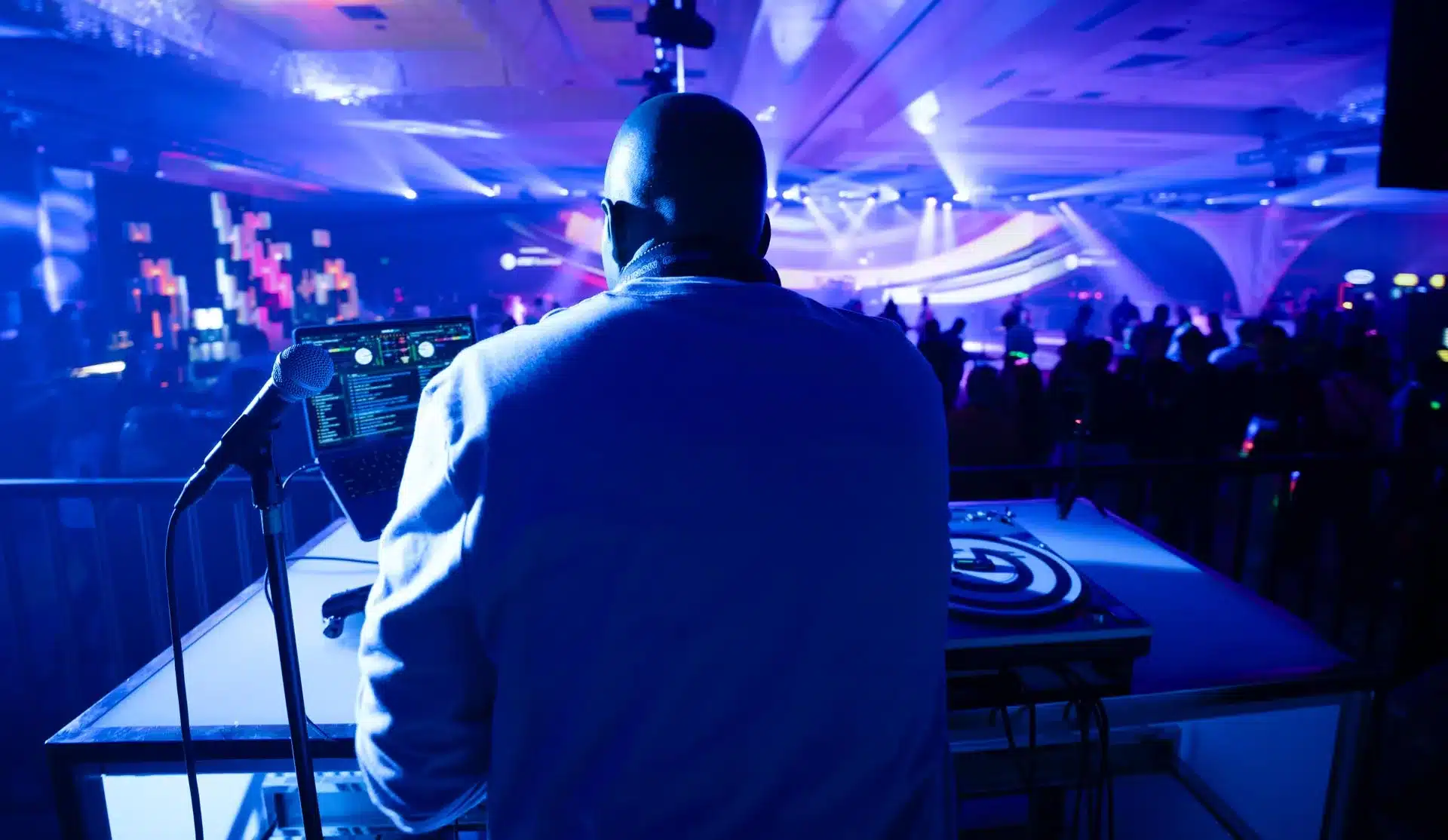
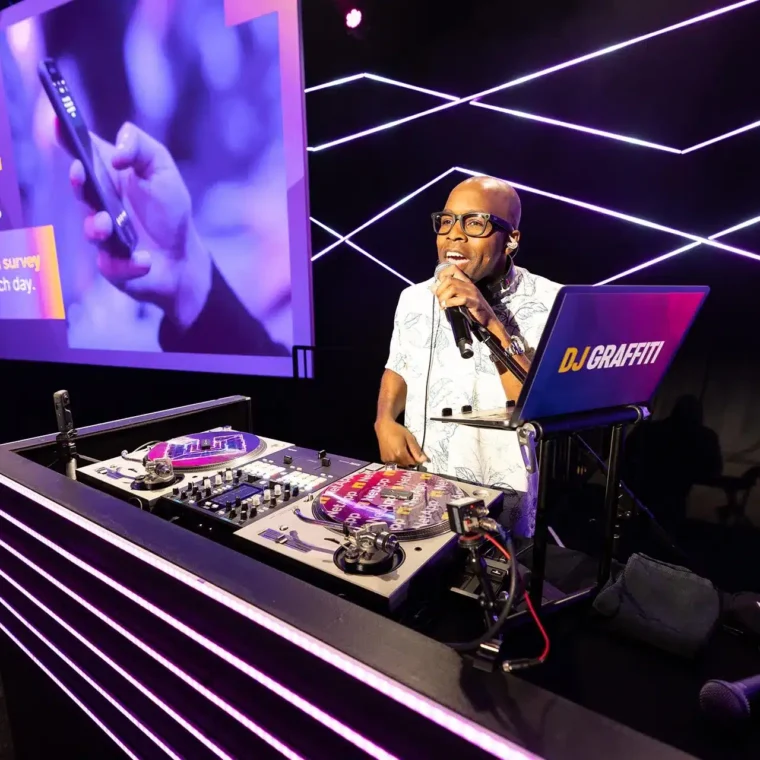
Beyond traditional emceeing, specialized models can offer unique advantages for certain event types. One such model is the blended emcee-and-DJ approach, which many corporate planners seek when they desire seamless transitions and finely controlled audience energy. This approach pairs professional hosting with live music pacing to minimize downtime and maintain momentum across sessions. Providers specializing in this model, such as those offering “The Keynote DJ™” service (an approach exemplified by DJ Graffiti), often position themselves as both experience strategists and on-stage hosts. They emphasize creating inclusive atmospheres and adapting to brand voice, aiming for measurable impact through client testimonials and repeat engagements with recognizable organizations.
Below is a structured mapping of core services and their direct outcomes for this type of blended model, helping you evaluate how it might align with your event goals:
This service model is particularly useful when your program needs an “insurance policy” against dull moments or when you want a single point of contact who manages both entertainment and hosting rhythm. Evaluating providers who offer such models involves reviewing their client roster and testimonial-driven approach to map possible outcomes to your event objectives.
What Makes a Blended Emcee-DJ Service Unique and Beneficial?
A blended emcee-DJ model uniquely controls ambiance, manages momentum between agenda items, and delivers brand-aligned openings that transition into content smoothly. By handling music cues, the emcee can use musical energy to punctuate transitions, quickly re-engage audiences after coffee breaks, and cue applause or networking periods with precision. Typical use cases include conferences that need tight session handoffs, product launches requiring theatrical pacing, and hybrid events where audio cues help focus remote and in-room audiences simultaneously. The direct benefit is fewer dead spots and a coherent audience experience that consistently matches program objectives.
How Do Client Testimonials and Success Stories Demonstrate Impact for Specialized Emcee Services?
Selected client references and summarized case outcomes are crucial for understanding how any specialized emcee approach, such as a blended emcee-DJ model, converts pacing into measurable engagement improvements for clients. For enterprise events, measurable outcomes often include reduced session lag, clearer timing adherence, and positive feedback on event energy from attendees and stakeholders. Summaries that follow a challenge → approach → result pattern are most convincing: for example, a challenge (long session gaps or inconsistent pacing), an approach (a specific pacing strategy + tailored script), and a result (tighter run-of-show, sustained audience attention, positive stakeholder feedback). Reviewing such case summaries helps planners map possible outcomes to their event objectives and set realistic KPIs before contracting.
How Can You Prepare Your Event to Maximize the Impact of Your Corporate Emcee?
Thorough preparation significantly amplifies your emcee’s ability to deliver impact because it clarifies objectives, scripts, and technical needs ahead of time. Essential preparation includes providing a clear run-of-show, concise speaker bios and key messages, brand voice guidance, AV coordination, and rehearsal windows. When your emcee receives all critical inputs early, they can craft transitions that sound authentic and respect brand guidelines, which ultimately increases audience trust and engagement. The next subsections provide a specific checklist for what an emcee needs and explain why integrating DJ and emcee services can further enhance audience engagement.
What Information Does Your Emcee Need From You to Ensure Event Success?
To fast-track alignment and make on-site execution predictable, provide your emcee with a practical checklist of essential information. This includes a final run-of-show with cue points, short speaker bios and phonetic pronunciations, brand dos and don’ts, the preferred event tone and key messages, AV contact details and tech rider, and a primary on-site contact for last-minute decisions. Include timing windows for arrival and rehearsal and note any sensitive topics or speakers requiring special handling so the emcee can prepare appropriate language. Sending these items at least two weeks before the event—and confirming receipt—gives the emcee time to craft a branded script, prepare musical cues, and align with production for seamless delivery.
What follows is a brief checklist you can copy into your planner:
- Final run-of-show with speaker names and exact cue points.
- Short speaker bios and phonetic pronunciations.
- Brand voice guidelines and any prohibited language.
- AV contact details and the emcee’s tech rider requirements.
- Primary on-site contact and rehearsal timing.
- Any sensitive topics or speakers requiring special handling.
Please confirm your chosen emcee’s availability early; if you want to check their schedule, request availability as part of your initial outreach to secure the date.
How Does Integrating DJ and Emcee Services Enhance Audience Engagement?
Integrating DJ and emcee services creates a unified control of energy and timing that standard emceeing alone cannot match, using music and tone to support verbal transitions and signal mood shifts. In practical terms, a professional who manages both roles can time music swells to introduce keynote speakers, use beat drops to re-energize the room after breaks, and soften cues during Q&A to keep conversation flow natural. A before/after scenario clearly shows the difference: before integration, sessions might suffer from awkward silence between speakers; after integration, musical and spoken cues create consistent momentum that keeps attendees present and responsive.
Metrics you might watch include session start punctuality, attendee dwell time, and subjective energy ratings in post-event surveys, all of which can improve when a single professional manages both sonic and verbal transitions. To achieve these outcomes, your emcee (especially if they offer integrated services) will need early access to your run-of-show and goals, a single on-site contact, and clear brand guidance so musical and spoken elements reinforce your objectives. If you want to check date availability or confirm a booking, request availability during your initial vendor outreach to avoid scheduling conflicts.