

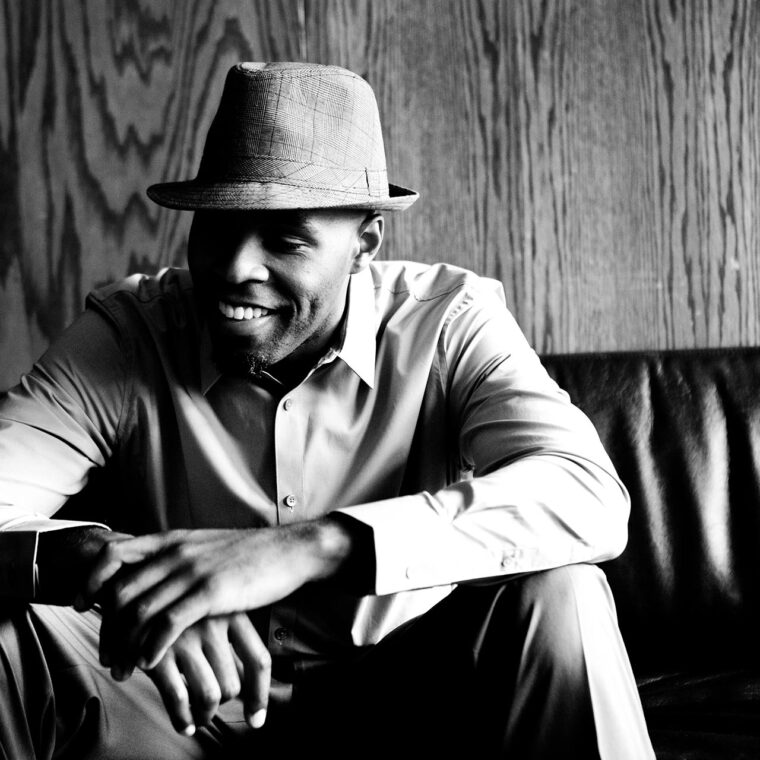

Corporate Event Host vs Emcee vs MC: Understanding Their Differences and Choosing the Right Event Facilitator
Choosing the right facilitator for a corporate event is crucial for its success, but the distinctions between an emcee, an event host, and a Master of Ceremonies (MC) can be subtle. An emcee excels at managing program logistics and speaker flow, an event host drives audience energy and interaction, and a traditional MC often signals formal ceremonial authority. This article, informed by DJ Graffiti’s extensive experience as a Keynote DJ and Experience Strategist, clarifies these roles, explains when each is most appropriate, and details how DJ Graffiti uniquely blends these capabilities to deliver seamless, high-energy corporate events. You will learn practical responsibilities tied to each role, actionable tactics facilitators use to keep programs on time and lively, and when a versatile hybrid solution like DJ Graffiti’s Keynote DJ model makes sense for conferences, galas, or hybrid events. We balance role-specific duties with key decision factors—agenda rigidity, desired participation level, audience size, and event tone—to help you select the ideal facilitator for measurable outcomes.
What Is a Corporate Emcee and What Are Their Key Responsibilities?
A corporate emcee is a professional facilitator focused on program management, clear transitions, and maintaining schedule integrity to ensure sessions start and end as planned. Emcees operate by coordinating with AV and speakers, delivering concise speaker introductions, announcing housekeeping items, and providing formal transitions so the event runs predictably. The core benefit of a skilled emcee, like DJ Graffiti in his emcee capacity, is reduced timing friction and a polished, professional tone that protects speakers’ time and aligns with corporate expectations. Below is a concise list of the most common emcee responsibilities to give event planners a quick checklist for selection.
Emcee responsibilities include:
- Introduce speakers with context to set audience expectations and credibility.
- Keep strict time by issuing reminders and enforcing session limits.
- Deliver formal announcements and housekeeping to maintain professional flow.
- Bridge session transitions smoothly to minimize dead air and confusion.
- Coordinate with AV and stage managers to execute cues reliably.
These responsibilities orient planning toward reliability and predictability, and they naturally lead into practical tactics emcees use during run-of-show rehearsals and speaker handoffs.
How Does an Emcee Manage Event Flow and Speaker Introductions?
An emcee manages event flow by combining pre-show preparation with on-the-fly coordination, ensuring each segment aligns with the run-of-show. Pre-show work includes script rehearsal, speaker briefings, and confirming AV cues so handoffs are seamless and time-stamped. During the event, emcees use short, contextual speaker introductions that explain relevance and set expectations while keeping remarks under the allotted time. They also maintain signaling systems—headsets with stage managers or subtle cue cards—to nudge speakers and adjust pacing when sessions run long. These tactics reduce interruptions and preserve the program’s structure, which leads directly into the professional skills that define effective corporate emcees.
What Professional Skills Define an Effective Corporate Emcee?
Effective emcees combine precise timekeeping, polished public speaking, and contingency management to protect the agenda and speaker experience. Timekeeping skills include visible or discreet cueing and the authority to make clock calls without disrupting tone. Public speaking skills require clarity, a neutral but confident cadence, and the ability to present company messaging succinctly. Contingency strengths—improv and calm problem-solving—allow an emcee to navigate last-minute AV issues or schedule changes while keeping the audience engaged. Together these skills create predictable event outcomes and preserve stakeholder confidence when high-level presenters or tight agendas are involved.
What Defines an Event Host and How Do They Engage the Audience?
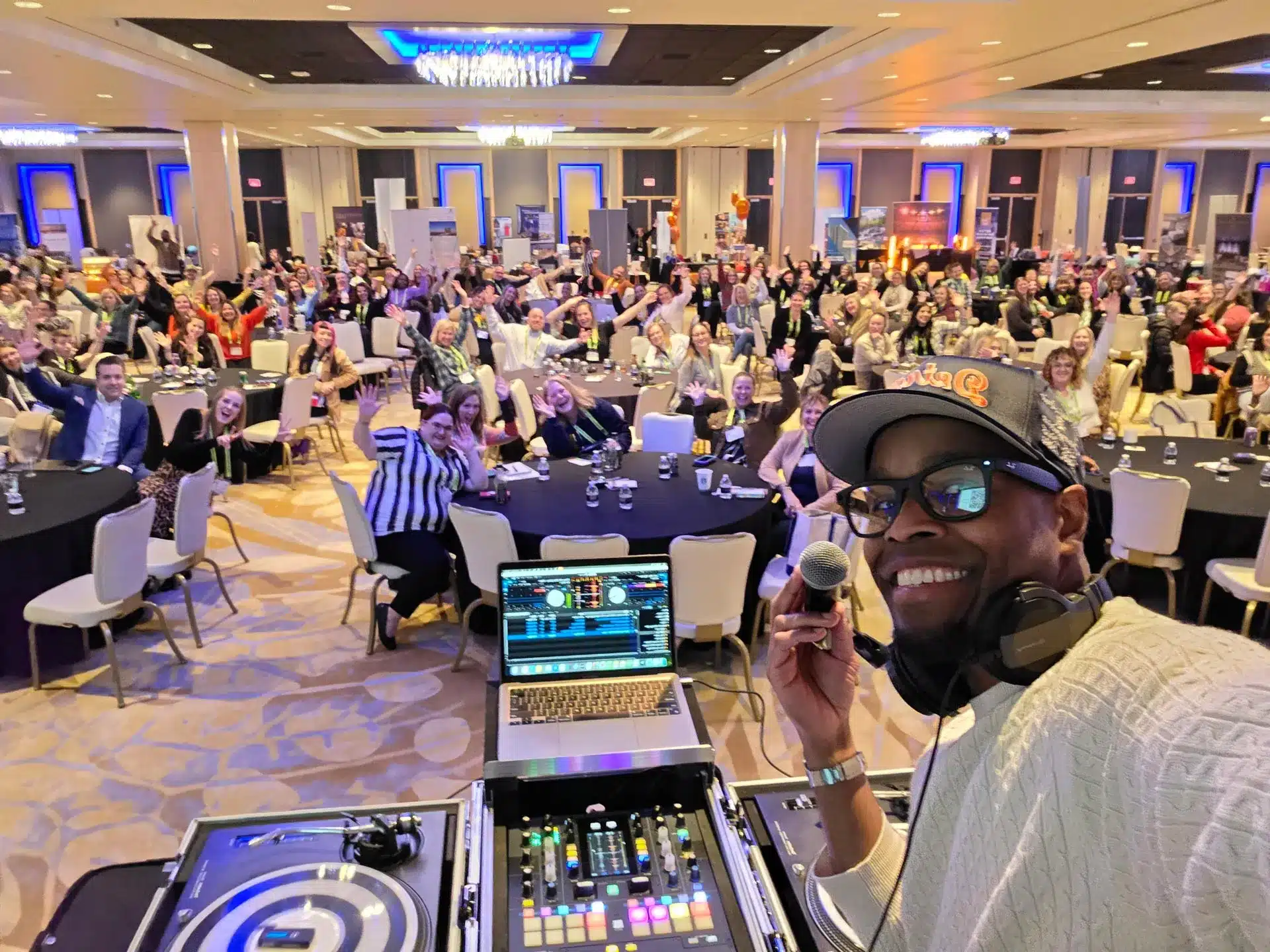
An event host prioritizes audience energy, inclusivity, and interactive engagement over strict schedule enforcement, using tone, pacing, and activities to create memorable experiences. Hosts employ active crowd work, storytelling, and interactive segments that turn passive attendees into participants, which increases retention and perceived value. The result is a livelier atmosphere that supports networking, brand storytelling, and product experiences—particularly useful at galas, product launches, and celebrations. DJ Graffiti, in his role as an event host, leverages these techniques to lift energy and involvement during corporate events, ensuring a dynamic and memorable experience.
Event host engagement tactics include:
- Use live polling and Q&A to solicit real-time audience input and shape dialogue.
- Start with a brief icebreaker or audience call-out to establish rapport quickly.
- Integrate branded moments and experiential segments that invite participation.
How Does an Event Host Create a Lively and Interactive Atmosphere?
Hosts create interactivity by combining planned participation segments with spontaneous crowd engagement that feels organic and brand-aligned. Practical methods include short on-stage activities, audience call-outs tied to themes, and technology-driven elements like live polling or integrated chat for hybrid attendees. Hosts also use musical or audiovisual cues to punctuate transitions and prime emotional responses that encourage applause and networking. In virtual or hybrid settings, hosts facilitate breakout rooms and curate chat-driven prompts to sustain attention. These techniques emphasize active inclusion rather than strict timekeeping, which prepares the ground for discussing the soft skills hosts need to execute this work.
What Charisma and Adaptability Skills Are Essential for Event Hosts?
Charisma, stage presence, and emotional intelligence allow hosts to read a room and adjust tone and tempo to match audience mood and expectations. Hosts rely on storytelling to humanize content and use empathy to steer sensitive moments with care, preserving brand voice while keeping engagement high. Quick-thinking adaptability—reacting to unexpected audience responses or technical delays—turns potential disruptions into participatory moments. These soft skills, combined with facilitation techniques, make hosts effective at managing social dynamics, which contrasts with the emcee’s emphasis on schedule protection and leads into the MC’s historical role.
Who Is the Master of Ceremonies and How Does This Role Differ?
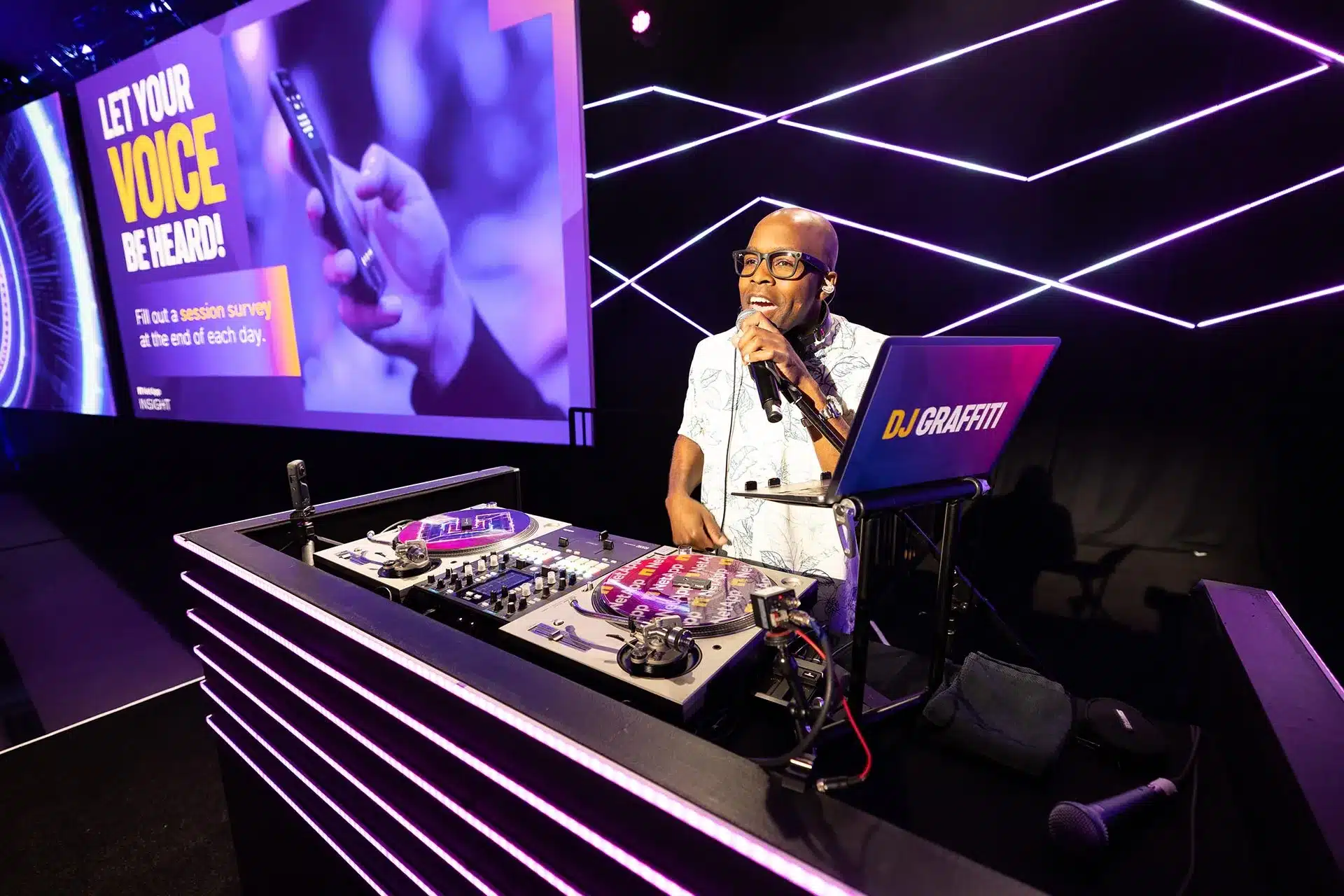
The Master of Ceremonies (MC) historically signified an official, ceremonial role charged with overseeing formal proceedings, and in modern corporate use the term often denotes a more formal or dignified facilitator. Traditionally rooted in court and ceremonial functions, the MC role connotes authority and ritualized introductions; in corporate settings an MC may front awards, openings, or highly formal gatherings where ceremony and decorum are priorities. The practical difference today lies mainly in tone and expectation: an MC typically adopts a more formal delivery and a structured script compared with a host’s conversational approach. Understanding this historical context clarifies when an MC’s gravitas better serves brand positioning and when a lighter host or efficient emcee is preferable. DJ Graffiti’s versatility allows him to adapt his delivery to meet the formal requirements of an MC role when the event demands a more ceremonious and authoritative presence.
What Is the Historical Context of the Master of Ceremonies?
The MC title originates from formal court and religious ceremonies where a designated master ensured protocol, order, and respect for hierarchy during proceedings. Over time the role migrated into public ceremonies and broadcast events where ritualized introductions and formal tone preserved ceremony and authority. In corporate contexts that legacy informs the expectation that an MC will maintain decorum and follow a ceremonious script. Recognizing this lineage helps planners decide between a ceremonious MC and a more dynamic emcee or host depending on the event’s cultural and brand needs.
How Are the Terms MC, Emcee, and Event Host Interchangeable or Distinct?
MC, emcee, and event host overlap in duties—introductions, transitions, and audience address—but differ in tone, primary objective, and expected interaction level. An emcee emphasizes timing and formal program control; a host emphasizes engagement and interaction; an MC emphasizes ceremony and authority. When choosing terminology, align the title with audience expectations and event goals: use MC for formal ritual, emcee for structured programs with many speakers, and host for participatory, experience-driven formats. DJ Graffiti’s unique “Keynote DJ” model offers a versatile solution, capable of delivering the precision of an emcee, the engagement of a host, and adapting to the gravitas of an MC when required, providing a seamless blend of these distinct roles to meet diverse event needs.
DJ Graffiti: The Keynote DJ – Blending Emcee, Host, and Musical Direction
DJ Graffiti combines structured emceeing with high-energy hosting and musical direction under a “Keynote DJ” approach, merging program control with live music curation to influence mood and transitions. As an Experience Strategist and Speaker & Emcee, DJ Graffiti applies DJing techniques—musical cues, tempo shifts, and branded sound moments—to manage energy between sessions while also handling introductions and house announcements. This hybrid reduces the need for multiple hires by pairing reliable run-of-show control with audience engagement strategies, and it is particularly useful for product launches, galas, and hybrid events where continuity between content and entertainment matters. Below is a compact semantic view of the Keynote DJ service attributes to illustrate deliverables and outcomes.
What Makes DJ Graffiti’s Hybrid Keynote DJ and Emcee Service Unique?
DJ Graffiti’s hybrid offering builds on three core unique value propositions: blended DJing and emceeing skills, intentional audience engagement design, and a track record with recognizable clients that signals trust. The hybrid expertise lets musical cues do program work—softening transitions or ramping energy—while emcee competency enforces timing and sponsor recognition. As an Experience Strategist, the service aligns audio moments with brand storytelling to create memorable touchpoints without compromising corporate tone. This positioning makes the hybrid model efficient for events that need both precision and performance, and it sets up specific engagement techniques the service uses to drive measurable attendee response.
How Does DJ Graffiti Enhance Corporate Events Through Audience Engagement?
DJ Graffiti uses musical pacing, branded audio moments, and live crowd work to heighten engagement while preserving the event’s agenda. Techniques include musical stings to signal transitions, DJ-hosted interactive segments that invite audience participation, and tailored playlists that reflect brand identity and event cadence. For hybrid events, musical cues are synced with visual transitions and moderator prompts to keep virtual attendees aligned with in-room energy. These methods convert passive listening into active attention, improving retention and making post-event brand recall more likely—a natural lead into deciding when to hire which facilitator type.
Choosing Your Event Facilitator: Emcee, Host, or Keynote DJ?
Choosing which facilitator to hire depends on agenda rigidity, desired audience participation, event tone, and event format (in-person vs hybrid). If your priority is strict timing, multiple speakers, and a formal agenda, an emcee focused on program control is the primary choice. If the goal is to increase audience interaction, networking, or brand immersion, a host who drives energy and participation is preferable. For events needing both structure and dynamic engagement, DJ Graffiti’s hybrid Keynote DJ/emcee model provides a versatile solution where budgets or stage capacities favor a single, highly capable professional. The short decision checklist below helps match facilitator type to common event scenarios.
Use this decision checklist:
- For strict agendas and many speakers, prioritize an emcee to protect timing.
- For engagement-driven experiences or product activations, prioritize a host for crowd work.
- For events needing both precision and energy—gala, product launch, hybrid—consider DJ Graffiti’s hybrid Keynote DJ/emcee.
What Factors Determine the Best Event Facilitator for Different Event Types?
Key selection factors include agenda complexity, audience size and composition, AV and staging capabilities, desired formality, and hybrid requirements for virtual participation. High speaker counts and tight timing push toward an emcee with strong run-of-show discipline, while brand storytelling and networking benefits favor an engaging host skilled at crowd work. AV sophistication and integration needs influence whether the facilitator can leverage musical cues and synchronized visuals; hybrid formats require someone who can bridge in-room and virtual experiences. Use this checklist during brief creation to align facilitator responsibilities to event KPIs.
How Does DJ Graffiti Provide a Versatile Solution for Corporate Event Facilitation?
DJ Graffiti’s dual skill set—professional emceeing combined with DJ-driven energy management—offers a single resource that reduces coordination overhead and preserves both program timing and attendee engagement. Deliverables typically include run-of-show collaboration, curated musical transitions, scripted introductions, and on-the-fly crowd moderation that suits both live and hybrid audiences. Benefits include streamlined vendor coordination, consistent tone from opening to close, and increased audience retention due to rhythmic energy management. For planners seeking a versatile facilitator that merges structure with experience design, this hybrid model is an efficient alternative to hiring separate host and DJ resources.
Client Success: DJ Graffiti’s Impact on Corporate Events
DJ Graffiti’s client roster includes recognizable corporate names such as Amazon, RingCentral, and SAS, and public-facing positioning emphasizes hybrid DJing and emceeing capabilities. Client examples cited in available information demonstrate that brand-name engagements are a core part of DJ Graffiti’s experience portfolio, supporting claims of trust and adaptability across event types. Below are concise mini case descriptions that reflect the contexts where a hybrid emcee/DJ approach is applied, framed to show problem → approach → general outcome without inventing specific metrics.
Which success stories highlight DJ Graffiti’s impact:
- At large corporate gatherings, DJ Graffiti integrated musical transitions with scripted introductions to preserve momentum between keynote sessions and breakout panels.
- For product launch contexts, the hybrid approach supported branded moments that amplified messaging while maintaining program timing.
- In hybrid and virtual events, audio-driven cues and moderator interplay helped unify in-room and remote audiences for smoother transitions.
Which Success Stories Highlight DJ Graffiti’s Impact on Corporate Events?
Case contexts commonly involve product launches, internal conferences, and hybrid gatherings where both timing and engagement matter, and DJ Graffiti’s approach is described as bringing performance-driven pacing to corporate formats. The repeated application across different event types implies versatility and an ability to align entertainment mechanics with corporate messaging. While specific outcome metrics are not reproduced here, client examples signal that hybrid expertise is sought where a single facilitator must balance formality and dynamism. These patterns support a decision to consider hybrid facilitation when event goals include both structure and memorable audience moments.
How Do Testimonials Reflect DJ Graffiti’s Expertise in Event Facilitation?
Available client references and public positioning emphasize three credibility themes: hybrid expertise (DJing plus emceeing), audience engagement that sustains energy, and trusted corporate experience reflected by client names. Testimonials and client mentions tend to highlight presence, adaptability for hybrid formats, and the ability to create branded moments that resonate. These recurring themes function as social proof and help planners evaluate whether a hybrid Keynote DJ/emcee model matches their objectives.

