

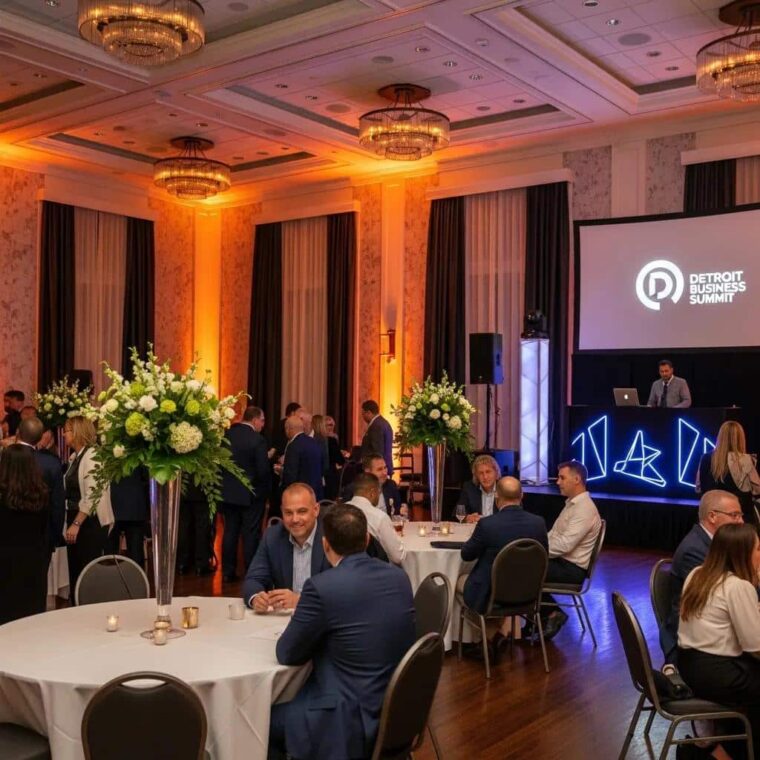

The Keynote DJ™’s Definitive Guide: Detroit’s Premier Corporate Event Venues & Unforgettable Business Experiences
As The Keynote DJ™, I’ve personally orchestrated countless unforgettable business experiences across Detroit’s most iconic venues. Corporate event planners searching for the best Detroit corporate event venues and professional entertainment need clear comparisons, venue-specific logistics, and practical vendor guidance to produce memorable business outcomes. This guide, informed by my extensive experience, explains how downtown Detroit corporate venues and metro Detroit event locations differ by capacity, AV readiness, and atmosphere. It shows how pairing the right space with an experienced corporate event entertainment partner like myself preserves attendee engagement and drives meeting objectives. Organizers will learn actionable venue selection criteria, production checklists, and regional venue types (industrial, historic, waterfront, hotel ballrooms, and rooftops) plus concrete recommendations for hiring a corporate event DJ in Michigan. I’ll also outline current trends such as hybrid programming and experiential activations, supply hiring checklists, and include EAV tables to let planners compare capacities, AV specs, and DJ-friendly features quickly. Read on for venue lists optimized for quick decision-making, technical questions to ask venue managers, and my step-by-step guidance on hiring a corporate DJ who can also serve as an experience strategist for conferences, virtual events, and tradeshows.
The Keynote DJ™’s Top Picks: Best Corporate Event Venues in Downtown Detroit
Downtown Detroit offers a range of corporate event venues that combine central access with flexible layouts, making them ideal for conferences, awards galas, and client receptions. Having performed in virtually all of them, I can attest that these downtown Detroit corporate venues vary by capacity, architectural character, and AV readiness, and each type supports distinct event goals such as keynote presentations, networking receptions, or product unveilings. Choosing a downtown venue means balancing attendee flow, stage sightlines, and load-in logistics so entertainment partners like myself can deliver seamless sound and transitions. The following curated list highlights top venue types with capacity bands and my one-line note on DJ/AV friendliness to help planners prioritize options quickly. Review the short comparison table for a side-by-side view of capacity, in-house AV capabilities, and DJ-friendly attributes before booking.
The best downtown venues at a glance, from my perspective:
- Large Ballrooms (500–1,500 capacity): Designed for keynotes and galas; strong rigging points and in-house lighting; I find these highly DJ-friendly with ample stage areas for emceeing.
- Historic Theaters (300–900 capacity): Dramatic sightlines and mature acoustics; better for seated programs and awards presentations where I can control sound staging precisely for maximum impact.
- Rooftop & Waterfront Spaces (150–400 capacity): Scenic networking backdrops; require careful weather and outdoor AV planning; ideal for reception-style events where I can craft ambient DJ sets.
- Hotel Meeting Floors & Conference Centers (50–600 capacity): Turnkey production options with integrated AV; efficient load-in, but always check vendor policies for external DJs like myself.
These venue types set the stage for choosing sound systems, placement, and production partners that match event goals. Next, a concise table compares representative downtown options for capacity, AV readiness, and DJ-friendliness to streamline shortlisting.
Different downtown venue features, capacities, and DJ-friendly notes for quick comparison:
This table helps planners match expected attendance and program type to venue capabilities, and prepares teams to ask informed AV and logistics questions. Use these comparisons as a starting point for site visits and tech walk-throughs. My venue-specific tips for downtown sites can help planners anticipate load-in, soundcheck time, and stage placement; my experience with conference-style DJ approaches often proves invaluable when venues require a mix of music, emceeing, and speech transitions. Planners looking to align venue selection with entertainment pacing should consider those venue-DJ synergies before finalizing contracts.
Which Venues Offer Unique Features for Corporate Gatherings? (The Keynote DJ™’s Perspective)

Unique downtown venues amplify corporate messaging by using architecture, views, or historical character to create memorable experiences that support networking, presentations, and brand storytelling. Historic theaters provide a curated theatrical atmosphere and built-in sightlines that make keynote presentations feel cinematic, while waterfront venues offer outdoor reception space that naturally encourages attendee mingling and informal networking. Industrial lofts with exposed trusses and high ceilings enable immersive experiential activations and product demos, but they often require supplemental sound treatment and rigging points for lighting, meaning production coordination becomes essential. From my experience, each unique feature should be evaluated for how it impacts AV placement, crowd flow, and my ability to mix live without interfering with presenter microphones or broadcast feeds.
This shift towards distinctive locations reflects a broader trend in corporate event planning, as attendees increasingly seek experiences beyond conventional settings.
Evolving Corporate Event Venue Preferences
People are tired of hotel meeting spaces and they are ready for something more. Lofts and creative spaces are becoming more popular. (Solaris, 2015), (Wynant, 2015)
Planners should prioritize venues that balance character with practical production considerations, then confirm those details during a site visit. Understanding how a space’s features affect staging and sightlines helps event teams craft layout plans that support both speeches and entertainment. My expertise ensures that the unique character of your chosen venue is enhanced, not hindered, by the entertainment. The next section outlines how capacity and layout choices map to event type and DJ placement.
How Do Venue Capacities and Layouts Suit Different Event Sizes? (Insights from The Keynote DJ™)
Matching venue capacity and layout to event type ensures that programs run smoothly and that entertainment elements—like my DJ sets and emceeing—deliver intended engagement without acoustic or sightline problems. Small boardroom and breakout spaces (20–100 attendees) suit intimate workshops and panels where background music is minimal and my role is mostly transitions and ambient cues. Mid-size banquet or reception layouts (100–400) work well for networking events and awards nights; I always position near the stage with monitors to support emcee duties and maintain clear sightlines for presenters. Large theater or ballroom formats (400+) require professional front-of-house sound systems and distributed fills, and I coordinate closely with house engineers to avoid feedback and ensure consistent audio for keynote sessions and streaming feeds.
- For small events, I place my setup unobtrusively near entrances to encourage networking.
- For mid-size receptions, I prioritize a central stage or elevated riser for visibility and mic mixes.
- For large-scale conferences, I always recommend booking a dedicated FOH engineer and allocating ample time for full-stage soundchecks.
Choosing the right layout reduces last-minute technical issues and supports seamless transitions between speaker segments and entertainment programming. With layout decisions in hand, planners can better evaluate production needs and vendor coordination, knowing I’m prepared for any setup.
The Keynote DJ™: Elevating Your Detroit Corporate Event
I, DJ Graffiti, known as The Keynote DJ™, bring a combined skill set of emceeing, high-energy music programming, and experience strategy that specifically addresses the challenges of keeping corporate audiences engaged. My role integrates music curation with event pacing to create clear transitions between presentations, networking, and celebration segments, reducing downtime and maintaining momentum. As a DJ with extensive experience working alongside major brands and artists in Detroit’s top venues, I understand how to tailor playlists and on-mic timing to corporate tones while also managing virtual event audio needs for hybrid audiences. When planners require a single entertainment partner who can also guide program flow and audience engagement decisions, an experience strategist like myself provides that operational and creative bridge.
This section outlines what The Keynote DJ™ delivers and includes short case-style examples showing how an experience strategist improves outcomes. Read the follow-up subsections for conference-specific duties and music personalization processes.
What Makes The Keynote DJ™ Ideal for Corporate Conferences?
My role as The Keynote DJ™ centers on smoothing the line between program content and entertainment by providing professional emceeing, music-to-speech transitions, and audience engagement tactics tailored to conference pacing. In practice, that means I coordinate closely with AV teams to queue music beds for session transitions, introduce speakers with tone-appropriate energy, and adjust volume and tempo in real time based on room dynamics. For example, during a product launch, I can punctuate reveal moments with synchronized music hits and then transition into a softer networking mix to encourage conversation. This combination reduces dead air, supports timing adherence, and preserves a polished brand voice across multiple sessions.
Planners seeking stronger session flow should prioritize DJs who can serve as both on-mic talent and technical coordinators; my approach ensures seamless conference experiences every time.
How Does The Keynote DJ™ Personalize Music to Elevate Event Atmosphere?
My personalization begins with a structured client briefing to identify brand tone, attendee demographics, and program objectives, followed by curated playlists and mixing strategies that align with each agenda segment. As an experience strategist, I collect stakeholder input, audience expectations, and key moments (awards, product reveals, networking windows) and map music energy curves to the schedule so that tempo and intensity build and release at planned intervals. For a formal awards dinner, I may choose subtler, orchestral-tinged mixes during seated portions and then shift into upbeat, dance-forward tracks for the after-party segment. For hybrid or virtual sessions, my mixing decisions prioritize clear vocal presence and a separate feed for streaming to avoid audio bleed.
This hands-on tailoring ensures music supports brand messaging and attendee experience rather than competing with it, and it sets clear expectations for AV coordination and on-site soundchecks.
Where to Find Unique Corporate Event Venues Across Metro Detroit? (The Keynote DJ™’s Guide)
Metro Detroit expands options beyond downtown with industrial, historic, waterfront, and suburban retreat venues that serve different corporate objectives and budgets. These Michigan corporate event locations offer distinctive backdrops—converted factories for immersive product launches, restored theaters for theatrical presentations, and conference centers in suburban hubs for executive offsites—allowing planners to select venues based on audience travel patterns and desired atmosphere. Each regional cluster comes with production trade-offs such as transportation logistics, load-in windows, and in-house AV capabilities, and understanding those differences helps planners secure the right support services early. Below are categorized recommendations by venue type and region to help planners broaden their shortlist, all informed by my extensive work in these spaces.
This regional breakdown clarifies where planners should look based on event goals, and the next subsection lists top industrial and historic venue examples with my DJ/AV notes.
What Are the Top Industrial and Historic Venues for Memorable Events? (The Keynote DJ™’s Insights)
Industrial lofts and converted factories create raw, flexible canvases for branded experiences and product demonstrations, with high ceilings and open floorplates that work well for immersive staging and experiential activations. I’ve found these spaces often require supplemental truss and distributed audio, which I’m adept at integrating. Historic theaters and ballrooms deliver built-in drama and acoustic character well suited to keynote presentations, awards ceremonies, and seated dinners where sightlines matter. When choosing between these options, consider rigging points, power availability, and stage sightlines; industrial spaces frequently need supplemental truss and distributed audio, whereas historic venues often have fixed stage configurations that require speaker fill solutions. These venue types can host everything from large-scale product reveals to intimate executive workshops, depending on their capacity and amenities, and I’m prepared for them all.
Selecting the right venue character supports the event narrative and influences production scope, which leads to the next section focused on how venues support entertainment and AV needs contractually.
How Do These Venues Support Professional Entertainment and AV Needs? (The Keynote DJ™’s Perspective)
Many metro Detroit venues offer in-house production teams or preferred-vendor lists that simplify coordination but may restrict outside provider choices, so planners must confirm external DJ policies, available inputs, and audio patching during contracting. Key items I always verify include FOH mixing console access, microphone counts, monitor mixes, stage dimensions, rigging points, and whether the venue provides a dedicated production manager for load-in coordination. When venues allow external AV vendors, confirm insurance requirements and load-in windows; when they require in-house tech, obtain clear pricing and scope for additional services like monitor mixes or streaming feeds. A formal production rider and timeline in the contract reduces surprises and ensures entertainers and presenters have the required signal paths, which I always provide.
Confirming these AV and contract details early avoids scope creep and ensures I, and other production teams, can deliver reliable sound and streaming quality. The following section outlines core considerations planners should ask about when vetting venues.
The Keynote DJ™’s Essential Checklist: Choosing Detroit Corporate Event Venues
Selecting Detroit business event spaces requires a practical checklist that links venue attributes—capacity, acoustics, AV capabilities, accessibility—to measurable event outcomes such as attendee engagement, on-time programming, and broadcast quality. Good venues align floorplan flexibility with technical infrastructure so that sound, lighting, and staging support both speeches and entertainment without compromise. The checklist below helps planners extract the right information during site visits and RFPs so that entertainment partners like myself can be scheduled, contracted, and briefed with full technical context. After the checklist, a compact EAV table maps common considerations to venue questions and why each matters for DJs and production.
Key considerations to evaluate, from my experience:
- Capacity and layout flexibility to match your expected attendance and program format.
- AV specs and available input channels for streaming, microphones, and my DJ systems.
- Acoustics, sightlines, and stage sighting to ensure presentations and music are clear.
- Accessibility, parking, and transit options for executive and large group arrivals.
- Vendor policies, insurance requirements, and load-in/out window constraints.
These items guide negotiation and ensure event pacing and entertainment quality remain predictable. The following table connects these considerations to specific questions to ask venues and their importance for entertainment, especially for The Keynote DJ™.
Use this table during site vetting to extract actionable production details and to prepare riders or technical scopes. Next, the subsections unpack acoustics and access in more depth so planners can prioritize checks during walkthroughs.
How Do Acoustics and AV Capabilities Impact Event Success? (The Keynote DJ™’s View)
Acoustics and AV capabilities are central to attendee comprehension and entertainment quality; poor reverberation or inadequate PA systems reduce speech intelligibility and diminish the impact of musical moments. I always evaluate acoustic red flags such as hard reflective surfaces, high glass façades, and lack of absorptive baffles, since these require supplemental treatment or specific speaker configurations. Request technical specs including the mixing console type, available XLR/TRS inputs, monitor mixes, and line-level outputs for streaming. Always schedule a timed sound check and ask about FOH staffing so that I, as the DJ, emcees, and keynote speakers have separate monitor mixes and consistent front-of-house control.
Addressing these AV issues early prevents program delays and preserves the intended attendee experience. With AV under control, the next subsection examines accessibility and parking logistics that also influence event timing and guest satisfaction.
Why Are Accessibility and Parking Essential for Corporate Events? (The Keynote DJ™’s Logistics)
Accessibility and parking impact attendee punctuality, the comfort of VIPs and guests with mobility needs, and the feasibility of tight production schedules; limited parking can delay load-in and increase the need for coordinated shuttle or valet services. When evaluating Detroit corporate event venues, confirm the number of available parking spaces, nearby transit options, accessible entrances, and freight elevator availability for my production gear. Negotiate load-in/out windows that align with other events in the building and secure reserved spaces for trucks during setup to avoid delays. Consider alternatives such as off-site parking with shuttle service or contracted valet if on-site capacity is insufficient.
Planning for these logistics reduces day-of friction and supports on-time programming, which in turn preserves the schedule I, as the DJ, and presenters rely on. The next major section covers how to hire the right corporate DJ in Michigan for your event.
Hiring The Keynote DJ™: Your Guide to Unforgettable Corporate Entertainment in Michigan

Hiring the right corporate event DJ requires evaluating technical ability, emceeing experience, production coordination skills, and cultural fit with your brand and audience. My structured hiring checklist helps compare candidates and confirm contractual protections such as backup equipment, clear scope of services, and streaming compatibility for hybrid events. The following hiring checklist and EAV table outline the attributes to verify, sample questions to ask, and contract points that directly affect event delivery. Use these as a scoring rubric when vetting DJs for conferences, tradeshows, and hybrid programs, and see how The Keynote DJ™ consistently exceeds expectations.
Key DJ attributes to evaluate include emceeing skill, ability to read a room, mixing competence, AV coordination experience, and a defined contingency plan. The table below breaks these into observable indicators and planner checklist items to streamline vendor selection, highlighting what I bring to the table.
This table helps planners rate DJ candidates against technical and strategic needs. The following subsections list concrete items planners should verify and describe how my experience strategist role aligns with these criteria.
What Should Event Planners Look for in a Corporate Event DJ? (The Keynote DJ™’s Advice)
Planners should use a focused checklist to evaluate DJs on references, demos, technical competence, punctuality, and contingency planning to ensure reliability under event pressure. Verify live-mix samples or recorded sets that demonstrate ability to balance music with speech clarity, and request client references for similar sized corporate events. Confirm logistics such as arrival and load-in times, the need for FOH engineer support, and whether the DJ provides backup equipment and insurance documentation. Assess cultural fit by reviewing sample playlists and asking how the DJ would adapt to specific audience demographics or brand tones.
Practical evaluation items to score DJs:
- References and demos: Request event-specific examples and testimonials from comparable corporate programs.
- Technical rider clarity: Confirm required inputs, stage footprint, and monitor needs.
- Backup systems: Ensure redundant playback devices and a plan for sudden equipment failure.
These checks reduce on-site risk and ensure the selected DJ can meet both technical and strategic expectations. Next, see how I, DJ Graffiti, exemplify an experience strategist in practice.
How Does The Keynote DJ™’s Experience Strategist Role Benefit Your Event?
My advertised approach as The Keynote DJ™ pairs emceeing and music programming with experience strategy to actively shape attendee flow, maximize networking windows, and reinforce brand messaging through musical cues. By planning energy curves across an agenda, I, as an experience strategist, time music rises and falls to support keynote momentum, cue break periods for networking, and drive attention back to the stage for session restarts. Case-style examples include tightened session transitions that reduce overtime and tailored music palettes that align with brand voice during client receptions. This role also supports hybrid events by coordinating separate audio feeds for streaming and on-site playback to maintain clarity for virtual attendees.
When planners require both stage presence and strategic pacing, hiring a DJ who can act as an experience strategist reduces the need for multiple on-site emcees and streamlines communication with production teams, improving both attendee experience and operational efficiency. That’s the value I bring.
What Are Popular Corporate Event Entertainment Trends in Detroit and Michigan? (The Keynote DJ™’s Take)
Current entertainment trends shaping metro Detroit corporate events include hybrid programming, experiential activations that prioritize interactivity, local vendor sourcing for logistics reliability, and technology-driven engagement such as live polling and integrated streaming. These trends require producers to plan for split audio feeds, camera cues, and engagement touchpoints that include remote attendees in meaningful ways. Planners should consider how music and on-mic talent like myself can bridge in-person and virtual audiences while also integrating local entertainment partners who understand regional audiences and logistics. Below are trend highlights and actionable recommendations for adoption.
Understanding these trends helps planners future-proof their events and select entertainment that supports hybrid engagement and sustainability goals. The subsequent subsections outline hybrid event dynamics and the case for local sourcing.
How Are Hybrid and Experiential Events Shaping Entertainment Choices? (The Keynote DJ™’s Expertise)
Hybrid events demand DJs and production teams coordinate two distinct audio ecosystems: an in-room mix for live attendees and a clean broadcast feed for virtual participants, often requiring independent monitor and broadcast mixes. I adapt by providing lower-room SPLs during speaking segments, routing a separate, compressed feed for streaming, and using camera cues to time musical hits that translate on-screen. Experiential activations—such as branded soundscapes or interactive music stations—encourage attendee participation and create social-content-friendly moments. For successful hybrid and experiential programs, I always recommend including a pre-event tech rehearsal that tests camera angles, audio routing, and engagement mechanics.
These practices ensure remote and in-person audiences receive coherent and engaging experiences, and they illustrate why technical coordination is essential when hiring entertainment teams like mine.
Why Is Local Sourcing Important for Corporate Event Vendors? (The Keynote DJ™’s Advantage)
Local vendors offer logistical advantages including shorter lead times, regional knowledge of venues and regulations, and established relationships with production crews that streamline setup and troubleshooting. Hiring local DJs and AV vendors like myself reduces travel costs, simplifies equipment transport, and improves vendor responsiveness during last-minute changes. Procurement tips include requesting local references, confirming regional insurance standards, and negotiating consolidated billing for bundled services. Prioritizing local vendors also supports community goodwill and often results in better contingency options if issues arise near event time.
Leveraging local vendor networks increases operational resilience and often produces smoother on-site execution. With vendor sourcing clarified, planners can finalize procurement and entertainment contracts more confidently.
Ready to Elevate Your Detroit Corporate Event? Partner with The Keynote DJ™
For additional support aligning venue choice with entertainment strategy, consider how an experienced corporate event DJ who also functions as an experience strategist can shorten decision cycles and reduce production risk. I, DJ Graffiti (The Keynote DJ™), position myself as insurance against boring events and offer corporate event DJ services tailored to conferences, virtual events, and tradeshows, making me the practical example of the kind of entertainment partner described throughout this guide.
Ready to Book The Keynote DJ™ for Your Next Event?
Let’s discuss how my expertise in Detroit’s top venues can transform your corporate gathering into an unforgettable experience. From seamless transitions to engaging emceeing, I ensure your event’s success.
Availability and next steps:
- Request detailed technical riders and sample event timelines from shortlisted venues and myself.
- Schedule site visits and timed production walk-throughs with venue technical staff, and include me in the conversation.
- Prepare a single-page production scope that lists required inputs, monitor mixes, and streaming feed needs for your chosen entertainment partners, including my specific requirements.
These pragmatic steps help convert planning decisions into reliable production outcomes and ensure entertainment enhances business objectives.
- Plan production timelines early: Reserve load-in windows, soundcheck times, and FOH staffing to avoid last-minute bottlenecks, and ensure my schedule is aligned.
- Use a scoring rubric for vendors: Rate DJs and AV partners against emceeing, technical fit, and contingency readiness, and see how The Keynote DJ™ stands out.
- Prioritize site walk-throughs: Technical clarity reduces surprises and reinforces cooperation between venue and entertainment teams, especially when I’m on site.
These steps close the loop between venue selection and entertainment execution, helping planners deliver consistent, engaging corporate experiences with The Keynote DJ™ at the helm.

